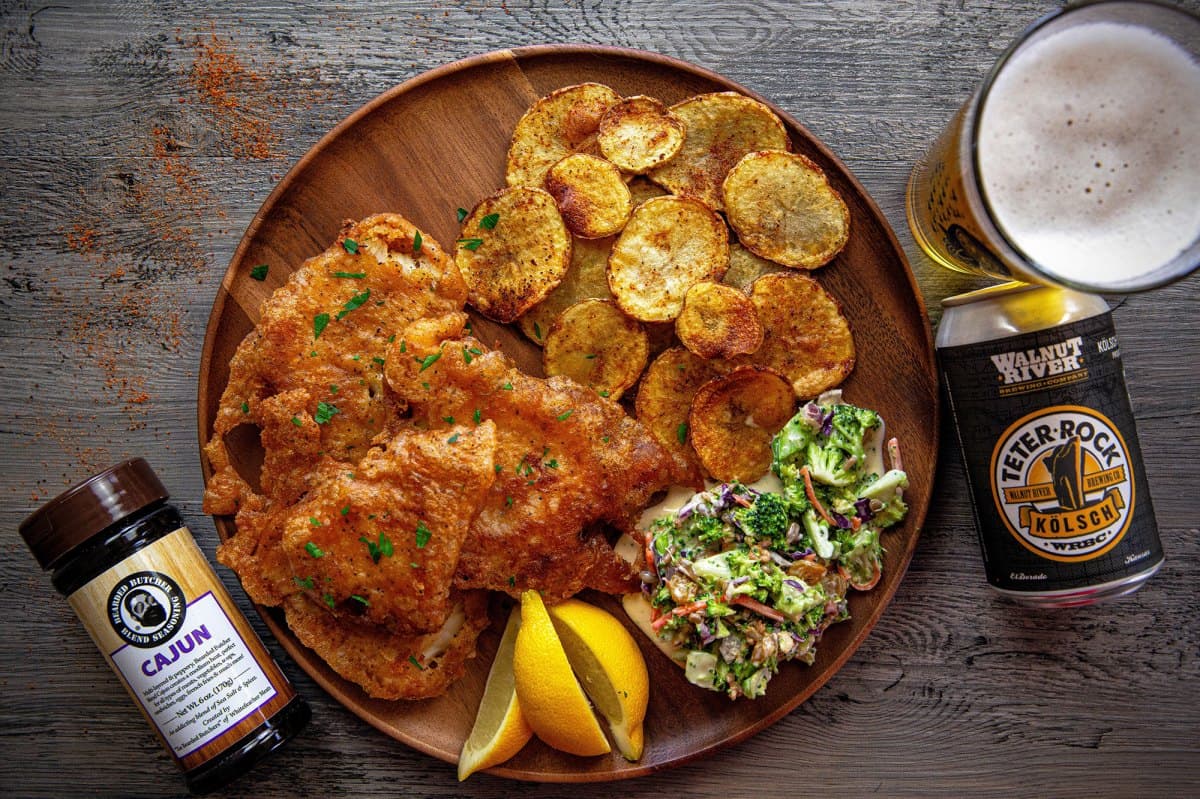
How to Fry Wild Fish: Our Guide to the Ultimate Fish Fry
Why It Matters
A well‑executed fish fry boosts home‑cooking confidence and drives demand for specialty oils, equipment, and craft‑beer batters, influencing both retail and restaurant sectors. Understanding the technical nuances helps businesses target a growing market of outdoor‑cooking enthusiasts.
Key Takeaways
- •Sunflower oil is preferred for its high smoke point and neutral flavor
- •Ideal fish fillet thickness is about 1 inch for even cooking
- •Deep fryers maintain 375‑400°F, reducing oil splash risk versus skillet
- •Light beers like Kolsch work best for mild whitefish batters
Pulse Analysis
The resurgence of backyard gatherings after the pandemic has reignited interest in classic communal meals, and the fish fry tops the list for anglers and outdoor enthusiasts. While the tradition dates back to church basements and fishing camps, today’s consumers seek a blend of authenticity and convenience, driving sales of portable deep fryers, high‑smoke‑point oils, and craft‑beer batter mixes. Retailers that stock these niche products can capture a slice of the expanding home‑cooking market, especially as more families experiment with wild‑caught catches.
Technical precision separates a soggy mess from a golden, flaky masterpiece. The guide stresses maintaining oil temperatures between 375 and 400 degrees Fahrenheit—a range best achieved with an electric or propane deep fryer that auto‑regulates heat. Sunflower, canola, or blended oils with high smoke points prevent burnt flavors, while a 1‑inch fillet thickness ensures the interior cooks without over‑browning the crust. Choosing the right coating—light‑bodied Kolsch beer for delicate whitefish or a robust flour‑cornstarch blend for stronger species—adds texture without overwhelming the fish’s natural taste.
For businesses, these insights translate into actionable opportunities. Restaurants can differentiate menus with region‑specific batters, such as using local craft brews for a signature fish‑and‑chips dish, while equipment manufacturers can market compact, temperature‑controlled fryers to the DIY crowd. Additionally, specialty oil producers and spice brands stand to benefit from recipe-driven demand, especially when paired with digital content that educates consumers on best practices. By aligning product offerings with the nuanced preferences highlighted in the guide, companies can tap into a lucrative niche that blends culinary tradition with modern convenience.
How to Fry Wild Fish: Our Guide to the Ultimate Fish Fry
Comments
Want to join the conversation?
Loading comments...