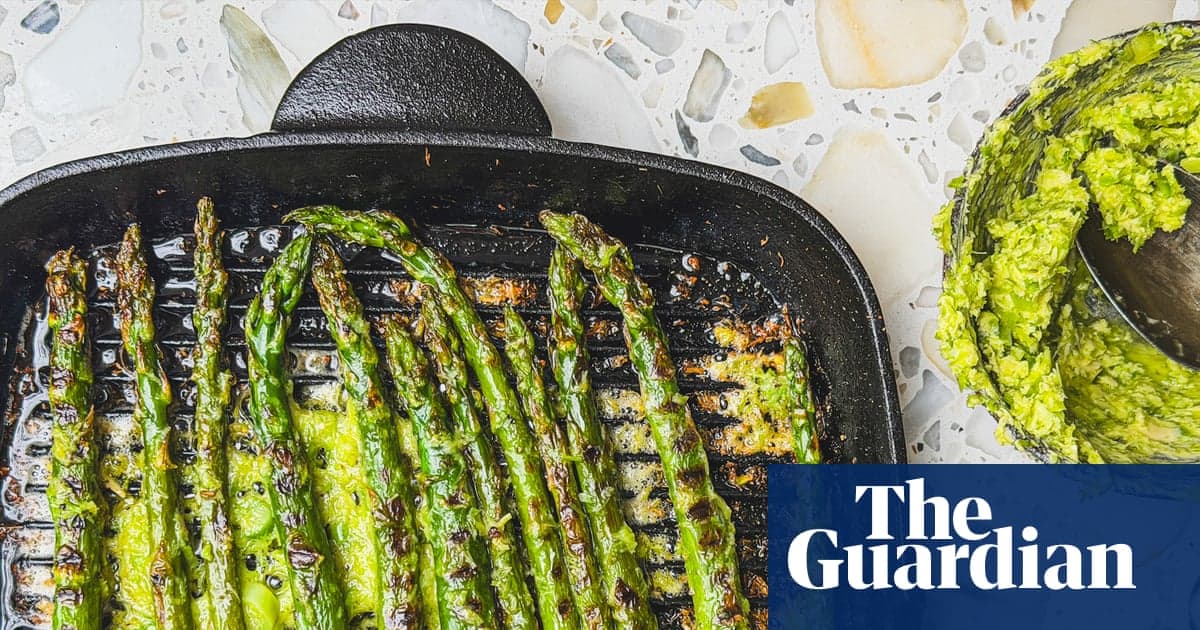
How to Save Asparagus Trimmings From the Food-Waste Bin – Recipe | Waste Not
Why It Matters
Upcycling asparagus ends reduces food‑waste and adds culinary value, aligning with sustainability goals for both home cooks and food‑service operators.
Key Takeaways
- •Asparagus‑butt butter transforms tough ends into flavorful compound butter
- •Chop ends <5 mm, blanch 90‑120 seconds, shock in ice water
- •Blend blanched ends with equal‑weight butter for smooth green puree
- •Store in fridge up to two days or freeze three months
- •Repurposes food‑waste, adds value to home cooking and restaurants
Pulse Analysis
Food waste remains a pressing issue, with the United Nations estimating that roughly one‑third of all edible produce ends up in the trash. In the United States alone, households discard an estimated 30 million tons of food each year, a sizable portion of which consists of vegetable trimmings. Asparagus, a popular spring staple, generates a notable amount of fibrous stem ends that are typically tossed. By converting these by‑products into a usable ingredient, the asparagus‑butt butter recipe directly tackles this inefficiency, turning a discarded component into a flavor‑intensifying asset.
The technique hinges on precision and timing. After washing, the thick ends are sliced into discs thinner than 5 mm, then blanched for 90‑120 seconds to soften the fibers while preserving their bright green hue. An ice‑water shock halts cooking, preserving texture and color. The cooled pieces are then pureed with an equal weight of butter, creating a smooth, herb‑infused spread that caramelises when heated. This butter can elevate grilled asparagus, enrich scrambled eggs, or serve as a gourmet spread for toast and gnocchi. Its shelf‑life—two days refrigerated or three months frozen—makes it practical for batch preparation in both home kitchens and professional settings.
Beyond the kitchen, the recipe reflects a broader shift toward circular food systems. Restaurants and food manufacturers are increasingly seeking ways to monetize waste streams, from vegetable pulp to coffee grounds, to meet consumer demand for sustainable practices. Commercializing a product like asparagus‑butt butter could open niche markets for upcycled condiments, reducing raw material costs while enhancing brand reputation. For consumers, the recipe offers an accessible entry point to sustainable cooking, reinforcing the idea that waste reduction can be both delicious and economically sensible.
How to save asparagus trimmings from the food-waste bin – recipe | Waste not
Comments
Want to join the conversation?
Loading comments...