Why It Matters
Accurate labeling protects consumers from overpaying for inferior beef and preserves the premium reputation of true Wagyu, influencing restaurant credibility and market pricing dynamics.
Key Takeaways
- •Real Wagyu tops $200 per pound; A5 grade only from Japan
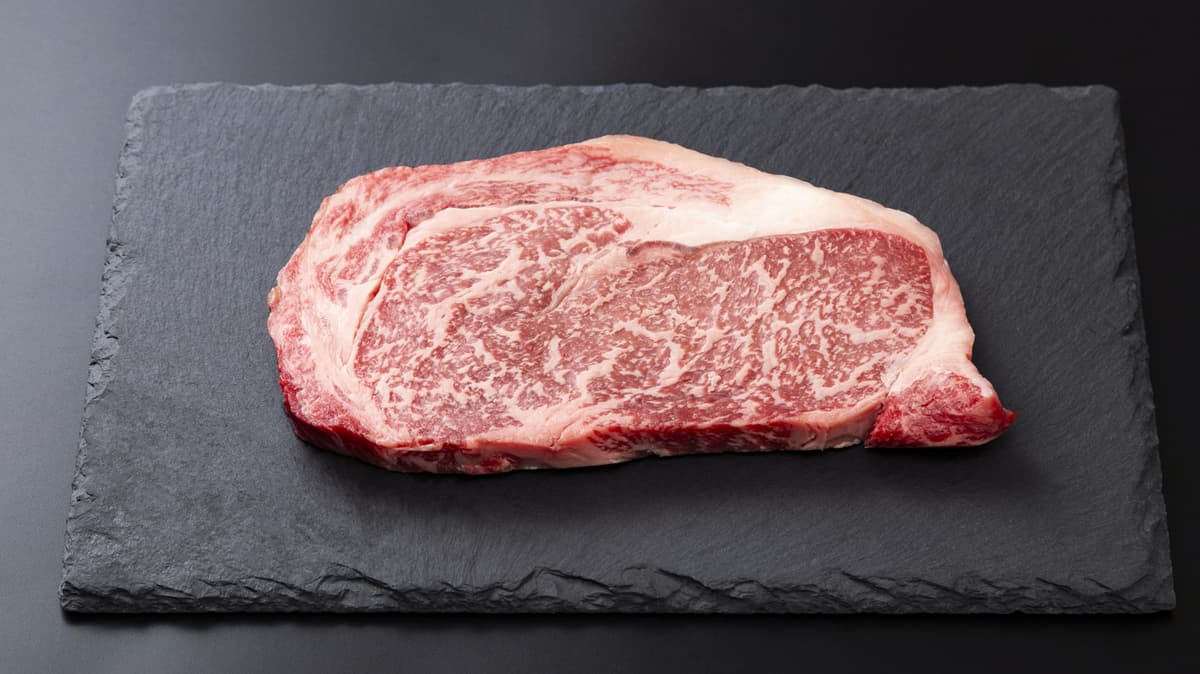
- •Thin white marbling and pink color signal authentic Wagyu
- •Ask for grade, origin, and 10‑digit certification to verify
- •U.S. retailers may label cross‑bred beef as Wagyu
- •Kobe beef requires licensed venue and documented provenance
Pulse Analysis
The global appetite for Wagyu has surged, turning the Japanese breed into a status symbol for high‑end dining. Its hallmark—intense intramuscular fat—drives a price premium that can exceed $200 per pound, positioning Wagyu alongside luxury goods rather than ordinary protein. This market enthusiasm, however, has outpaced regulatory oversight in the United States, where the term “Wagyu” is not strictly defined. As a result, many establishments sell cross‑bred or Angus‑derived beef under the coveted label, creating a credibility gap that confuses diners and erodes brand equity for authentic producers.
To cut through the hype, consumers should rely on three practical verification steps. First, price is a strong indicator: genuine A5‑grade Wagyu rarely falls below $200 per pound, and a 5‑ounce steak will cost over $100. Second, visual inspection of raw meat reveals thin, white marbling and a brighter pink flesh compared with the darker hue of conventional beef. Third, demand documentation—grade reports, farm names, and especially the 10‑digit identification numbers required for Kobe and top‑tier A5 Wagyu. These identifiers are traceable to Japanese farms and are mandatory for licensed U.S. restaurants serving true Kobe, offering a reliable audit trail.
The broader implication for the foodservice industry is clear: transparency will become a competitive differentiator. Restaurants that can substantiate their Wagyu claims with verifiable certificates will attract discerning diners and command premium margins, while those that rely on vague labeling risk reputational damage and potential legal scrutiny. As consumer awareness grows, industry groups may push for stricter labeling standards, mirroring regulations seen in the wine and cheese sectors. Until such measures take hold, savvy shoppers must remain vigilant, using price cues, visual markers, and provenance questions to ensure they receive the authentic Wagyu experience they expect.
How To Spot Fake Wagyu Beef A Mile Away
Comments
Want to join the conversation?
Loading comments...