Hydroponic Salads Make Their Debut in German Supermarkets
•March 9, 2026
0
Why It Matters
Hydroponic lettuce reduces carbon emissions and food waste while extending shelf life, giving German retailers a competitive sustainability edge.
Key Takeaways
- •Rewe launches hydroponic lettuce via Endless Summer project.
- •Hydroponic system extends lettuce freshness by up to seven days.
- •Four hectares geothermal greenhouses cut CO2 by 3,000 tons.
- •Penny plans to adopt same hydroponic model shortly.
- •Hydroponics reduces water use and eliminates soil dependency.
Pulse Analysis
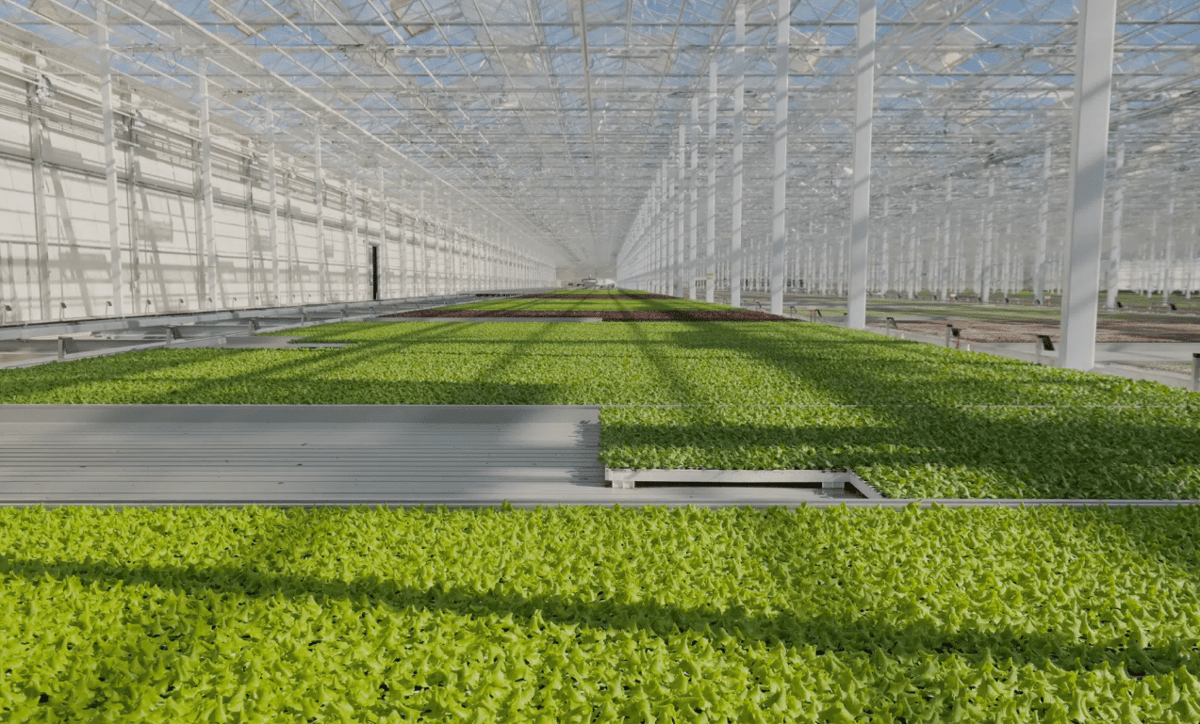
Germany’s retail landscape is witnessing a quiet revolution as Rewe rolls out hydroponically grown lettuce under the “Endless Summer” brand. After four years of R&D, the supermarket giant will source leaf lettuce cultivated in water‑based systems housed within four hectares of greenhouses in Upper Bavaria. The move aligns with a growing consumer appetite for locally produced, pesticide‑free produce and reflects Rewe’s ambition to differentiate its fresh‑food offering. By bypassing traditional soil farms, the retailer can control quality from seed to shelf, reducing transit times and spoilage.
The hydroponic facilities draw on geothermal heat, a renewable energy source that stabilises temperature year‑round and slashes the carbon footprint of indoor farming. Rewe estimates the operation will cut roughly 3,000 tonnes of CO₂ each year, a tangible contribution toward Germany’s climate targets. Moreover, the water‑recirculation system uses up to 90 % less water than conventional field cultivation, while the soil‑free environment eliminates the need for herbicides. The technology also extends lettuce shelf life by up to seven days, giving retailers a logistical edge and reducing food waste.
Penny’s decision to follow Rewe signals that hydroponic produce could become a mainstream category across German discounters. As supply chains tighten and climate regulations tighten, retailers are incentivised to invest in controlled‑environment agriculture that guarantees year‑round availability and lower emissions. The model also opens opportunities for regional growers to scale up without acquiring large tracts of arable land, potentially reshaping the country’s vegetable market. If consumer acceptance remains strong, hydroponic greens may soon appear on more shelves, prompting other European chains to explore similar sustainable farming partnerships.
Hydroponic salads make their debut in German supermarkets
0
Comments
Want to join the conversation?
Loading comments...