I Discovered This "Cloud" Coffee in Vietnam and Now It’s My Afternoon Ritual
Why It Matters
Egg coffee illustrates how a wartime improvisation became a cultural icon, driving tourism and specialty‑coffee demand both in Vietnam and abroad. Its growing popularity offers coffee retailers a differentiated product that blends heritage with novelty.
Key Takeaways
- •Egg coffee invented 1946 by Nguyen Van Giang in Hanoi
- •Robusta beans brewed with phin filter deliver rich flavor
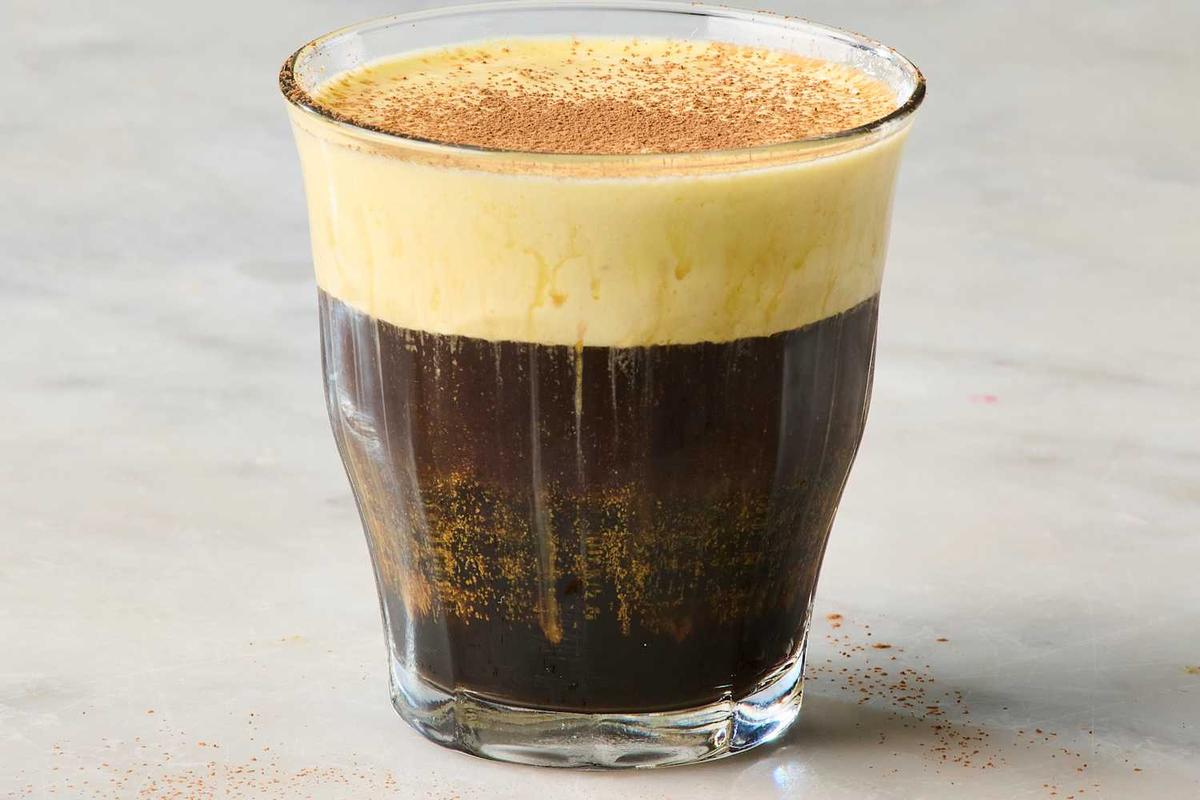
- •Whipped egg yolk, sugar, condensed milk create cloud‑like foam
- •Café Giảng still serves original egg coffee in Hanoi
- •Modern twists include iced versions and flavored foam variations
Pulse Analysis
The story of Vietnamese egg coffee begins in post‑World War II Hanoi, when dairy shortages forced bartender Nguyen Van Giang to experiment with egg yolks, sugar and condensed milk. By whisking these ingredients into a frothy topping for strong robusta brewed through a phin filter, he created a dessert‑like beverage that quickly became a staple at his Café Giảng. The drink’s origins reflect Vietnam’s colonial history, resourcefulness, and the country’s deep‑rooted coffee culture, making it a compelling narrative for food historians and travelers alike.
Beyond its historic charm, egg coffee offers a surprisingly accessible home‑brew experience. The core ingredients—robusta grounds, a phin filter or French press, an egg yolk, sugar and condensed milk—are inexpensive and widely available. Simple technique adjustments, such as using a stand mixer for the foam or swapping cocoa dusting for cinnamon, allow enthusiasts to personalize the flavor profile. Iced variations have also emerged, catering to warmer climates and modern palate trends, while still preserving the signature cloud‑like texture that defines the drink.
In recent years, egg coffee has migrated from Hanoi’s street cafés to specialty coffee menus across the United States, fueling a niche but growing market segment. Cafés leverage its exotic backstory to attract curious consumers, often pairing it with Vietnamese pastries or promoting it as an Instagram‑ready experience. This cross‑cultural appeal not only boosts revenue for establishments willing to invest in proper equipment and training but also strengthens Vietnam’s culinary tourism brand, encouraging travelers to seek authentic coffee experiences during their visits.
I Discovered This "Cloud" Coffee in Vietnam and Now It’s My Afternoon Ritual
Comments
Want to join the conversation?
Loading comments...