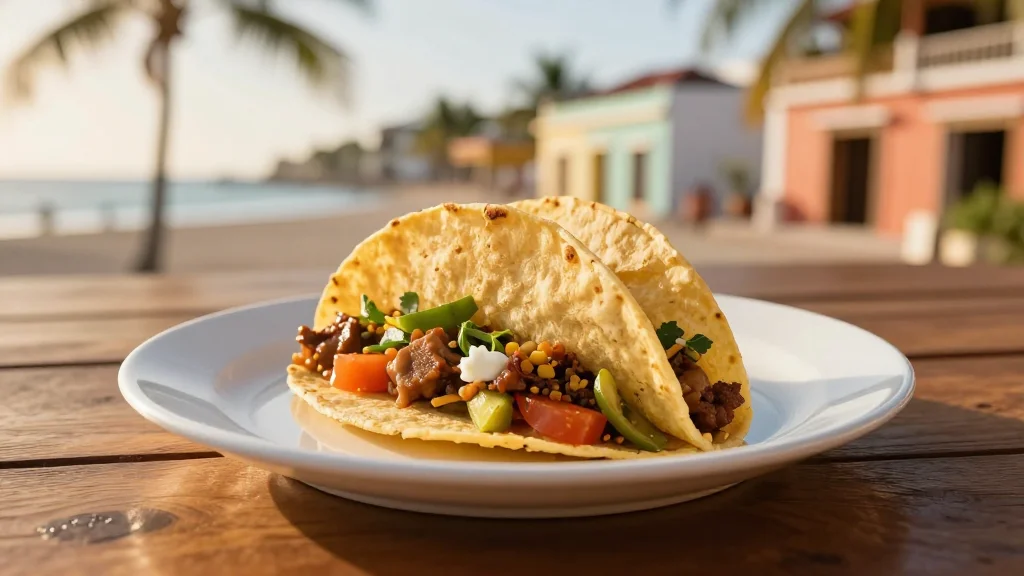
Icú and Pancho’s Takos Gain Michelin Guide Recognition, Boosting Puerto Vallarta

Companies Mentioned
Why It Matters
The Michelin recognition validates Puerto Vallarta’s culinary evolution, signaling to international travelers that the city offers more than beach tourism—it delivers world‑class food experiences. This acknowledgment also reinforces Mexico’s broader strategy to diversify its gastronomic appeal beyond traditional hubs, encouraging regional chefs to innovate while preserving local flavors. For the local economy, the boost in culinary tourism can translate into higher occupancy rates for hotels, increased spending at ancillary businesses, and greater employment opportunities within the hospitality sector. As more establishments vie for Michelin evaluation, the competitive pressure may raise overall quality standards across the state.
Key Takeaways
- •Icú and Pancho’s Takos added to the 2026 MICHELIN Guide Mexico’s Selected category
- •Michelin Guide expanded into Jalisco, Puebla and Yucatán in 2026
- •Guadalajara ceremony on May 20 announced 29 starred restaurants nationwide
- •Recognition highlights both upscale contemporary cuisine and authentic street tacos
- •Potential tourism boost and increased investment in Puerto Vallarta’s restaurant scene
Pulse Analysis
Michelin’s deliberate move into Jalisco reflects a strategic pivot toward regional authenticity, a trend that mirrors the guide’s recent global shifts. By rewarding establishments like Pancho’s Takos, the guide acknowledges that culinary excellence can thrive in informal settings, challenging the traditional notion that only fine‑dining venues merit elite accolades. This approach not only democratizes prestige but also aligns with travelers’ growing appetite for genuine, place‑based experiences.
Historically, Mexican gastronomy has been anchored by a handful of cities—Mexico City, Oaxaca, and Puebla—where Michelin stars have clustered. The inclusion of Puerto Vallarta signals a diffusion of culinary capital, likely prompting investors to fund new concepts that blend local ingredients with innovative techniques. Over the next two to three years, we can expect a ripple effect: emerging chefs will seek Michelin validation, and existing venues may upscale their operations to chase a star, intensifying competition and raising the overall quality bar.
From a market perspective, the Michelin endorsement serves as a powerful marketing tool, especially for a destination that already enjoys strong brand recognition for its beaches. Restaurants can leverage the badge to attract high‑spending tourists, while the city’s tourism board can integrate the culinary narrative into broader promotional campaigns. If the momentum sustains, Puerto Vallarta could evolve into a dual‑draw destination—both sun and food—thereby diversifying its revenue streams and enhancing resilience against seasonal fluctuations.
Icú and Pancho’s Takos Gain Michelin Guide Recognition, Boosting Puerto Vallarta
Comments
Want to join the conversation?
Loading comments...