If You Drink Your Coffee Like This In Italy, Locals Will Know You're A Tourist
Why It Matters
Understanding Italy’s coffee etiquette helps travelers avoid cultural faux pas and supports cafés that rely on traditional bar service, preserving a key element of the nation’s social fabric.
Key Takeaways
- •Order cappuccino only before 11 a.m. to blend in
- •Ask for caffè americano if you prefer drip‑style coffee
- •Never order a latte; Italians will serve plain milk
- •Drink standing at the bar; seated service costs more
- •Try caffè shakerato for a sweet, iced espresso alternative
Pulse Analysis
Italy’s coffee bars are more than vending points; they are communal stages where locals exchange news, conduct business, and pause their day. The ritual of standing at the counter keeps turnover high and prices low, a stark contrast to the seated, often pricier, coffee shop model common in the United States. This fast‑paced bar culture reflects a broader Italian preference for efficiency in daily rituals, allowing patrons to enjoy a high‑quality espresso without lingering over a table.
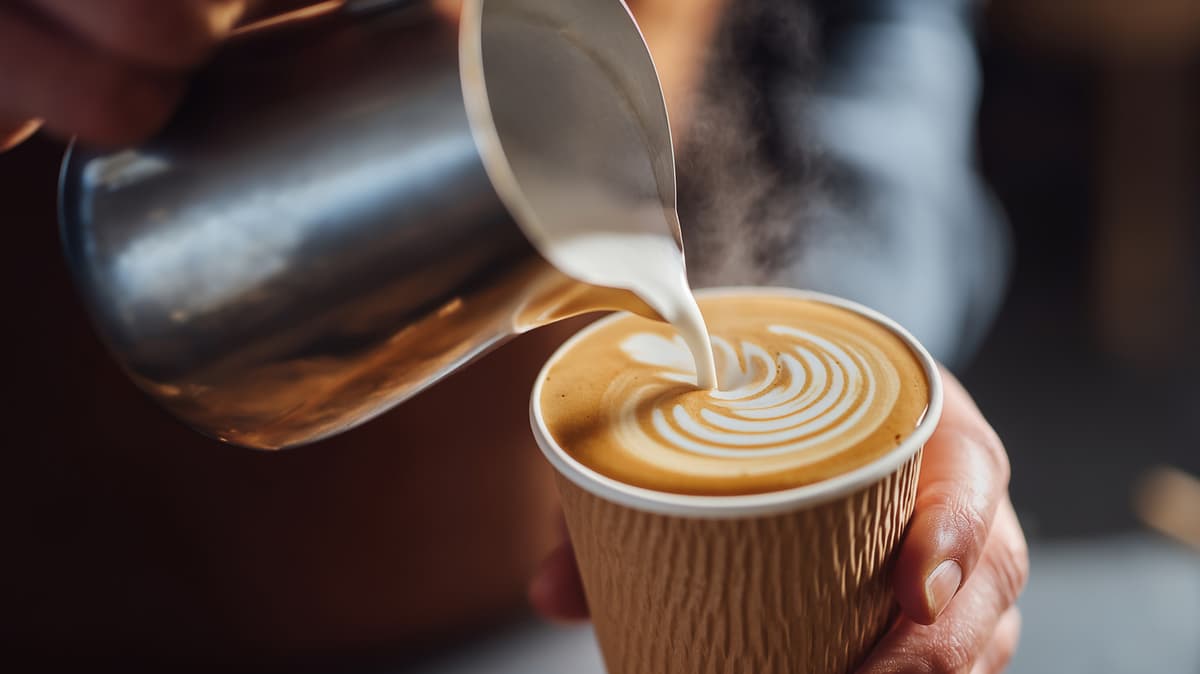
The ordering script is equally precise. A cappuccino, with its frothy milk, is considered a breakfast beverage and is socially discouraged after 11 a.m., as Italians believe the milk hinders digestion later in the day. The word *latte* translates to "milk," so a request for a latte will be met with a plain glass of milk, not the popular café‑latte found abroad. For travelers craving a milder brew, a caffè americano—espresso diluted with hot water—mirrors drip coffee, while a caffè shakerato offers a sweet, iced espresso shaken to a frothy finish, often flavored with vanilla.
For the tourism industry, these nuances represent both a challenge and an opportunity. Guides and hospitality staff who educate visitors on proper coffee etiquette enhance the authentic experience, encouraging repeat visits and positive word‑of‑mouth. Meanwhile, cafés that maintain traditional service can differentiate themselves from global chains, preserving a cultural asset that fuels social interaction and local economies. Mastering Italy’s coffee customs, therefore, is not just about taste—it’s a gateway to deeper cultural immersion and smoother business interactions.
If You Drink Your Coffee Like This In Italy, Locals Will Know You're A Tourist
Comments
Want to join the conversation?
Loading comments...