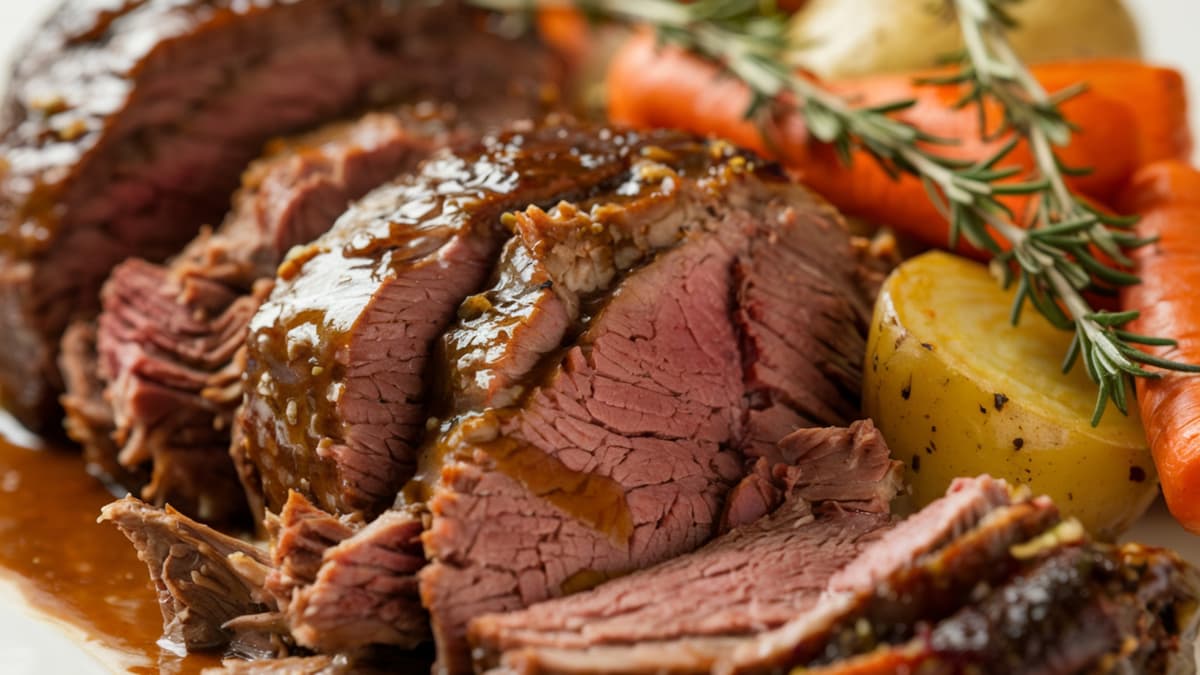
If Your Pot Roast Isn't Turning Out Tender, You're Not Cooking It Long Enough
Why It Matters
Correct timing and temperature ensure a juicy, flavorful roast, boosting home‑cooking confidence and reducing waste; mastering these basics translates to better results across a range of slow‑cooked dishes.
Key Takeaways
- •2‑2.5 lb roast needs 2‑2.5 hrs low‑and‑slow
- •3‑4 lb roast requires 3‑4 hrs cooking time
- •Oven should be calibrated; 300 °F ±10 °F is ideal
- •Searing adds flavor but not tenderness
- •Cut into roast to test tenderness before ending cook
Pulse Analysis
Pot roast remains a staple of comfort cooking, yet many home chefs struggle with texture. The science behind a melt‑in‑your‑mouth roast lies in collagen-rich cuts like chuck, bottom round, or brisket. When these muscles are cooked at a gentle 300 °F for a duration proportional to their weight, the connective tissue gelatinizes, turning tough fibers into silky moisture. This low‑and‑slow method also allows fat to render evenly, preventing the dry, stringy results that often plague rushed preparations.
Temperature accuracy is equally critical. Household ovens can drift several degrees, which translates to under‑ or over‑cooking a multi‑hour roast. An inexpensive oven thermometer lets cooks verify the actual heat and make small adjustments—raising a 290 °F reading to 310 °F, for example—to stay within the optimal range. While searing creates a desirable Maillard crust, it does not accelerate collagen breakdown; its primary benefit is flavor depth. Understanding this distinction helps cooks allocate time wisely, focusing on prolonged heat rather than a quick sear for tenderness.
For the broader culinary market, these insights reinforce the value of simple, cost‑effective techniques. By selecting affordable cuts and mastering temperature control, home cooks can achieve restaurant‑quality results without premium ingredients. This knowledge also informs product development for kitchen gadgets, such as smart thermometers and programmable slow‑cookers, which can automate the precise timing and temperature profiles needed for perfect pot roasts. Ultimately, mastering low‑and‑slow cooking empowers consumers to reduce food waste, enhance meal satisfaction, and elevate everyday cooking confidence.
If Your Pot Roast Isn't Turning Out Tender, You're Not Cooking It Long Enough
Comments
Want to join the conversation?
Loading comments...