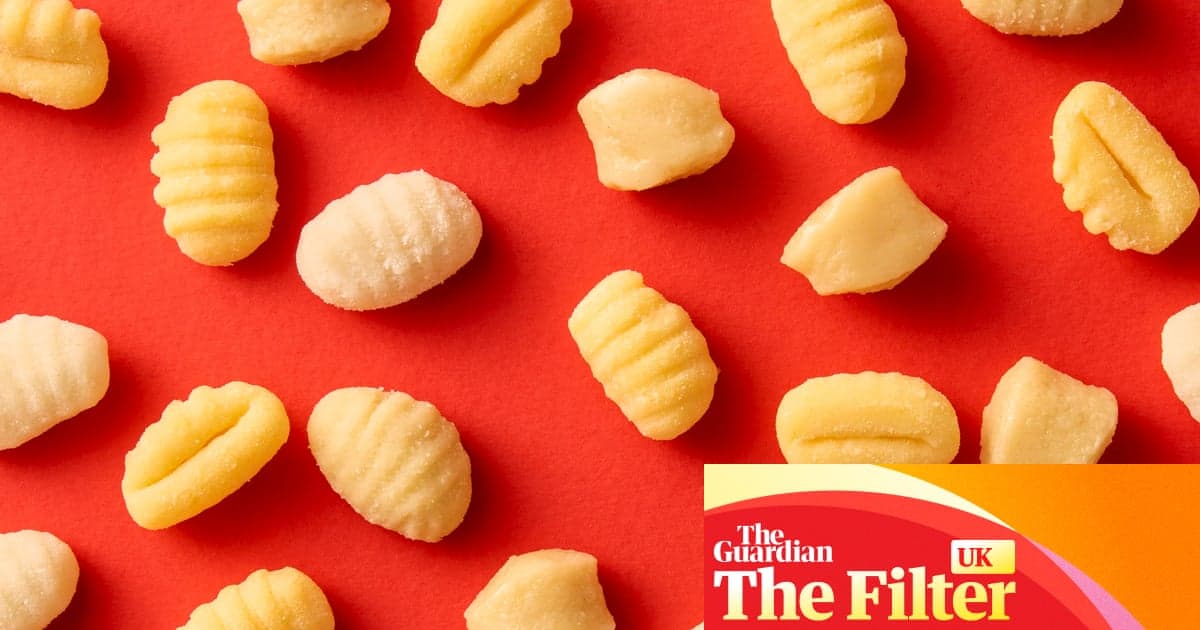
‘I’m Going to Be Very Cautious About Buying Gnocchi From Now on’: The Best (and Worst) Supermarket Gnocchi, Tasted and Rated
•March 7, 2026
0
Why It Matters
The prevalence of heavily processed gnocchi undermines consumer expectations for authentic, nutritious convenience foods and highlights sustainability shortcomings in packaging. Brands that address these issues can capture premium market share as shoppers prioritize clean labels and eco‑friendly options.
Key Takeaways
- •80% use dried potato flakes, not real potatoes
- •Emulsifiers and stabilizers dominate ingredient lists
- •Most packaging non‑recyclable, raising sustainability concerns
- •Manufacturers recommend longer boil times than traditional floating method
- •Quality gap suggests opportunity for premium, clean‑label gnocchi
Pulse Analysis
Gnocchi have moved from Italian home kitchens to the shelves of UK supermarkets, riding a broader trend toward convenient, ready‑to‑cook meals. Shoppers expect these pillow‑soft dumplings to deliver authentic taste and simple preparation, yet the latest Guardian tasting shows a disconnect between expectation and reality. The dominance of reconstituted potato flakes and industrial additives reflects cost‑driven formulations that prioritize shelf‑life over flavor, positioning gnocchi alongside other processed staples that blur the line between fresh and factory‑made foods.
The ingredient analysis raises health and culinary concerns. Emulsifiers such as mono‑ and diglycerides, diphosphate stabilisers, and sodium metabisulphate preservatives dominate the label, while genuine potato content is minimal. This composition not only alters texture—producing a synthetic, bouncy bite—but also challenges traditional cooking cues. Classic Italian technique advises cooking gnocchi until they float, a sign of proper hydration; many supermarket brands instead prescribe a fixed two‑ to three‑minute boil, suggesting the product may never achieve the same texture or flavor development. For health‑conscious consumers, the hidden additives and extended cooking times may diminish the perceived convenience benefit.
Sustainability adds another layer of urgency. Most of the tested gnocchi are packaged in non‑recyclable trays, contributing to plastic waste at a time when retailers are under pressure to adopt circular packaging solutions. The combination of low‑quality ingredients and environmentally unfriendly packaging creates a market gap ripe for premium, clean‑label alternatives. Brands that reformulate with real potatoes, reduce preservatives, and shift to recyclable or compostable containers can differentiate themselves, appeal to eco‑aware shoppers, and potentially command higher price points. As consumers become more discerning, the gnocchi aisle may evolve from a price‑driven category to a showcase for quality and sustainability.
‘I’m going to be very cautious about buying gnocchi from now on’: the best (and worst) supermarket gnocchi, tasted and rated
0
Comments
Want to join the conversation?
Loading comments...