Why It Matters
The opening showcases how a heritage‑driven hospitality concept can scale globally while preserving local character, a model other upscale chains are watching closely.
Key Takeaways
- •Sant Ambroeus expands to Paris, adding ninth international location
- •Design blends historic Art Nouveau with modern Italian aesthetic
- •Hospitality ethos emphasizes timeless table availability for all generations
- •Paris venue conserves original architecture, avoiding full renovation
- •Signature dishes and cocktails reinforce brand’s Italian culinary identity
Pulse Analysis
Sant Ambroeus’s Paris debut illustrates a broader trend of legacy brands leveraging heritage storytelling to differentiate in crowded urban markets. By framing the restaurant as a timeless gathering place—"a members’ club without the membership"—the chain taps into consumer desire for continuity amid rapid lifestyle shifts. The strategy goes beyond menu curation; it embeds a promise of perpetual availability, appealing to families who transition from gelato outings to wine evenings, and eventually to multigenerational meals. This hospitality‑first narrative strengthens brand loyalty and creates a defensible niche against fleeting pop‑up concepts.
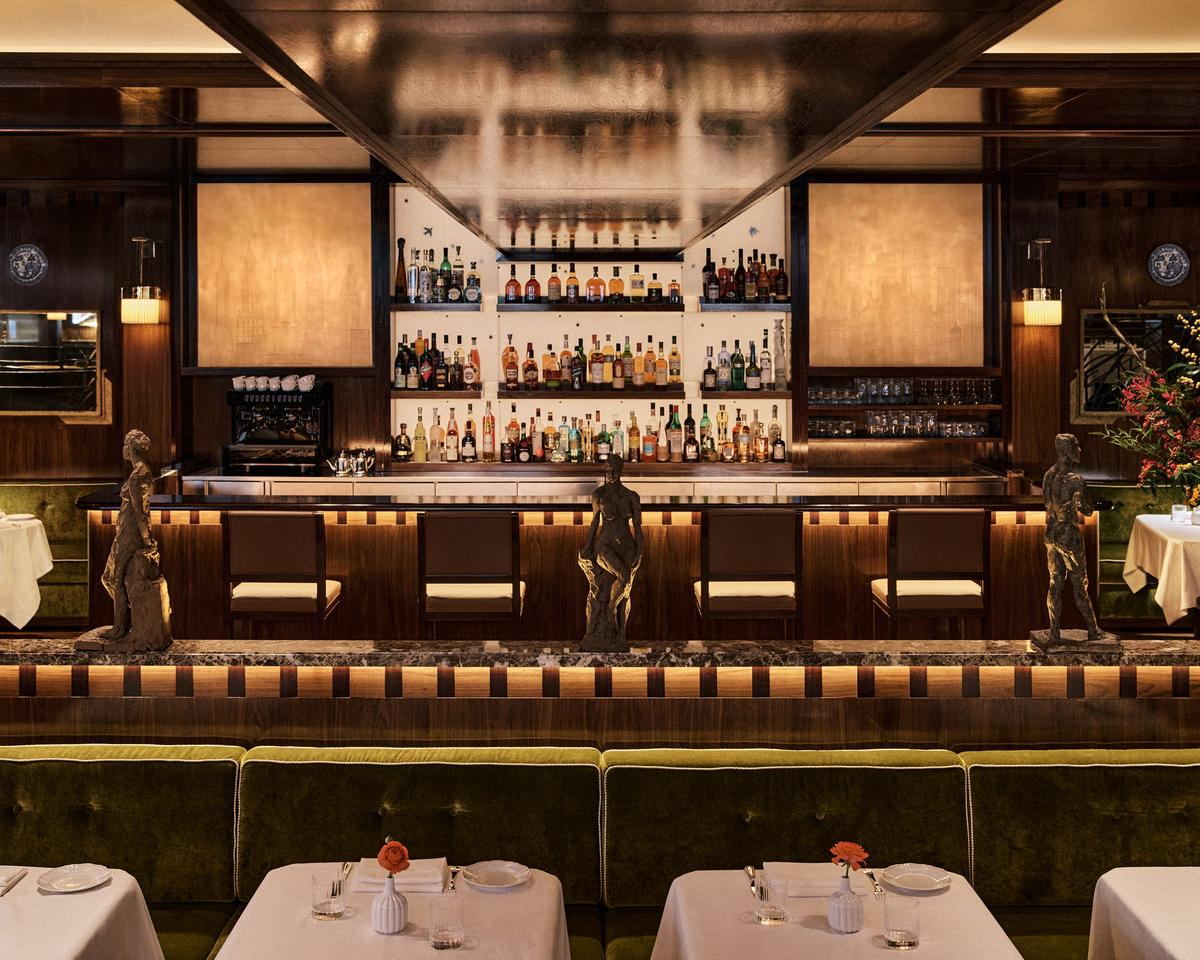
Architecturally, the Paris outpost demonstrates how Sant Ambroeus balances brand consistency with site‑specific authenticity. Retaining the building’s Art Nouveau door and historic woodwork preserves the neighborhood’s cultural fabric while the interior’s polished wood, textured upholstery, and signature rosy pink accents signal the chain’s visual DNA. Designers Fabrizio Casiraghi and Niroomand avoided a wholesale remodel, opting instead for subtle interventions that make the space feel both theatrical and intimate. This approach mirrors the brand’s global portfolio, where each location—whether in Palm Beach’s jasper‑columned lounge or Aspen’s marble‑and‑stone blend—offers a unique experience without diluting the core aesthetic.
From a market perspective, Sant Ambroeus’s measured expansion underscores the viability of upscale, experience‑driven dining in post‑pandemic recovery. The emphasis on reliable seating and a curated ambiance resonates with affluent diners seeking both exclusivity and predictability. Competitors may attempt to replicate the model, but the brand’s disciplined design language and intergenerational hospitality promise provide a competitive moat. As the chain continues to open in culturally rich districts, its ability to adapt while maintaining a cohesive identity will likely influence how luxury hospitality brands navigate growth in heterogeneous global markets.
Inside the Cult of Sant Ambroeus
0
Comments
Want to join the conversation?
Loading comments...