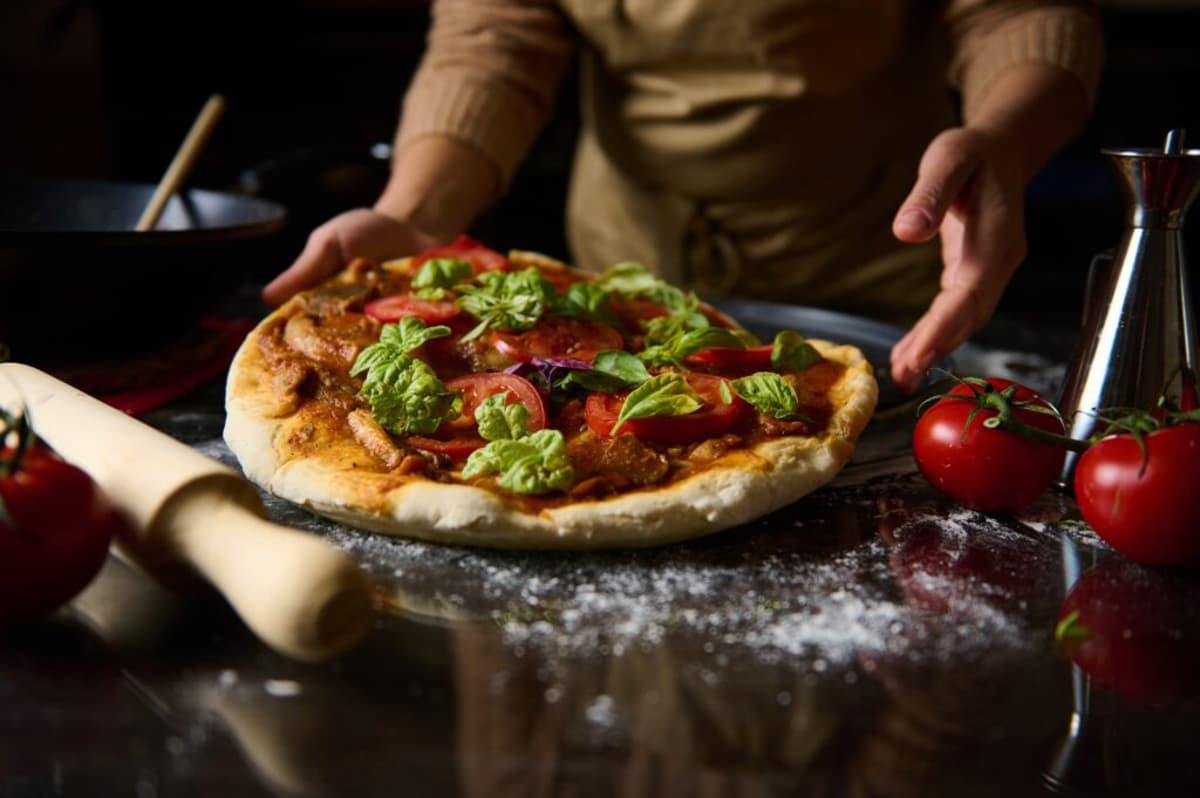
Italian Cuisine Becomes World’s First to Be Awarded UNESCO Status
Why It Matters
UNESCO’s endorsement elevates Italy’s culinary brand, providing a legal and promotional tool to combat food fraud and boost the nation’s export‑driven agri‑food economy. It signals to global markets that Italian food is a protected cultural asset, enhancing consumer trust and regional economic growth.
Key Takeaways
- •UNESCO names Italian cuisine as first intangible cultural heritage globally
- •Recognition aims to curb fake Italian food and protect supply chains
- •Italy exports ~€70 bn ($76 bn) agri‑food, boost expected from status
- •Heritage label highlights sustainability, seasonality, and family‑passed recipes
- •New status may create jobs and strengthen regional economies
Pulse Analysis
The UNESCO intangible cultural heritage label marks a historic milestone for Italy, positioning its cuisine alongside landmarks like the Great Barrier Reef and intangible practices such as Icelandic pool swimming. While the designation celebrates centuries‑old culinary traditions, it also serves a pragmatic purpose: safeguarding a $76 billion export engine from counterfeit goods. By codifying the methods of growing, harvesting, preparing, and serving food, Italy gains a powerful framework to challenge misleading labels, from pre‑packaged carbonara sauces to adulterated olive oil, in courts and trade negotiations.
Beyond protection, the heritage status is a catalyst for economic development. Italy already leads Europe in agricultural value‑added output, and the UNESCO badge is expected to amplify demand for authentic regional products, from Parmigiano‑Reggiano to San Marzano tomatoes. This heightened visibility can attract premium pricing, stimulate tourism focused on food experiences, and encourage investment in sustainable farming practices that align with the UNESCO criteria of seasonality and waste reduction. For small producers, the label offers a marketing edge that can translate into new export contracts and job creation in rural areas.
Strategically, the move reinforces Italy’s broader cultural diplomacy. By framing cuisine as a living, protectable heritage, the government leverages soft power to shape global perceptions of “Made in Italy.” The designation also dovetails with EU initiatives to combat food fraud, providing a unified front against illicit supply chains. As other nations eye similar recognitions, Italy’s pioneering status may set a template for how culinary traditions become economic assets, blending heritage preservation with modern market competitiveness.
Italian cuisine becomes world’s first to be awarded UNESCO status
Comments
Want to join the conversation?
Loading comments...