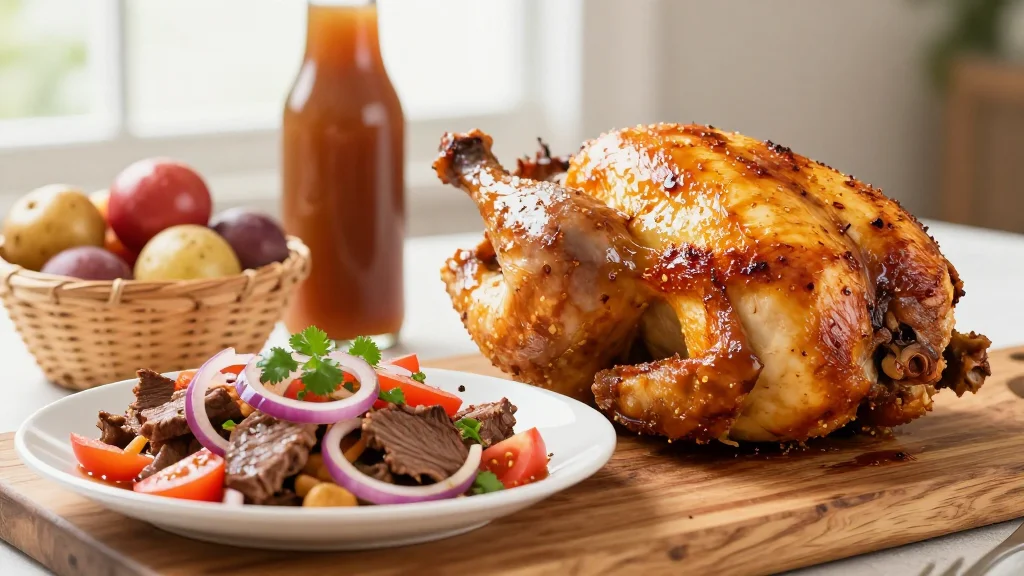
L.A.'s Best Rotisserie Chicken May Be at This Former Gas Station in Pasadena
Why It Matters
Loli Farms illustrates the growing appetite for authentic Peruvian flavors in the Los Angeles market, pushing the city’s culinary landscape toward more diverse, specialty‑driven concepts. Its success signals strong consumer willingness to travel and wait for high‑quality, culturally specific fast‑casual dining experiences.
Key Takeaways
- •Loli Farms produces 48 rotisserie chickens per hour in wood‑burning oven
- •Chicken brined overnight, marinated two days in cumin, garlic, paprika, panca chile
- •Prices range $14‑$45 for pollo a la brasa with sides
- •Menu offers Inca Kola, chicha morada, aji verde & aji amarillo
- •Parking lot often chaotic, reflecting high demand for the restaurant
Pulse Analysis
Loli Farms’ emergence in Pasadena reflects a strategic blend of culinary authenticity and operational efficiency. By installing an imported Italian wood‑burning rotisserie that hits 750 °F, the owners can produce nearly 50 chickens per hour, a scale that rivals traditional pollerías while preserving the smoky, caramelized crust prized in Peru. The meticulous overnight brine and two‑day marination in native spices such as panca chile create a flavor profile that differentiates the offering from the more generic rotisserie options found elsewhere in Southern California.
The restaurant’s popularity underscores a broader surge in Peruvian cuisine across the United States. Dishes like pollo a la brasa, ceviche, and lomo saltado have moved from niche ethnic enclaves into mainstream dining, driven by millennials’ appetite for bold, globally inspired flavors. Loli Farms competes directly with legacy establishments like Pollo a la Brasa, yet it outshines them with a modern, open‑air kitchen, a curated pantry of Peruvian staples, and a menu that pairs the chicken with traditional sides such as yucca frita, chicha morada, and Inca Kola—beverages that have even outsold Coca‑Cola in Peru.
From a business perspective, the chaotic parking scene signals both a challenge and an opportunity. High foot traffic validates demand, but limited on‑site parking could constrain growth unless the brand expands to larger venues or adopts delivery and curb‑side pickup models. As Los Angeles continues to diversify its food scene, Loli Farms serves as a case study in how authentic, culturally rooted concepts can thrive when they marry heritage techniques with scalable operations, potentially inspiring more entrepreneurs to invest in specialty fast‑casual formats.
L.A.'s best rotisserie chicken may be at this former gas station in Pasadena
Comments
Want to join the conversation?
Loading comments...