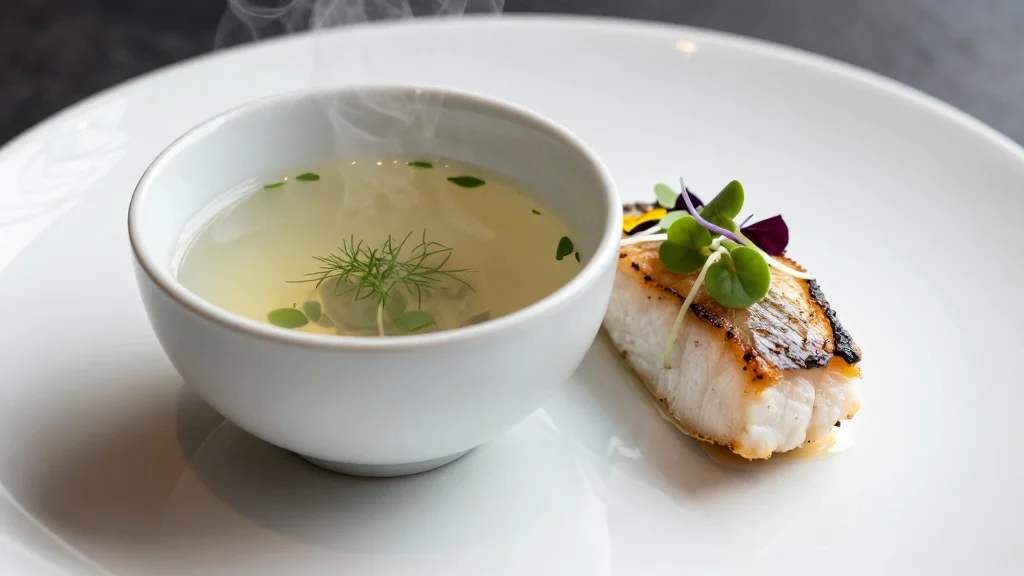
Le Le Launches Progressive Vietnamese Fine Dining in Hong Kong

Companies Mentioned
Why It Matters
Le Le’s launch signals a pivotal moment for Vietnamese cuisine, moving it from casual street fare to the realm of Michelin‑level fine dining. By marrying traditional Saigon flavors with avant‑garde techniques, the restaurant challenges entrenched notions of what constitutes haute cuisine in Hong Kong, a city known for its culinary rigor. The venture also illustrates how millennial restaurateurs are leveraging personal heritage to create differentiated, high‑margin concepts that can compete with established European and Japanese players. If successful, Le Le could pave the way for more upscale Vietnamese concepts across Asia, encouraging investors to fund similar projects and prompting culinary schools to expand training in regional techniques. The restaurant’s emphasis on rare ingredients and long‑age processes may also stimulate local supply chains, benefiting producers of specialty duck, aged vinegars, and artisanal coffee.
Key Takeaways
- •Le Le opened end‑March 2024 on Lyndhurst Terrace, Central Hong Kong
- •Concept branded as “progressive Vietnamese” fine dining
- •Menu highlights 14‑day‑aged duck, pigeon with Chinese master‑stock, and a sauce blending black vinegar, coffee and palm sugar
- •Executive chef Elvin Lam and head chef Le Minh Duc lead the kitchen
- •ZS Hospitality, Chu’s group, already holds five Michelin stars across four Hong Kong restaurants
Pulse Analysis
Le Le arrives at a crossroads where Hong Kong’s dining elite is hungry for novelty yet remains anchored to Michelin benchmarks. Historically, Vietnamese food has been pigeonholed as casual or home‑cooked, rarely venturing onto the city’s most coveted tables. Chu’s decision to label the cuisine “progressive” is a strategic move: it sidesteps the risk of being dismissed as merely “authentic” while still honoring regional diversity. By investing in time‑intensive processes—14‑day duck aging, decade‑old vinegar—the restaurant signals a commitment to craftsmanship that aligns with the expectations of discerning diners.
From a market perspective, Le Le could catalyze a wave of upscale Asian‑regional concepts, prompting investors to re‑evaluate the growth potential of cuisines previously considered niche. The venture also tests the scalability of a model that relies heavily on specialized talent and ingredient sourcing. If Chu can replicate the quality and narrative in other markets, it may unlock a new segment of high‑spending consumers seeking culturally rich, meticulously curated experiences.
However, the restaurant faces headwinds. Hong Kong’s post‑pandemic recovery is uneven, and price‑sensitive locals may gravitate toward more familiar Cantonese or Japanese options. Le Le’s success will hinge on its ability to convert curiosity into loyalty, perhaps through the chef‑talks and tasting events Chu has planned. In the longer term, the concept’s influence will be measured by whether other restaurateurs adopt a similar “progressive” framing for regional cuisines, reshaping the city’s fine‑dining hierarchy.
Le Le Launches Progressive Vietnamese Fine Dining in Hong Kong
Comments
Want to join the conversation?
Loading comments...