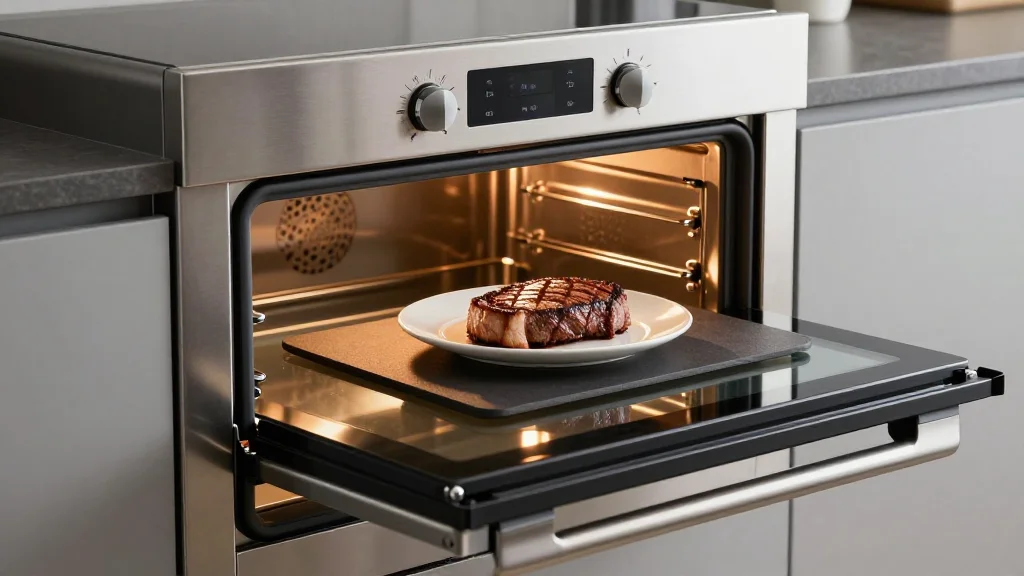
Lessons From The Rise and Fall of Smart Oven Innovator Brava
Companies Mentioned
Why It Matters
Brava’s rise and fall illustrate the high cost of creating a new consumer‑electronics category and the risk of misaligned acquisitions, offering a cautionary tale for hardware startups and investors alike.
Key Takeaways
- •Brava used high‑intensity light to cook, enabling multi‑zone heating.
- •Consumer education costs outweighed sales, hindering mass adoption.
- •Acquisition by Middleby misaligned with Brava’s residential focus.
- •Accessibility features made the oven usable for blind users.
- •New category attempts need clear value beyond existing appliances.
Pulse Analysis
Brava’s core technology—using concentrated light instead of traditional heating elements—represented a genuine breakthrough in countertop cooking. By delivering rapid, zone‑specific heat, the oven could simultaneously roast vegetables while gently baking a dessert, a capability that intrigued early adopters and earned the brand a cult following. This innovation also opened doors for safety and automation features, positioning Brava as a potential catalyst for a broader shift toward smart, energy‑efficient kitchen appliances.
Despite the technical edge, Brava’s biggest obstacle was consumer perception. The device required a fundamental change in cooking habits, and most households already owned ovens and stovetops. To bridge the knowledge gap, Brava poured resources into in‑store demos and even opened a dedicated retail space, yet the cost of these educational efforts outpaced revenue growth. The 2019 acquisition by Middleby, a company focused on commercial equipment, further diluted the brand’s residential focus, leading to strategic dissonance that culminated in the 2026 divestiture and eventual shutdown.
The Brava story offers three key takeaways for hardware entrepreneurs. First, groundbreaking technology must be paired with a clear, quantifiable value proposition that resonates with everyday consumers. Second, category creation demands sustained, scalable education strategies that do not erode margins. Finally, alignment between a startup’s market niche and its acquirer’s core business is critical; mismatched mergers can accelerate decline rather than provide growth capital. As the kitchen tech landscape evolves, these lessons will guide investors and founders aiming to turn innovative concepts into lasting market categories.
Lessons From The Rise and Fall of Smart Oven Innovator Brava
Comments
Want to join the conversation?
Loading comments...