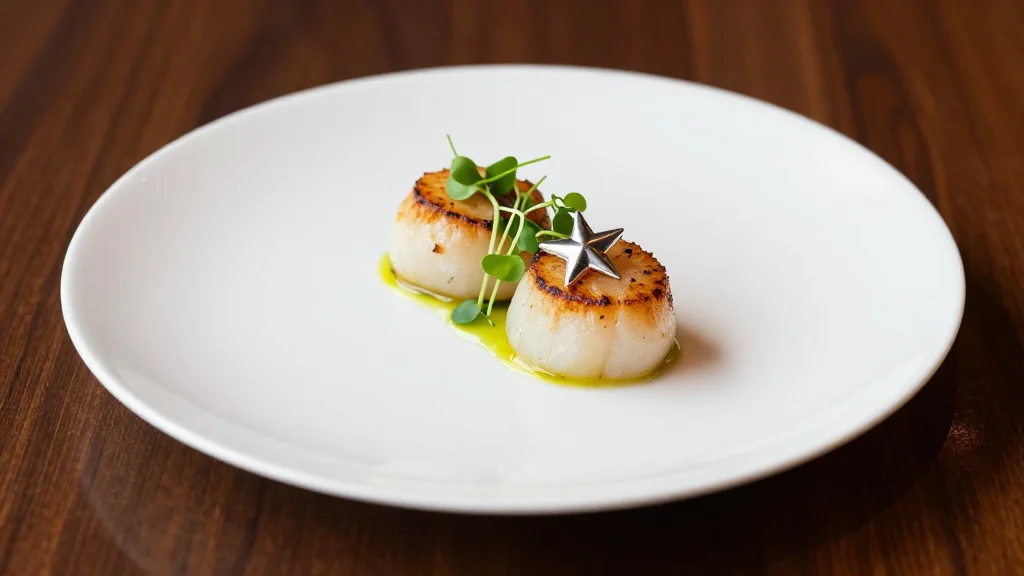
Lithuania’s Michelin Guide Awards Five Stars, Highlighting Baltic Food Boom

Companies Mentioned
Why It Matters
The Michelin star awards elevate Lithuania’s profile on the global food map, positioning the country as a destination for high‑end gastronomy and attracting affluent tourists who spend significantly on dining, accommodation and ancillary services. This visibility also encourages local producers to meet higher quality standards, fostering a virtuous cycle of supply‑chain upgrades and rural economic development. Beyond tourism, the recognition validates the effectiveness of recent government initiatives aimed at modernising the hospitality sector. By showcasing homegrown talent and encouraging culinary entrepreneurship, the guide’s impact extends to job creation, skills training, and the preservation of regional food heritage, all of which contribute to a more resilient and diversified Lithuanian economy.
Key Takeaways
- •Five Lithuanian restaurants—Deep Roots, Red Brick, Demo, Džiaugsmas, Nineteen18—receive Michelin stars in the guide’s third edition.
- •The guide now lists 44 restaurants, up from 37 the previous year.
- •Eight new establishments join the recommended list, expanding the country’s culinary diversity.
- •Minister Edvinas Grikšas credits state investment for the sector’s rapid growth.
- •Young Chef Award goes to Ignės Damanskas (Red Brick); Best Sommelier to Ignatij Semionov (Saint‑Malo).
Pulse Analysis
Lithuania’s surge in Michelin recognition reflects a broader shift in the European fine‑dining landscape, where smaller markets are leveraging niche culinary identities to compete with traditional powerhouses like France and Italy. The five-star awards are not merely symbolic; they serve as a market differentiator that can attract high‑spending tourists, a segment that typically spends 30‑40% more on accommodation and ancillary services than average visitors. This influx can accelerate the professionalisation of the hospitality workforce, prompting culinary schools and apprenticeship programs to expand curricula that align with global standards.
Historically, Michelin’s presence in Eastern Europe has been limited, but the guide’s recent focus on the Baltics signals confidence in the region’s supply‑chain maturity and regulatory environment. Lithuania’s proactive government policies—tax incentives for restaurant investments, grants for culinary innovation, and marketing campaigns targeting food tourists—have created a fertile ecosystem that nurtures both established chefs and emerging talent. The challenge now lies in maintaining consistency; star‑rated venues must sustain quality amidst rising demand, while newer entrants must navigate the pressure of meeting elevated expectations.
Looking ahead, the 2028 edition will test whether today’s momentum translates into a durable culinary brand for Lithuania. If the government continues to back infrastructure and talent pipelines, the country could solidify its status as a premier Baltic food destination, prompting neighboring nations to emulate its model. For investors, the Michelin endorsement offers a clear signal to allocate capital toward upscale dining concepts, boutique hotels, and premium local producers, potentially reshaping the region’s economic geography over the next decade.
Lithuania’s Michelin Guide Awards Five Stars, Highlighting Baltic Food Boom
Comments
Want to join the conversation?
Loading comments...