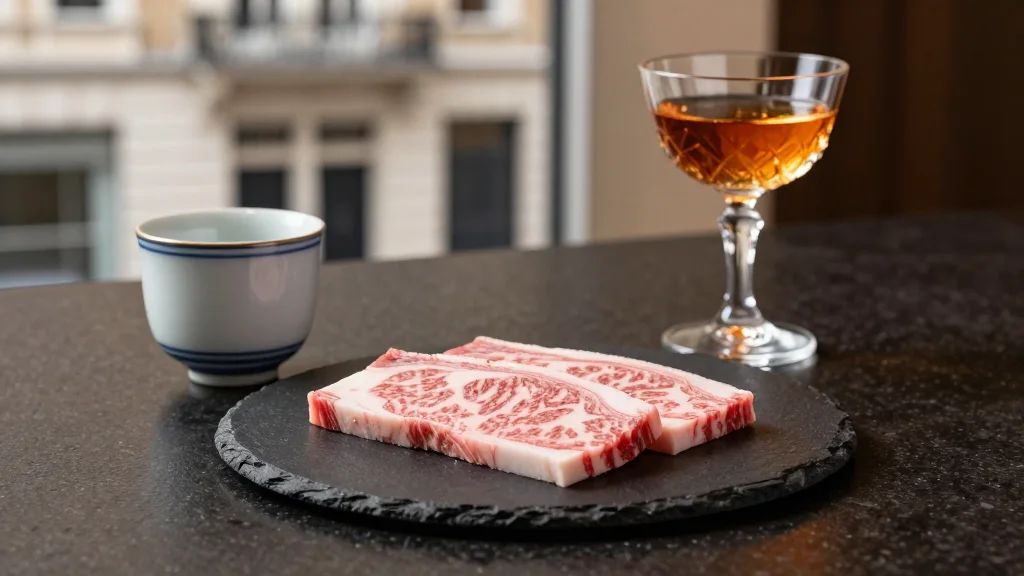
MA/NA Opens in Mayfair, Adding Luxury Japanese Dining to London's Elite Scene

Companies Mentioned
Why It Matters
MA/NA’s opening highlights the continued appetite for ultra‑luxury Japanese cuisine in global food capitals, signaling confidence among restaurateurs to invest in high‑cost, ingredient‑intensive concepts. The restaurant’s certified Kobe beef offering brings attention to the supply chain constraints and sustainability debates surrounding premium beef imports, potentially influencing future sourcing standards. Additionally, the seamless integration of a curated cocktail bar reflects a broader shift toward experiential hospitality, where dining and drinking are treated as a single, evolving narrative. For the broader food industry, MA/NA serves as a case study in balancing heritage, innovation, and ethical sourcing. Its success—or lack thereof—could shape how other high‑end operators approach menu development, ingredient certification, and the blending of culinary and mixology experiences in competitive urban markets.
Key Takeaways
- •MA/NA opened in Mayfair, London, as the latest luxury Japanese concept from Thesleff Group.
- •Executive Chef Leo Tanyag leads a menu featuring O‑Toro Tartare, Avocado Aburi, and A5 Wagyu Ishiyaki.
- •The restaurant is certified to serve Kobe beef from the Tajima strain of Japanese Black cattle.
- •Bar Director Pietro Collina, formerly of Viajante87, curates a cocktail program with signature drinks like the Noble Martini.
- •MA/NA blends fine dining with a late‑night bar, reflecting a growing trend of experiential hospitality.
Pulse Analysis
MA/NA arrives at a pivotal moment for London’s high‑end dining sector. The city has seen a resurgence of luxury concepts after the pandemic, but the market is also becoming more discerning about provenance and sustainability. By anchoring its narrative in the Japanese philosophy of ‘mana,’ the restaurant attempts to differentiate itself beyond the typical sushi‑and‑sashimi model, offering a holistic experience that elevates each ingredient to a near‑ritual status. This storytelling angle may resonate with affluent diners who seek authenticity and a sense of purpose in their culinary choices.
However, the reliance on ultra‑premium ingredients such as Kobe beef and Bluefin tuna introduces risk. Global supply constraints and rising consumer awareness of the environmental impact of high‑end meat could pressure MA/NA to justify its price points or diversify its protein offerings. Competitors may respond by highlighting locally sourced alternatives or by emphasizing sustainability certifications, potentially shifting the competitive advantage away from sheer exclusivity toward responsible luxury.
The bar component, led by a globally recognized mixologist, is a strategic move to capture post‑dinner revenue and extend the venue’s relevance into later hours. This aligns with a broader industry shift where restaurants are evolving into multi‑experience spaces, blurring the lines between dining, nightlife, and entertainment. If MA/NA can sustain high occupancy across both segments, it may set a template for future luxury concepts that aim to maximize floor‑plan utilization while delivering a cohesive brand narrative. The next quarter will be critical: reservation trends, repeat patronage, and feedback on ingredient sourcing will determine whether MA/NA becomes a new benchmark or a cautionary tale for over‑ambitious, ingredient‑heavy concepts.
MA/NA Opens in Mayfair, Adding Luxury Japanese Dining to London's Elite Scene
Comments
Want to join the conversation?
Loading comments...