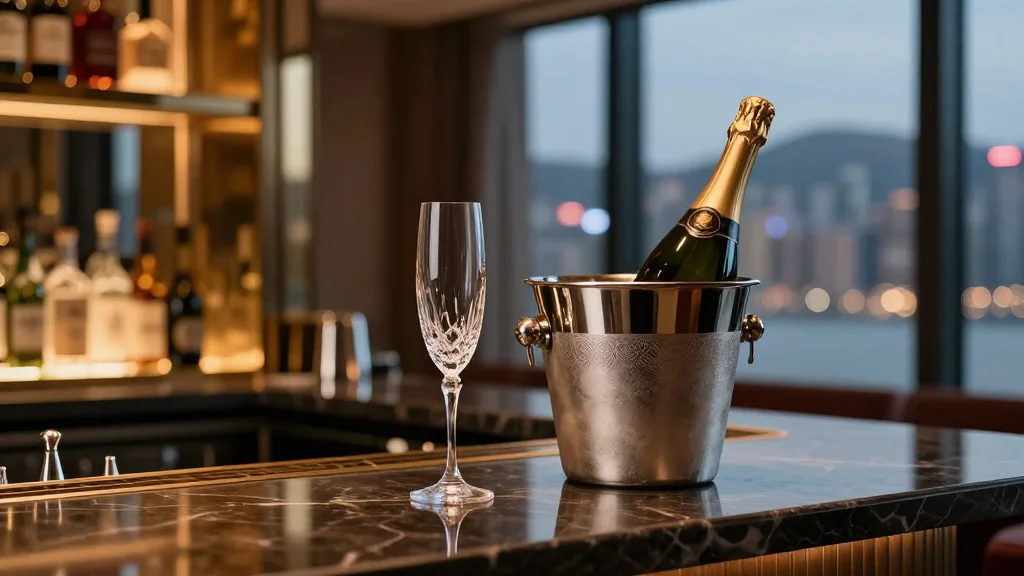
Mandarin Oriental Hong Kong to Open Blanc De Noirs Champagne Bar on May 1

Companies Mentioned
Why It Matters
The launch of Blanc de Noirs marks a clear pivot toward hyper‑luxury beverage experiences in Hong Kong’s hospitality sector, a move that could reshape revenue models for premium hotels. By anchoring a dedicated champagne bar within its flagship property, Mandarin Oriental not only diversifies its offering but also taps into a growing consumer appetite for exclusive, Instagram‑ready venues that blend heritage and modern design. The initiative may set a benchmark for other luxury hotels, prompting a wave of similar specialty concepts that prioritize high‑margin, experience‑driven services. Furthermore, the bar’s emphasis on rare and vintage champagnes highlights the increasing importance of curated, knowledge‑rich experiences in the food and beverage landscape. As affluent diners seek authenticity and storytelling, hotels that can deliver expertly guided tastings and unique product access will likely capture a larger share of discretionary spending, influencing supply chains and pricing dynamics within the global champagne market.
Key Takeaways
- •Mandarin Oriental Hong Kong opens Blanc de Noirs Champagne Bar on May 1.
- •Bar features over 100 champagne labels, including limited‑edition and boutique vintages.
- •Designed by Kwan & Associates, the space offers a private tasting lounge and gourmet canapés.
- •Projected to add roughly HK$30 million (US$3.8 million) in annual revenue.
- •Launch aligns with a broader trend of luxury hotels adding specialty beverage venues.
Pulse Analysis
Mandarin Oriental’s decision to launch a standalone champagne bar reflects a strategic response to shifting consumer preferences in the post‑pandemic era. High‑net‑worth travelers and local elites are gravitating toward experiences that combine exclusivity with visual appeal, a trend amplified by social media. By curating a venue that doubles as a cultural showcase and a revenue generator, the hotel leverages its brand equity to command premium pricing while differentiating itself from competitors.
Historically, luxury hotels have relied on fine dining restaurants as their primary food‑and‑beverage profit centers. However, the rise of niche concepts—such as whisky lounges, rooftop gin bars, and now champagne sanctuaries—signals a diversification of the luxury hospitality playbook. These venues can operate with lower overhead than full‑scale restaurants, yet deliver higher per‑guest spend through curated product selections and experiential programming. For Mandarin Oriental, the Blanc de Noirs bar also serves as a testing ground for future rollouts in other markets, potentially standardizing a high‑margin, low‑footprint model across its global portfolio.
The competitive ripple effect could intensify pressure on champagne houses to allocate limited allocations to hotel partners, reshaping distribution channels. If the Blanc de Noirs concept proves profitable, we may see a cascade of similar initiatives, driving up demand for rare vintages and prompting producers to develop exclusive hospitality‑only releases. This dynamic could elevate champagne’s status as a luxury asset class, further intertwining the beverage market with high‑end hospitality economics.
Mandarin Oriental Hong Kong to Open Blanc de Noirs Champagne Bar on May 1
Comments
Want to join the conversation?
Loading comments...