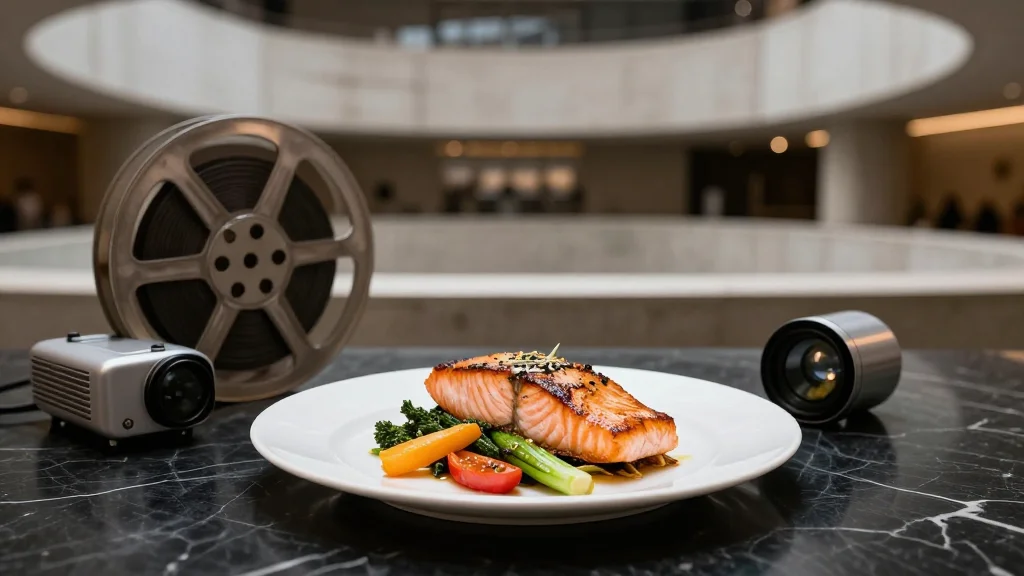
Marcel Debuts Cinematic Dining Experience in New York’s Iconic Breuer Building

Why It Matters
Marcel’s cinematic dining concept merges two powerful cultural industries—film and food—into a single revenue stream, offering a blueprint for how restaurants can differentiate themselves in a saturated market. By leveraging the prestige of the Breuer Building, the venue also demonstrates how historic architecture can be repurposed to meet contemporary consumer desires for immersive experiences. If successful, the model could encourage more cross‑sector partnerships, reshaping how urban dining spaces are conceived and monetized. The venture also highlights the financial calculus of high‑concept hospitality. Licensing fees for films, specialized projection equipment, and a larger staff footprint increase operating costs, but the premium pricing and media buzz may offset those expenses. Investors and restaurateurs will watch Marcel’s performance closely to gauge whether the added complexity translates into sustainable profitability.
Key Takeaways
- •Marcel opened a 120‑seat cinematic dining venue in New York’s Breuer Building on May 27, 2026.
- •The concept pairs weekly film screenings with a seasonal menu designed to echo each movie’s narrative.
- •Tasting menus range from $95 to $150 per person, inclusive of wine pairings and the film.
- •Restaurant openings in NYC are up 18% year‑over‑year, indicating a favorable environment for new concepts.
- •Marcel plans themed events and collaborations with film festivals to sustain interest beyond the initial launch.
Pulse Analysis
Marcel’s launch arrives at a crossroads where experiential dining is no longer a novelty but a competitive necessity. The pandemic accelerated consumer appetite for venues that offer more than a meal, and the cinematic dining model taps directly into that demand. By embedding a curated film program into the core of the restaurant’s identity, Marcel creates repeat‑visit incentives that traditional fine‑dining establishments lack. Guests are likely to return not just for the food but to experience a new story each visit, driving higher table turnover and ancillary revenue from ticket sales.
However, the model’s scalability remains uncertain. Film licensing costs can vary dramatically based on title, distributor, and length of run, potentially eroding margins in markets where rent and labor are already high. Moreover, the need for technical staff to manage projection and sound adds a layer of operational complexity that many restaurateurs are not equipped to handle. Success will hinge on Marcel’s ability to negotiate favorable licensing deals, perhaps by partnering with streaming platforms eager for physical exhibition opportunities.
If Marcel proves profitable, it could spark a wave of similar ventures in other cultural hubs—think a jazz‑themed bistro in New Orleans or a culinary‑opera house in Chicago. The key takeaway for investors is that the next frontier in hospitality may lie in hybrid experiences that blur the line between entertainment and gastronomy, turning dining into a multi‑sensory event that commands premium pricing and cultivates brand loyalty.
Marcel Debuts Cinematic Dining Experience in New York’s Iconic Breuer Building
Comments
Want to join the conversation?
Loading comments...