Marquesitas May Look Like Crepes, But One Crispy Detail Sets Them Apart
Why It Matters
The rise of marquesitas highlights how regional Mexican street foods can achieve global appeal through adaptable recipes, offering entrepreneurs new product opportunities and expanding Yucatán’s culinary brand.
Key Takeaways
- •Originated 1940s in Mérida by Vicente Heredia Muñoz
- •Crispy texture from specialized griddle, unlike regular crepes
- •Traditional filling uses Dutch Edam cheese, now varied sweet options
- •Chef Pati Jinich popularized home recipes using standard pans
- •Adaptable to crepe press, waffle maker, or ice‑cream cone maker
Pulse Analysis
Marquesitas are more than a novelty snack; they embody the unique culinary heritage of Mexico’s Yucatán peninsula. Born in the 1940s on the streets of Mérida, the treat was invented by Vicente Heredia Muñoz, an ice‑cream vendor who repurposed his cone‑making skills into a thin, rolled pastry. The original combination of a crisp shell with Dutch Edam cheese—imported specifically for the region—reflected Yucatán’s historic trade links and its penchant for blending foreign ingredients with local tastes. Today the dessert serves as a cultural ambassador, introducing visitors to the peninsula’s distinct flavor profile.
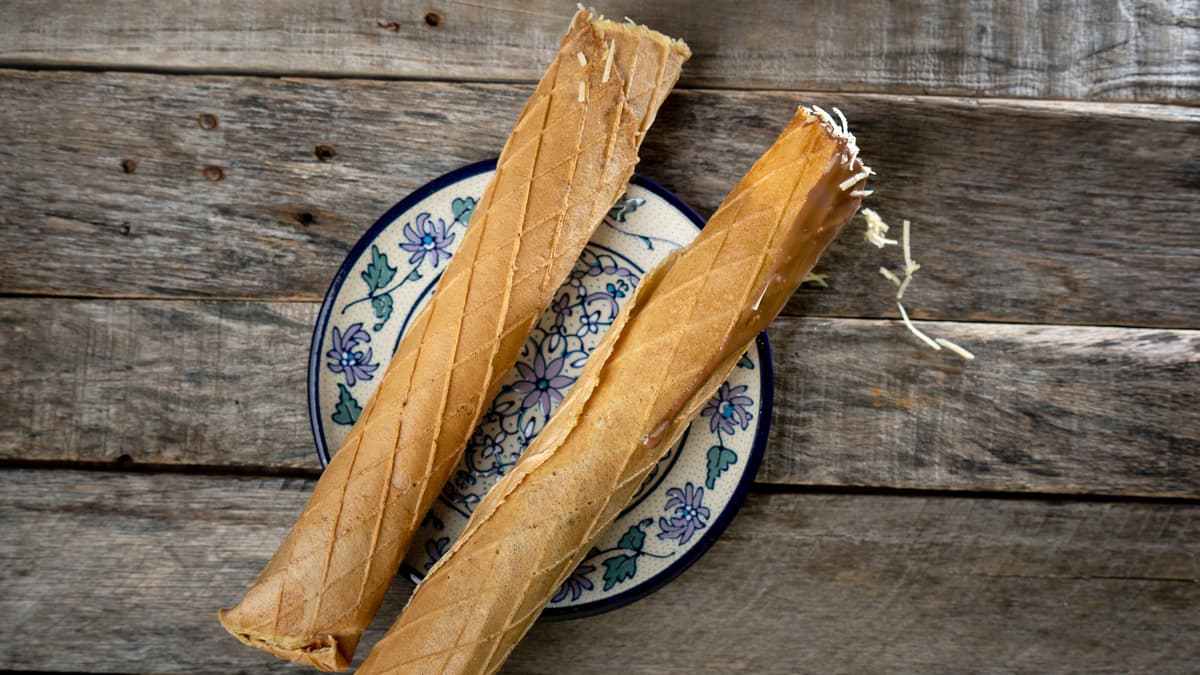
The defining characteristic of a marquesita is its crunchy texture, achieved by cooking the batter on a purpose‑built griddle that rapidly sears the surface while keeping the interior pliable. This technique differentiates it from traditional French crepes, which remain soft. Once removed from heat, the pastry hardens instantly, allowing vendors to roll it around a variety of fillings. While the classic version relies on savory cheese, modern stalls offer hazelnut‑chocolate spread, cajeta, fresh fruit, and condensed milk, turning the snack into a versatile sweet‑savory hybrid that appeals to a broad palate.
The recent push by chef Pati Jinich to democratize the recipe has sparked a home‑cooking wave, with enthusiasts adapting the process to standard crepe pans, waffle irons, or even ice‑cream‑cone makers. This accessibility opens doors for small‑scale producers and food‑service operators to incorporate marquesitas into menus beyond Mexico, tapping into the growing demand for authentic yet adaptable street‑food experiences. As consumers seek novel textures and culturally rich desserts, the marquesita’s blend of heritage, convenience, and flavor positions it as a promising product for culinary entrepreneurs and global snack brands.
Marquesitas May Look Like Crepes, But One Crispy Detail Sets Them Apart
Comments
Want to join the conversation?
Loading comments...