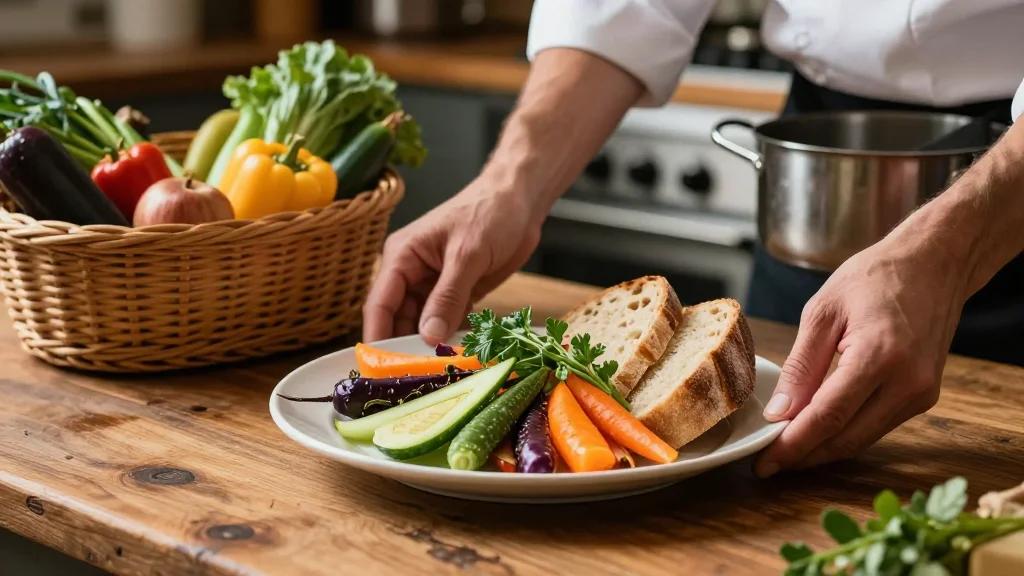
Massimo Bottura's Food for Soul Runs 12 Global Refettorios, Turning Surplus Into Meals

Why It Matters
The Refettorio initiative tackles two pressing challenges simultaneously: food waste and food insecurity. By converting surplus from upscale kitchens into dignified meals, the program reduces greenhouse‑gas emissions associated with waste decomposition while delivering nutrition to vulnerable groups. Its emphasis on hospitality reshapes public perception of charitable food service, showing that dignity and quality can coexist with efficiency. If replicated at scale, the model could shift industry norms, prompting restaurants to embed waste‑recovery protocols into daily operations. Moreover, the network’s cross‑continental footprint demonstrates that high‑end culinary expertise can be mobilized for social good, inspiring other chefs and hospitality brands to adopt similar approaches.
Key Takeaways
- •Food for Soul operates 12 Refettorio kitchens in nine countries across four continents.
- •The first Refettorio, Ambrosiano, opened in a disused 1930s Milan theatre.
- •In Rio de Janeiro 2016, the model produced about 5,000 meals daily from Olympic Village surplus.
- •Each Refettorio pairs professional chefs with local volunteers to create regionally inspired menus.
- •The initiative aligns with UN SDG 12.3 to halve global food waste by 2030.
Pulse Analysis
Food for Soul’s Refettorio model illustrates how culinary prestige can be leveraged for systemic change. Historically, charity kitchens have been associated with institutional settings that lack aesthetic appeal; Bottura’s approach flips that narrative by embedding design, hospitality and chef‑driven creativity into the aid process. This rebranding not only elevates the experience for recipients but also makes participation more attractive for high‑end restaurants wary of brand dilution.
From a market perspective, the model offers a low‑cost, high‑impact avenue for restaurants to meet emerging ESG expectations. As investors increasingly scrutinize waste‑reduction metrics, partnerships with Food for Soul could become a differentiator for upscale brands seeking to demonstrate tangible sustainability outcomes. The network’s expansion into emerging markets also signals a strategic pivot: adapting the Refettorio template to local supply chains and cultural tastes can unlock new donor bases and governmental support, especially in regions where food insecurity is acute.
Looking forward, the success of the Refettorio blueprint may catalyze a broader industry shift toward “circular hospitality,” where surplus is systematically redirected into community-serving channels. If the planned toolkit gains traction, it could standardize best practices, lower entry barriers for smaller establishments, and accelerate progress toward global waste‑reduction targets. The convergence of culinary excellence, social impact and environmental stewardship positions Food for Soul as a potential catalyst for lasting change in the food sector.
Massimo Bottura's Food for Soul Runs 12 Global Refettorios, Turning Surplus into Meals
Comments
Want to join the conversation?
Loading comments...