MasterChef Champion Carlos Maldonado Wins Michelin Star and Partners with Sushi Buffet SUMO

Companies Mentioned
Why It Matters
Maldonado’s Michelin star combined with a low‑cost buffet model could reshape consumer expectations of fine dining, proving that culinary artistry can thrive in high‑volume settings. This approach may inspire other star‑rated chefs to explore similar partnerships, potentially widening the market for gourmet experiences and prompting traditional restaurants to innovate on price and accessibility. Moreover, the collaboration highlights a broader shift in the food industry toward inclusivity, where prestige is no longer tied exclusively to exclusivity. By bridging the gap between elite culinary standards and everyday dining, Maldonado and SUMO are setting a precedent that could influence menu development, pricing strategies, and the overall perception of what constitutes a “Michelin‑worthy” meal.
Key Takeaways
- •Carlos Maldonado, MasterChef winner and Michelin‑starred chef, partners with sushi buffet chain SUMO.
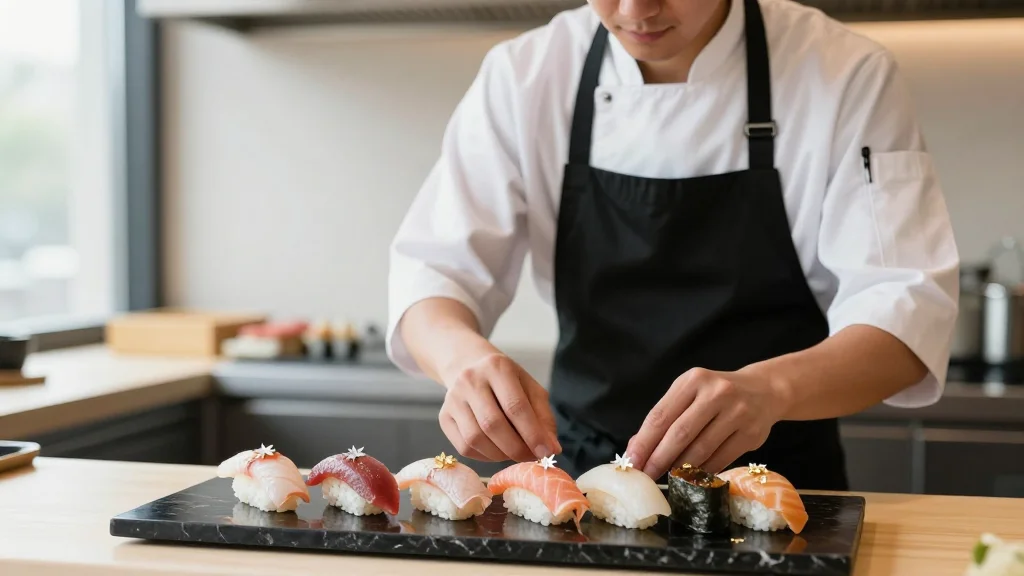
- •Eight exclusive dishes are offered at €17.50 ($19) for lunch and €25.95 ($28) for dinner.
- •Maldonado emphasizes serving the majority, not just an elite minority.
- •Collaboration blurs lines between high‑end gastronomy and affordable buffet formats.
- •Launch slated for all SUMO locations in Spain, with potential seasonal menu expansions.
Pulse Analysis
Maldonado’s move reflects a strategic response to the post‑pandemic dining landscape, where consumers demand quality without the traditional price premium. By leveraging his Michelin credentials within a fast‑casual environment, he taps into a growing segment of diners who seek authenticity and skill at accessible price points. This hybrid model could catalyze a wave of similar collaborations, especially as chefs look for new revenue streams beyond the constraints of fine‑dining rooms that have struggled with reduced capacity.
Historically, Michelin stars have been associated with exclusive, often opaque dining experiences. Maldonado’s partnership challenges that narrative, suggesting that the guide’s standards can be applied to any format that meets its criteria for technique, flavor, and consistency. If successful, this could prompt the Michelin Guide to reconsider how it evaluates and awards stars, potentially expanding its relevance to a broader array of establishments.
Looking ahead, the key metric will be consumer reception and repeat business. Should the SUMO locations see strong demand, other buffet and quick‑service brands may seek similar alliances, creating a new competitive frontier where culinary prestige becomes a differentiator in the mass market. This evolution could ultimately democratize gourmet dining, making it a staple rather than a rare indulgence.
MasterChef Champion Carlos Maldonado Wins Michelin Star and Partners with Sushi Buffet SUMO
Comments
Want to join the conversation?
Loading comments...