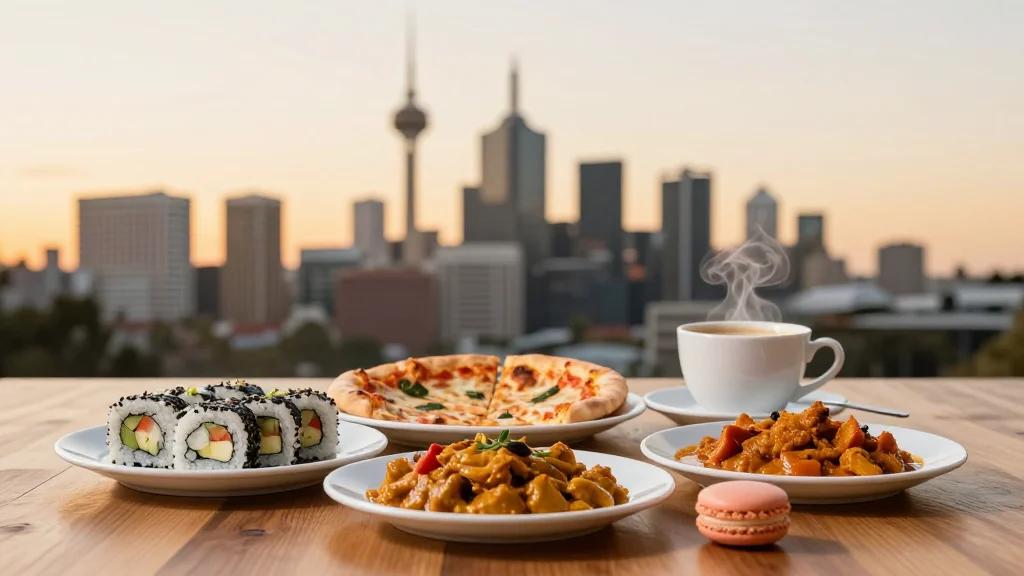
Melbourne Topped 2026 Global Foodie Rankings, Outpacing New York and Paris

Why It Matters
The designation of Melbourne as the top food‑traveller city signals a broader shift in tourism where culinary experiences are becoming as pivotal as traditional attractions. For the Australian economy, the ranking could translate into higher visitor spend, increased hotel occupancy, and stronger demand for local produce and hospitality talent. It also places pressure on policymakers to support infrastructure that sustains diverse food offerings, from market spaces to transport links. Globally, the Holafly study challenges the long‑standing dominance of European capitals in culinary tourism rankings. By foregrounding diversity over Michelin prestige, the report may encourage other cities to invest in multicultural food ecosystems, potentially reshaping the competitive dynamics of the global hospitality industry.
Key Takeaways
- •Melbourne ranked #1 in Holafly’s 2026 global foodie city study, beating New York, London and Paris.
- •79% of Melbourne’s restaurants serve international cuisine, the highest share among 30 cities surveyed.
- •Over 140 cultural groups are represented in Melbourne’s population, fueling its diverse food scene.
- •Travelers now cite food as the primary factor in destination choice for 62% of trips, up from 48% five years ago.
- •Analysts forecast a 5‑7% rise in inbound tourism to Melbourne over the next year, driven by the new ranking.
Pulse Analysis
Melbourne’s ascent to the top of the foodie rankings reflects a maturation of culinary tourism that values breadth and inclusivity over traditional fine‑dining metrics. Historically, cities like Paris and Tokyo dominated rankings by virtue of Michelin stars and haute cuisine heritage. The Holafly methodology, however, privileges the availability of a wide array of global dishes, positioning multiculturalism as a competitive advantage. This shift aligns with demographic trends: younger travelers, especially Gen Z and Millennials, prioritize authentic, Instagram‑ready food experiences that tell a story of migration and cultural exchange.
From an economic perspective, the ranking offers a timely boost as the travel sector rebounds from pandemic disruptions. The projected 5‑7% increase in tourist arrivals could inject upwards of AUD 1 billion (≈ US$660 million) into Melbourne’s hospitality sector, supporting job creation and supply‑chain activity for local producers. Yet the upside is not guaranteed; the city must manage the risk of over‑tourism, which could strain infrastructure and dilute the very authenticity that earned it the title.
Looking ahead, the real test will be whether Melbourne can sustain its lead amid intensifying competition. Berlin’s close second place suggests that other cities are rapidly diversifying their food offerings, leveraging immigration and culinary innovation. Australian rivals like Sydney are already earmarking funds to expand multicultural precincts, indicating that the ranking may spark a regional culinary arms race. For investors, the takeaway is clear: capital flowing into food‑focused ventures—whether pop‑up concepts, culinary tours, or specialty supply chains—will likely accelerate, making the next few years a pivotal period for the global food tourism market.
Melbourne Topped 2026 Global Foodie Rankings, Outpacing New York and Paris
Comments
Want to join the conversation?
Loading comments...