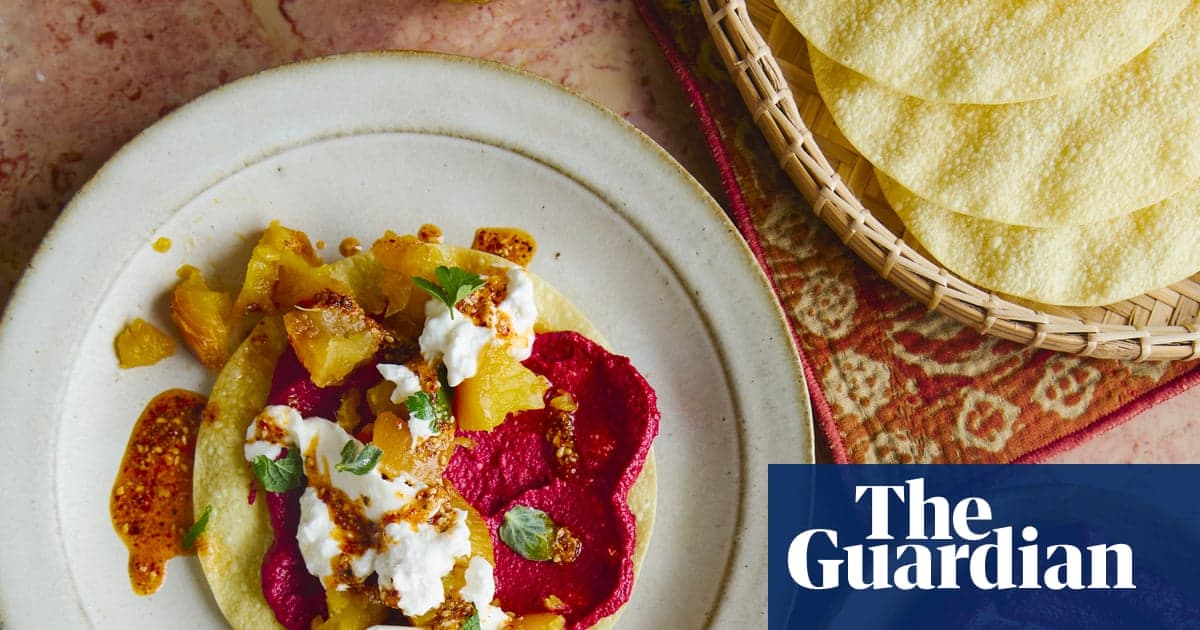
Mexican Magic: Santiago Lastra’s Recipes for Cheesy Mushroom Costras and Beetroot Tostadas
Companies Mentioned
Why It Matters
The cookbook signals a broader shift toward plant‑based Mexican cuisine, giving restaurants and food brands a ready‑made blueprint to attract health‑conscious diners while preserving authentic flavor profiles.
Key Takeaways
- •Lastra's book priced at $38, released by Quadrille
- •Mushroom costra swaps beef for portobello, topped with melted Emmental
- •Beetroot tostadas use poppadoms for crisp, paired with pink mole
- •Recipes feature homemade sesame macha and pink mole sauces
- •Highlights growing demand for plant‑based Mexican‑inspired dishes
Pulse Analysis
Mexican cuisine continues its global ascent, and Lastra’s *Mexican Soul* arrives at a moment when U.S. consumers are seeking bold flavors without the meat. The $38 cookbook taps into a $12 billion plant‑based market, offering recipes that preserve the heart of regional dishes while substituting mushrooms and beetroot for traditional proteins. By documenting step‑by‑step techniques—from roasting beetroot for a vivid pink mole to crafting a sesame‑infused macha—Lastra provides a culinary playbook that resonates with food‑savvy audiences looking for authentic yet innovative meals.
The standout dishes—mushroom costra and beetroot tostadas—illustrate a seamless fusion of tradition and modernity. Replacing the classic beef crust with portobello mushrooms and Emmental cheese creates a rich, umami‑laden bite that satisfies both vegetarians and meat‑eaters. Meanwhile, the use of poppadoms as a tostada base introduces a crisp, airy texture uncommon in Mexican fare, while the vivid pink mole leverages beetroot’s natural sweetness and color. These inventive twists not only broaden the flavor palette but also demonstrate how chefs can reinterpret heritage dishes using globally sourced ingredients.
For the food industry, Lastra’s recipes present actionable insights. Restaurants can quickly roll out plant‑based menu items that retain cultural authenticity, while packaged‑food companies might develop ready‑to‑cook kits featuring pre‑made sauces like sesame macha. The cookbook’s emphasis on homemade components aligns with the growing consumer demand for transparency and craftsmanship, positioning brands that adopt these concepts to capture a share of the expanding plant‑based Mexican segment. As culinary trends continue to converge, Lastra’s work offers a template for scaling flavorful, sustainable offerings across dining channels.
Mexican magic: Santiago Lastra’s recipes for cheesy mushroom costras and beetroot tostadas
Comments
Want to join the conversation?
Loading comments...