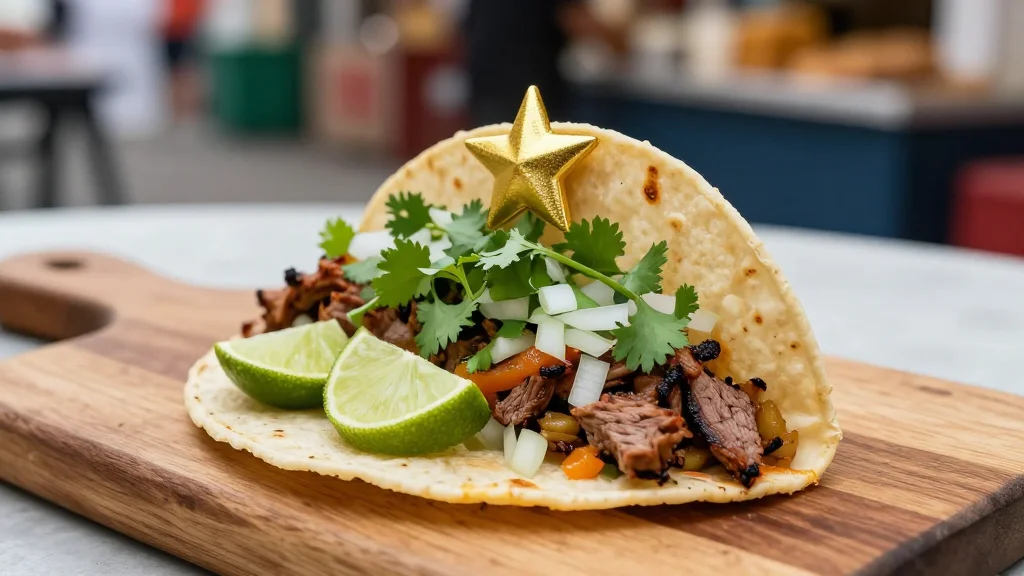
Mexico’s Iconic Taco Stand El Califa De León Stripped of Its Michelin Star

Companies Mentioned
Why It Matters
The removal of a Michelin star from a street‑food operation challenges the perception that casual venues can sustain elite accolades indefinitely. It underscores the Michelin Guide’s evolving standards and its impact on consumer expectations, tourism, and pricing strategies for low‑cost eateries. Additionally, the introduction of a high‑priced taquería like La Once Mil illustrates a widening gap between authentic, affordable street food and upscale reinterpretations, prompting industry stakeholders to reconsider how quality and value are balanced in the eyes of global rating bodies. For Mexico’s broader culinary scene, the shift signals that Michelin’s influence is no longer confined to a handful of metropolitan hubs. As the guide expands into new states, regional chefs will face heightened scrutiny, potentially accelerating investment in culinary training, ingredient sourcing, and service standards across the country.
Key Takeaways
- •El Califa de León loses its Michelin star in the 2026 guide, the only downgrade this year.
- •Michelin Guide cites its own standards for star removal but provides no specific reason for El Califa.
- •La Once Mil, a high‑end taquería, gains a star, with tacos priced up to 335 pesos (US $19).
- •The guide expands to Yucatán, Jalisco, and Puebla, adding 29 starred restaurants nationwide.
- •El Califa remains on the guide’s recommended list, preserving some prestige despite the loss.
Pulse Analysis
Michelin’s decision to pull a star from El Califa de León reflects a broader tightening of criteria that could reshape Mexico’s street‑food ecosystem. Historically, the guide’s foray into casual venues was seen as a democratizing force, granting global visibility to humble eateries. However, the loss suggests that Michelin now demands consistent excellence that may be harder for low‑margin operations to guarantee over multiple assessment cycles. This could push street‑food owners to invest in higher‑quality ingredients, staff training, or even upscale their ambiance to meet evolving expectations.
The juxtaposition of El Califa’s downgrade with La Once Mil’s ascent highlights a bifurcation within the taco market: authentic, affordable tacos versus luxury, experience‑driven versions. As consumers become more discerning, the premium taco model may capture a growing share of high‑spending diners, especially tourists seeking curated experiences. Yet this trend risks marginalizing traditional vendors who lack the capital to upscale, potentially widening socioeconomic gaps in the culinary landscape.
Finally, Michelin’s geographic expansion signals a strategic push to map Mexico’s diverse gastronomy beyond the traditional hotspots. By awarding stars in Yucatán, Jalisco, and Puebla, the guide not only diversifies its portfolio but also creates new competitive pressures for chefs across the nation. Restaurants in these regions will now have a tangible benchmark to chase, likely spurring innovation, investment, and a ripple effect that could elevate Mexico’s overall culinary reputation on the world stage.
Mexico’s Iconic Taco Stand El Califa de León Stripped of Its Michelin Star
Comments
Want to join the conversation?
Loading comments...