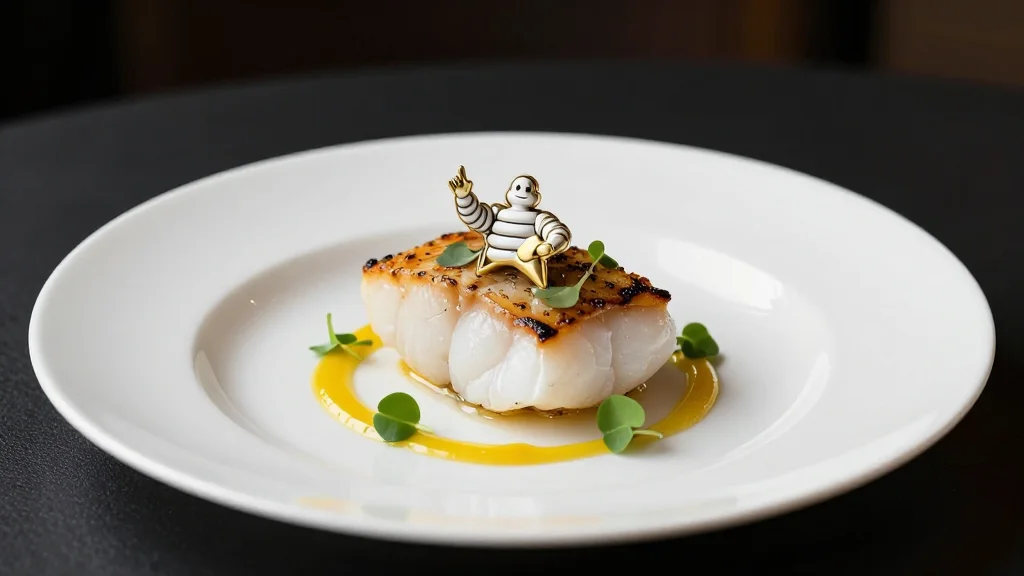
Miami’s Mutra Wins Historic Michelin Star as First Kosher Restaurant

Companies Mentioned
Why It Matters
The Michelin star awarded to Mutra reshapes perceptions of kosher food, proving that dietary laws and haute cuisine can coexist at the highest level. It also underscores Miami’s emergence as a culinary destination capable of producing globally recognized talent. For the Jewish community, the honor validates cultural heritage within mainstream gastronomy, potentially driving investment in kosher concepts and encouraging culinary schools to incorporate kosher techniques into their curricula. Beyond the immediate celebration, the milestone may influence how rating agencies evaluate restaurants with religious or cultural specifications. If Michelin continues to recognize such establishments, it could broaden the guide’s relevance and encourage more inclusive criteria, benefitting a wider array of culinary traditions worldwide.
Key Takeaways
- •Mutra becomes the first kosher restaurant ever to receive a Michelin star.
- •Chef Raz Shabtai opened Mutra in February 2025 and leads the kitchen.
- •Michelin inspectors praised the beetroot dish with ajo blanco and the lamb kebab with smoked aubergine cream.
- •The award highlights Miami’s growing status as a fine‑dining hub.
- •Industry observers expect the star to spur growth in upscale kosher dining across the U.S.
Pulse Analysis
Mutra’s Michelin star is more than a singular accolade; it marks a turning point for how specialty cuisines are evaluated by elite rating bodies. Historically, Michelin has favored French, Italian, and Japanese fine‑dining concepts, often overlooking establishments bound by religious dietary codes. By honoring Mutra, the guide acknowledges that culinary excellence can thrive within the parameters of kashrut, potentially prompting a reassessment of its evaluation framework.
The ripple effect on the market could be substantial. Investors may now view kosher restaurants as viable candidates for upscale expansion, leading to increased capital flow into the niche. Culinary schools and incubators might incorporate kosher modules, preparing chefs to meet both religious standards and Michelin‑level expectations. Moreover, Miami’s tourism board can leverage the star to attract a new segment of food‑focused travelers, boosting the city’s hospitality revenues.
Looking ahead, the challenge will be maintaining authenticity while scaling. As more kosher chefs aim for Michelin recognition, the pressure to innovate without compromising dietary laws could spark a new wave of creative techniques—perhaps integrating fermentation, sous‑vide, or plant‑based alternatives that meet kashrut. If Mutra’s success proves sustainable, it could usher in an era where religiously observant dining is not a niche but a mainstream component of the global fine‑dining ecosystem.
Miami’s Mutra Wins Historic Michelin Star as First Kosher Restaurant
Comments
Want to join the conversation?
Loading comments...