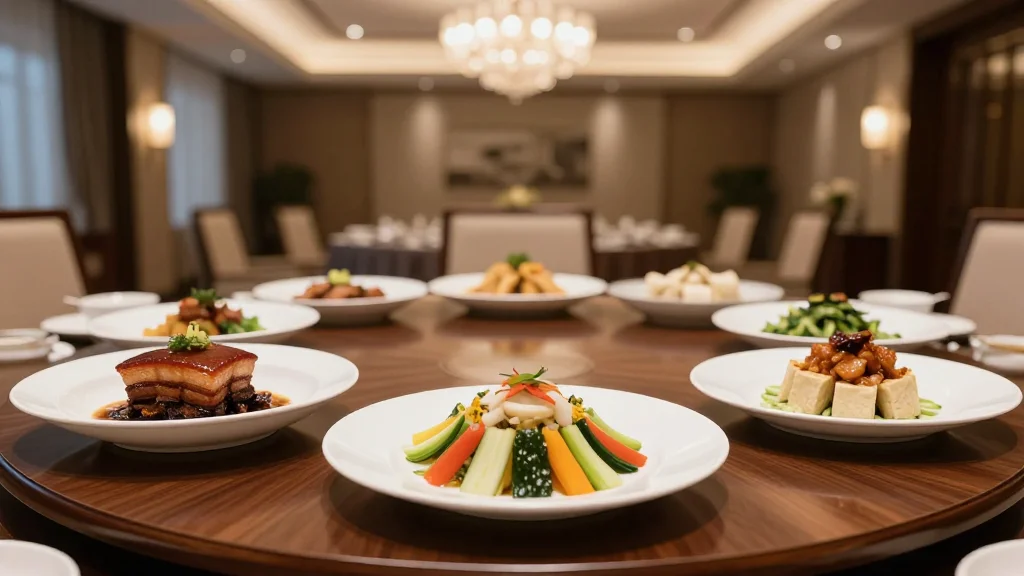
Michelin Chef Tsai Jui-Lang Launches Man Yue Lou, Sparking Hakka Food Renaissance in Hsinchu

Why It Matters
Man Yue Lou illustrates how culinary heritage can be leveraged for economic development, tourism, and cultural preservation. By elevating Hakka cuisine—traditionally viewed as rustic—to a Michelin‑level experience, the project challenges stereotypes and creates a market for heritage foods that can sustain local producers and artisans. The partnership also demonstrates a scalable blueprint: academic institutions providing research depth while hospitality brands deliver execution and market reach. If replicated, such collaborations could revitalize other under‑represented regional cuisines, fostering a more diverse global food narrative and offering new revenue streams for hotels and universities alike. The initiative also underscores the role of fine dining as a cultural ambassador, capable of translating historical practices into contemporary experiences that resonate with both locals and visitors.
Key Takeaways
- •Chef Tsai Jui-lang, former head of Michelin‑starred Mountain and Sea House, opens Man Yue Lou in Hsinchu.
- •First major industry‑academia partnership between Lakeshore Hotel and the College of Hakka Studies.
- •Menu reinterprets 1950s Chiang A‑hsin family hospitality traditions with dishes like goldfish crystal dumplings and charcoal‑roasted goose.
- •Portion of banquet proceeds donated to the Chiang A‑hsin Education Foundation for regional education.
- •Project aims to shift Hakka cuisine perception from "salty and oily" to refined banquet fare.
Pulse Analysis
The Man Yue Lou launch is a strategic convergence of culinary prestige and cultural scholarship. Historically, fine‑dining establishments have relied on celebrity chefs to draw diners, but Tsai’s approach adds a scholarly layer that deepens the narrative behind each plate. This not only differentiates the restaurant in a crowded market but also creates intellectual property—research findings, archived recipes, and heritage stories—that can be monetized through media, publishing, and tourism.
From a market perspective, Taiwan’s hospitality sector has been seeking ways to move beyond the night‑market model that dominates its food identity. By positioning Hakka cuisine within a luxury context, Man Yue Lou taps into the growing global appetite for authentic, story‑driven dining experiences. The collaboration could spur a ripple effect, encouraging other hotels to partner with universities to unlock similar heritage assets, thereby diversifying revenue and strengthening community ties.
Looking forward, the key challenge will be scaling the model without diluting authenticity. As demand grows, maintaining the meticulous research and ingredient sourcing that define Man Yue Lou will require robust supply chains and continued academic involvement. If managed well, the venture could set a precedent for heritage‑centric gastronomy that balances profitability with cultural stewardship, reshaping how the world perceives regional Asian cuisines.
Michelin Chef Tsai Jui-lang Launches Man Yue Lou, Sparking Hakka Food Renaissance in Hsinchu
Comments
Want to join the conversation?
Loading comments...