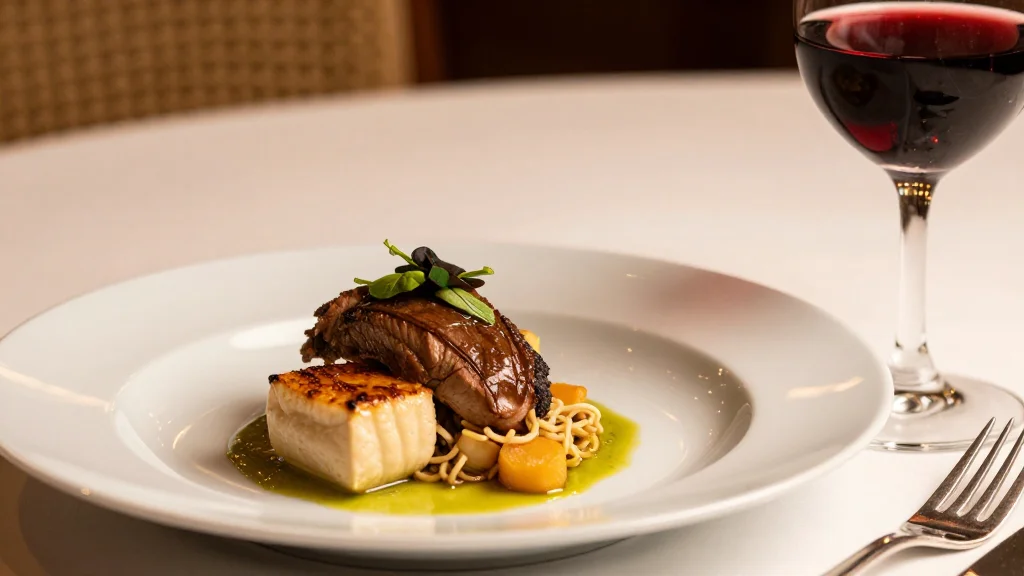
Michelin Guide 2026 Awards Three Stars to São Paulo’s Evvai and Tuju, First in Latin America

Companies Mentioned
Why It Matters
The three‑star designation for Evvai and Tuju elevates Brazil’s position on the global culinary map, signaling to investors, tourists and local talent that the country can compete at the highest level of fine dining. It also validates the growing emphasis on Brazilian terroir, encouraging producers of native ingredients to expand capacity and adopt sustainable practices. For the domestic restaurant industry, the guide’s expanded list of new entries and the noted improvements in service set a new benchmark for quality. Restaurants across Brazil are likely to invest in staff training, menu innovation and supply‑chain transparency to meet the heightened expectations that Michelin’s endorsement brings.
Key Takeaways
- •Michelin’s 2026 Rio de Janeiro & São Paulo guide unveiled on April 13 at Copacabana Palace
- •Evvai and Tuju become the first three‑star restaurants in Latin America
- •12 new restaurants added to the guide, reflecting Brazil’s culinary growth
- •Three venues retain two‑star status, underscoring consistent quality
- •Guide highlights rise of international cuisines and improved service standards in Brazil
Pulse Analysis
Michelin’s decision to award three stars to two São Paulo restaurants is more than a symbolic win; it reshapes the competitive dynamics of Latin America’s fine‑dining sector. Historically, the guide’s highest honors have been concentrated in Europe, North America and East Asia, creating a perception that the pinnacle of gastronomy is geographically limited. By breaking that pattern, Michelin signals that the criteria for excellence—creativity, technique, ingredient integrity—are now being met in emerging markets. This could prompt other rating bodies and culinary awards to broaden their focus, offering Brazilian chefs greater international exposure.
From an economic standpoint, the three‑star accolade is likely to generate a multiplier effect. Luxury hotels, premium travel operators and high‑end food importers will adjust their offerings to capture the influx of gastronomic tourists. Moreover, the spotlight on local ingredients may accelerate the development of niche agricultural sectors, such as specialty fruit cultivars and sustainably harvested seafood, as chefs seek to differentiate their menus. The ripple effect could also influence culinary education, with Brazilian institutions expanding programs that teach Michelin‑level techniques and service standards.
Looking forward, the 2026 guide sets a precedent that could intensify competition among Brazil’s top chefs. The pressure to innovate may lead to a new wave of experimental cuisine that blends Brazil’s rich indigenous flavors with global techniques, further diversifying the country’s food identity. Stakeholders—from policymakers to investors—should monitor how this recognition translates into measurable economic outcomes, such as increased tourism revenue, job creation in the hospitality sector, and growth in premium food exports.
Michelin Guide 2026 Awards Three Stars to São Paulo’s Evvai and Tuju, First in Latin America
Comments
Want to join the conversation?
Loading comments...