Michelin Guide 2026 Expands to Yucatán, Honoring Chef Xóchitl Valdés and Huniik

Companies Mentioned
Why It Matters
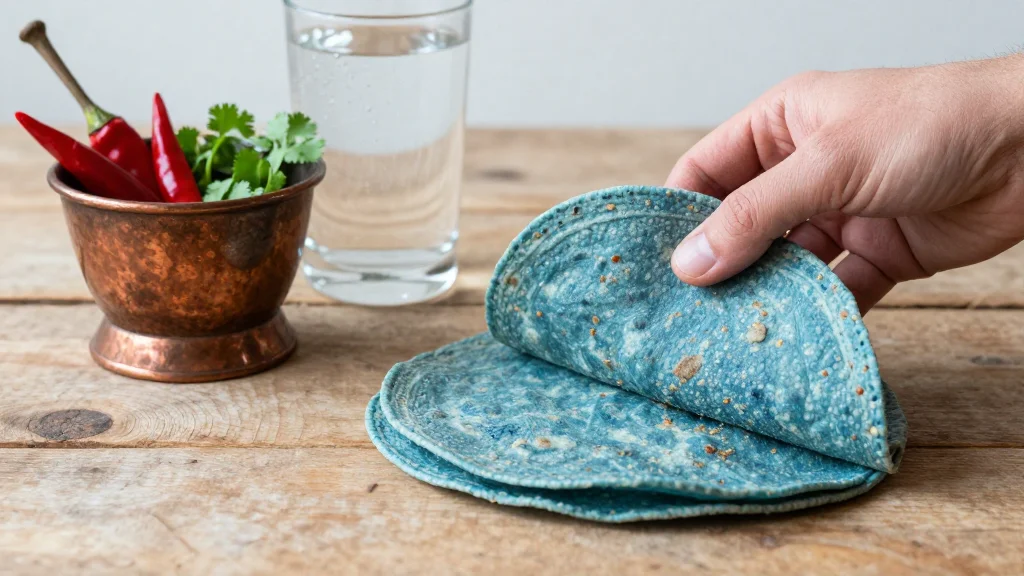
The Michelin Guide’s Yucatán debut signals a shift in global fine‑dining attention toward regional Mexican cuisines, validating local ingredients like native corn and traditional techniques on an international platform. By spotlighting chefs such as Xóchitl Valdés, the guide encourages preservation of agricultural biodiversity and supports small‑scale farmers, aligning culinary excellence with sustainability. For the broader Mexican restaurant industry, the awards create a ripple effect: increased media exposure, higher tourist footfall, and potential capital inflows for upscale establishments. The Service Award to Huniik also illustrates that Michelin now values experiential hospitality, prompting restaurants nationwide to innovate beyond the plate.
Key Takeaways
- •Michelin Guide 2026 adds Yucatán, Puebla and Jalisco to its Mexican map
- •Chef Xóchitl Valdés wins the Young Chef Award for Pancho Maíz
- •Huniik’s front‑of‑house chief Rodrigo Caltenco Núñez receives the Service Award
- •Seven new one‑star restaurants and 16 new Bib Gourmand entries announced
- •Three Green Star recognitions highlight sustainability across Mexico
Pulse Analysis
Michelin’s strategic inclusion of Yucatán reflects a broader industry trend: the elevation of terroir‑centric narratives that marry culinary artistry with cultural heritage. Historically, the guide focused on capital cities and established gastronomic corridors; this pivot acknowledges that authentic, place‑based experiences now command global interest. For investors, the awards act as a seal of quality that can de‑risk capital deployment in emerging culinary districts, potentially spurring boutique hotel‑restaurant partnerships and agritourism ventures.
The dual recognition of Valdés and Caltenco underscores a complementary evolution—where ingredient provenance and service choreography are equally prized. This could reshape chef training curricula, emphasizing interdisciplinary skills that blend agronomy, sustainability, and theatrical hospitality. As Yucatán’s chefs gain visibility, we may see a cascade of similar initiatives in other Mexican states, fostering a competitive yet collaborative environment that pushes the nation’s culinary identity onto the world stage.
Looking ahead, the real test will be Michelin’s ability to maintain rigorous standards while navigating the logistical realities of remote regions. Consistency audits, supply‑chain resilience, and the capacity of local producers to meet heightened demand will determine whether the Yucatán spotlight translates into lasting economic uplift or remains a fleeting accolade.
Michelin Guide 2026 Expands to Yucatán, Honoring Chef Xóchitl Valdés and Huniik
Comments
Want to join the conversation?
Loading comments...