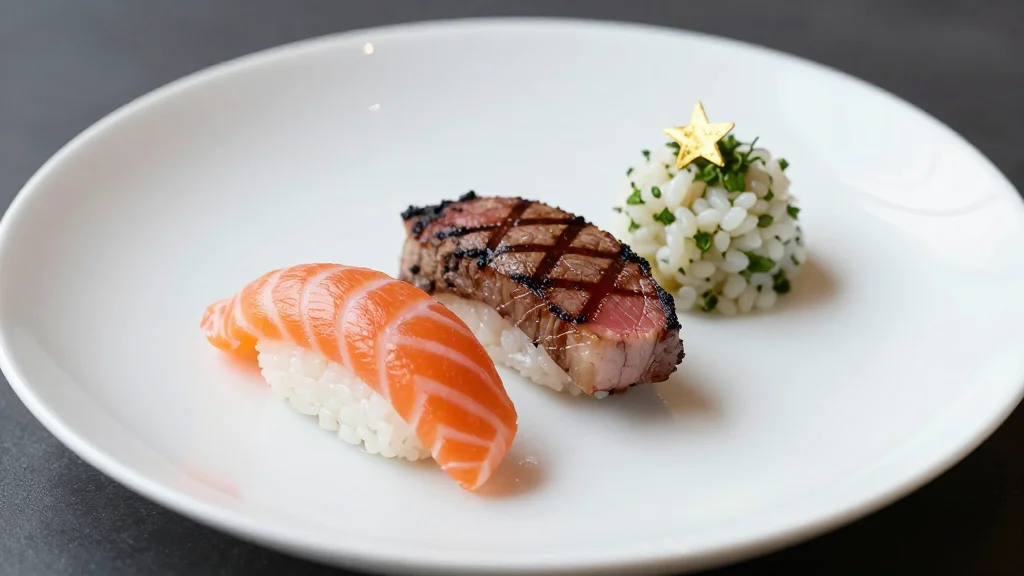
Michelin Guide Adds 21 New Restaurants to California Listings Ahead of June 24 Ceremony

Companies Mentioned
Why It Matters
The addition of 21 new restaurants to the Michelin Guide signals a shift in how fine dining is defined on the West Coast, embracing a wider array of cuisines, price points, and service concepts. This broadened recognition can drive tourism, elevate local chefs onto the global stage, and reshape investment patterns in the restaurant industry. Moreover, the upcoming star awards will likely influence reservation trends, labor markets, and supply chains as establishments vie for the prestige and economic boost that Michelin accolades confer. For consumers, the expanded guide offers more choices and clearer signals of quality, encouraging diners to explore emerging concepts beyond the traditional French‑centric paradigm. For the industry, the heightened competition may spur innovation, elevate service standards, and encourage restaurants to refine their value propositions, ultimately raising the overall caliber of California’s culinary ecosystem.
Key Takeaways
- •Michelin inspectors added 21 California restaurants on Wednesday, ahead of the June 24 awards ceremony.
- •New entries include Miura ($320 omakase), Lucien ($260 tasting menu), Alto, Casa Leo, Electric Bleu, and Kojima ($200 omakase).
- •All 21 are listed as "recommended" and could earn Bib Gourmand or star distinctions.
- •The update follows a March addition of 12 restaurants, marking a rapid expansion of Michelin’s California coverage.
- •Potential star awards are expected to reshape reservation demand and tourism across the state.
Pulse Analysis
Michelin’s aggressive expansion in California reflects a strategic pivot toward a more inclusive definition of fine dining, one that values culinary creativity over traditional Eurocentric benchmarks. By recognizing high‑end omakase, South American grill houses, and modern Spanish tapas bars, the guide acknowledges the evolving palate of American diners and the growing influence of global flavors on the West Coast. This shift aligns with broader industry trends where diners seek authenticity, narrative, and experience, often at a premium.
Historically, Michelin stars have been a catalyst for exponential growth in a restaurant’s revenue and brand equity. The 21 new listings are poised to benefit from this effect, especially those with price points that already attract affluent clientele. However, the influx also raises questions about market saturation; as more venues vie for limited star slots, the prestige associated with a Michelin rating could dilute unless the guide maintains rigorous standards. Restaurants may respond by differentiating through hyper‑local sourcing, immersive storytelling, or leveraging technology to enhance the dining experience.
Looking ahead, the June 24 ceremony will serve as a litmus test for Michelin’s new approach. If a significant number of the 21 receive stars or Bib Gourmand honors, it could validate the guide’s broadened criteria and encourage further diversification across the U.S. market. Conversely, a conservative awarding pattern might prompt critics to argue that Michelin is still anchored to legacy notions of fine dining. For investors and operators, the outcome will inform decisions on where to allocate capital—whether to back emerging concepts that align with Michelin’s evolving standards or to double down on established, star‑winning establishments.
Michelin Guide Adds 21 New Restaurants to California Listings Ahead of June 24 Ceremony
Comments
Want to join the conversation?
Loading comments...