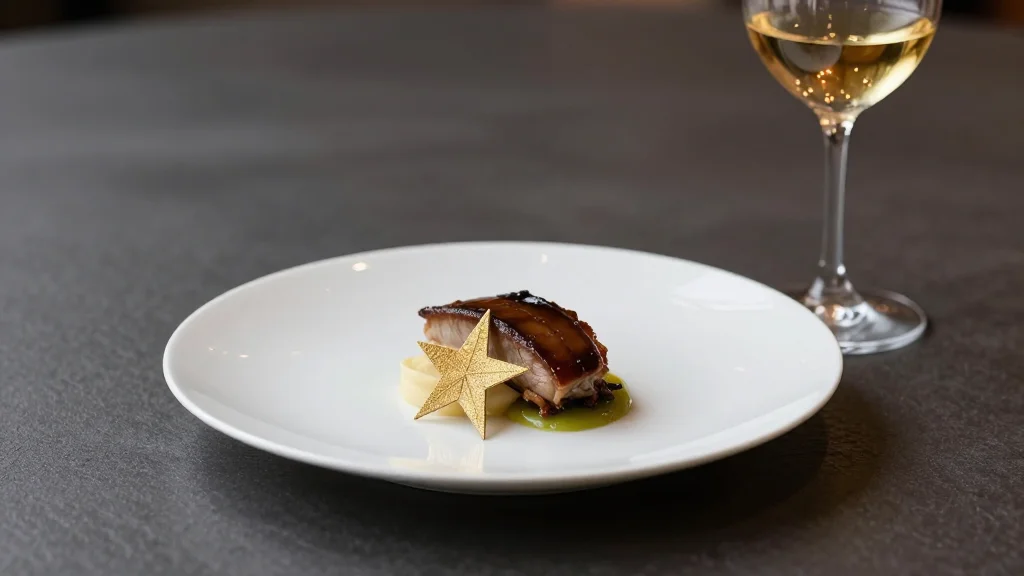
Michelin Guide Launches in Australia, Sets Star and Bib Gourmand Standards

Companies Mentioned
Why It Matters
The Michelin Guide’s entry into Australia creates a globally recognised quality seal that can elevate local restaurants onto the world stage, potentially increasing tourism revenue and encouraging culinary innovation. By defining clear criteria for both stars and Bib Gourmand awards, the guide also offers a framework for chefs to benchmark their offerings against international standards, which could drive improvements in ingredient sourcing, technique and consistency. At the same time, the guide’s presence may reshape the competitive dynamics of the Australian food sector. Fine‑dining establishments may intensify their pursuit of accolades, while casual venues could leverage the Bib Gourmand to attract price‑sensitive diners seeking quality. The balance between preserving Australia’s diverse food culture and aligning with Michelin’s traditionally Eurocentric benchmarks will be a key narrative as the guide’s influence unfolds.
Key Takeaways
- •Michelin Guide will launch its first Australian edition in South Australia after a government partnership.
- •Star awards are based on five criteria: ingredient quality, technical mastery, harmony of flavours, chef personality and consistency.
- •Bib Gourmand recognises eateries offering a full three‑course menu at a price below a locally‑adjusted ceiling.
- •The guide aims to boost culinary tourism and provide a new benchmark for Australian restaurants.
- •Inspections begin in the coming months, with the inaugural guide expected before the holiday season.
Pulse Analysis
The introduction of the Michelin Guide into Australia marks a strategic expansion for the brand, aligning with its recent moves into emerging markets such as the Middle East and Southeast Asia. Historically, the guide’s arrival has acted as a catalyst for restaurant investment, with star‑winning venues often experiencing a surge in bookings and price premiums. In Australia, where the hospitality sector has rebounded from pandemic disruptions, the guide could accelerate a shift toward higher‑end dining experiences, prompting chefs to source premium local produce and refine techniques to meet the five‑point criteria.
However, the guide’s reputation for favouring European fine‑dining aesthetics may clash with Australia’s multicultural food scene, which includes strong influences from Asian, Middle Eastern and Indigenous cuisines. Restaurants that successfully blend these traditions while satisfying Michelin’s standards could set a new benchmark for global gastronomy, positioning Australia as a leader in innovative, cross‑cultural cuisine. The Bib Gourmand category offers a counterbalance, giving visibility to value‑oriented establishments and potentially democratising the guide’s impact across a broader spectrum of the market.
Looking ahead, the guide’s success will hinge on its ability to adapt its evaluation framework to local contexts without diluting its brand equity. If the South Australian government’s promotional support translates into measurable tourism growth, other states may vie for hosting rights, sparking a competitive landscape for culinary prestige across the nation. The next few months will reveal whether the Michelin brand can integrate seamlessly into Australia’s vibrant food ecosystem while preserving the distinctiveness that defines its culinary identity.
Michelin Guide Launches in Australia, Sets Star and Bib Gourmand Standards
Comments
Want to join the conversation?
Loading comments...