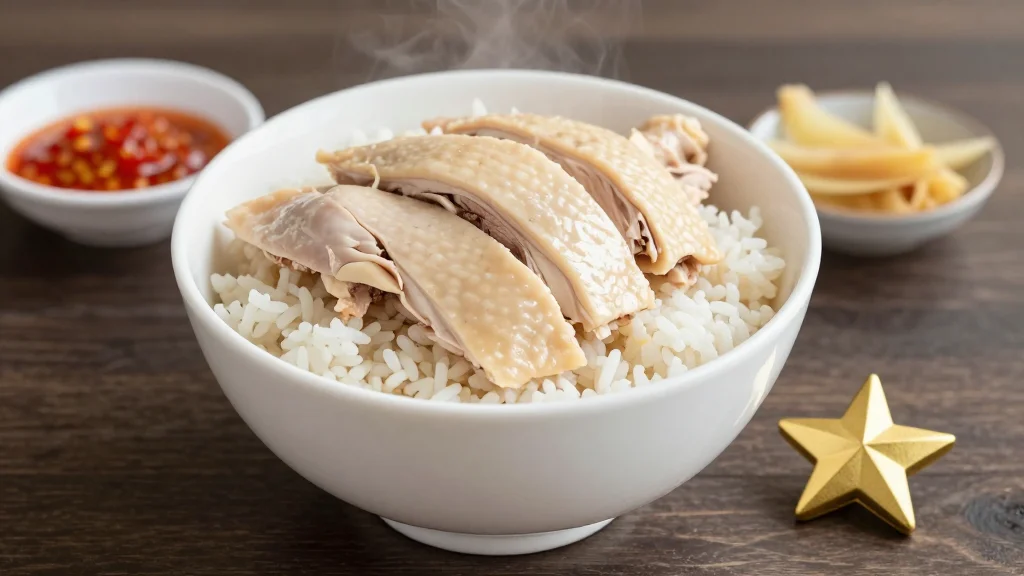
Michelin Guide's 'Best Chicken Rice' List Sparks Heated Debate in Singapore

Why It Matters
The Michelin Guide’s foray into Singapore’s hawker scene illustrates the growing clout of international rating systems on everyday food culture. A single endorsement can sway tourist itineraries, affect stall revenues, and even influence pricing strategies for low‑cost dishes that have historically been accessible to all. Moreover, the backlash highlights a rising consumer demand for transparency in how such lists are compiled, suggesting that future culinary rankings may need to balance expert opinion with community sentiment to retain credibility. In a broader context, the dispute underscores the tension between heritage preservation and commercial commodification. As Singapore leverages its hawker heritage for tourism, external accolades like Michelin’s can both elevate the profile of local cuisine and threaten the authenticity that makes it unique. Policymakers and industry stakeholders will need to navigate these dynamics to ensure that global recognition does not erode the very cultural fabric that draws visitors in the first place.
Key Takeaways
- •May 12: Michelin Guide posts Instagram list of 10 "best chicken rice" stalls in Singapore.
- •Tian Tian Hainanese Chicken Rice and Margaret Drive Sin Kee among the featured eateries.
- •Netizens criticize selections, citing inconsistent taste, high prices, and omitted favorites like Wee Nam Kee.
- •Debate highlights tension between global culinary ratings and Singapore's hawker heritage.
- •Potential for Michelin to revise methodology after public backlash.
Pulse Analysis
Michelin’s entry into the hawker arena marks a strategic pivot from its traditional focus on fine dining to mass‑market culinary experiences. This shift aligns with the guide’s broader effort to capture younger, social‑media‑savvy audiences who seek authentic street food experiences. However, the Singapore backlash reveals a miscalculation: the guide underestimated the emotional attachment locals have to their hawker staples and the importance of price sensitivity in a market where a plate of chicken rice typically costs under $5.
Historically, Michelin’s star system has been a catalyst for restaurant transformations, often leading to price hikes and menu overhauls. In Singapore, where hawker stalls operate on razor‑thin margins, such pressure could force owners to either upscale their offerings—risking alienation of regular patrons—or maintain status quo and potentially lose the prestige that could attract tourists. The guide’s lack of explanatory notes on Instagram exacerbated the issue, as diners felt excluded from the decision‑making process. Future lists may need to incorporate community voting or at least publish tasting criteria to mitigate backlash.
Looking forward, the episode could set a precedent for how global culinary institutions engage with local food ecosystems. If Michelin adapts by providing greater transparency and perhaps a tiered rating that acknowledges price points, it could foster a collaborative relationship that benefits both the guide’s brand and Singapore’s hawker community. Conversely, ignoring the outcry may erode trust and diminish the guide’s relevance in markets where food culture is deeply democratic and community‑driven.
Michelin Guide's 'Best Chicken Rice' List Sparks Heated Debate in Singapore
Comments
Want to join the conversation?
Loading comments...