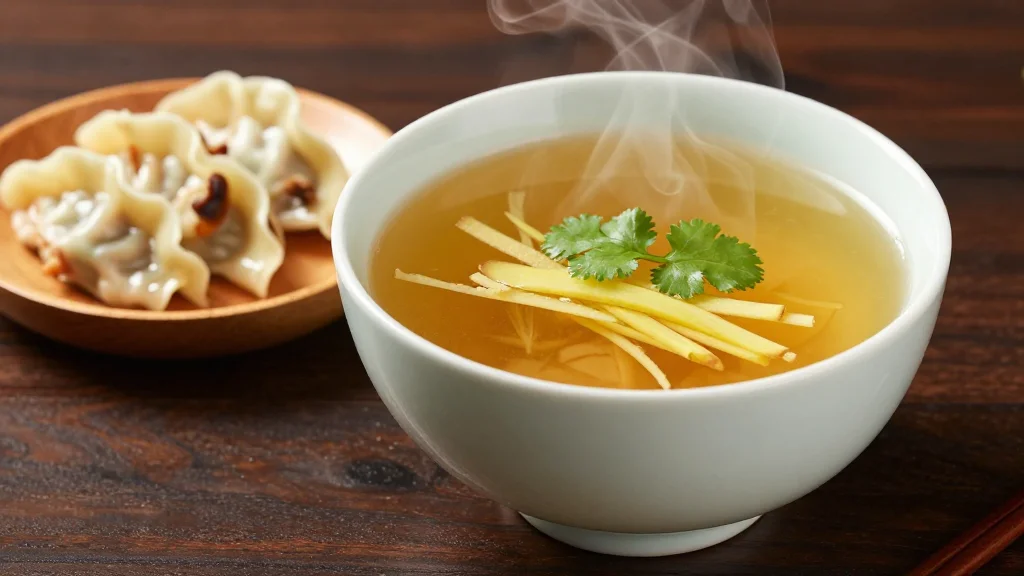
Michelin-Starred Chef Cai Launches Hakka Banquet at Hsinchu’s New ‘滿月樓’

Companies Mentioned
Why It Matters
The launch of “滿月樓” signals a pivotal shift in how Taiwan’s regional cuisines can be re‑imagined for upscale markets. By marrying Michelin‑level culinary execution with scholarly research, the project demonstrates that heritage foods can command premium pricing while preserving cultural identity. The charitable component further embeds the restaurant within the community, offering a model where gastronomy fuels both economic and social value. If successful, the Hsinchu venture could inspire similar collaborations across Asia, encouraging governments, universities, and chefs to co‑create dining experiences that both celebrate and monetize culinary traditions. This could broaden the global palate for Hakka cuisine and reinforce Taiwan’s reputation as a hub for innovative, heritage‑driven gastronomy.
Key Takeaways
- •Michelin‑starred chef Cai Rui‑lang opened “滿月樓” in Hsinchu’s Lakeside Hall in May 2026.
- •The flagship banquet “姜家茶金宴” costs NT$1,980 (≈ US$63) per guest, including a 10% service charge.
- •First Taiwan‑wide academic‑industry partnership with National Yang‑Ming Chiao‑Tang University Hakka Culture Institute.
- •Portion of banquet revenue donated to the Jiang A‑Xin Education Foundation for cultural and educational programs.
- •Menu blends traditional Hakka dishes with haute‑cuisine techniques, featuring rare ingredients like white Roman goose and mullet roe.
Pulse Analysis
Cai’s entry into Hsinchu’s high‑end market reflects a broader trend of chefs leveraging heritage cuisine to differentiate in a saturated fine‑dining landscape. By anchoring the experience in rigorous academic research, “滿月樓” offers authenticity that resonates with both local diners and international tourists seeking genuine cultural narratives. The price point, while modest by global Michelin standards, aligns with Taiwan’s mid‑range luxury segment, making the banquet accessible yet exclusive.
Historically, Hakka food has been positioned as hearty, utilitarian fare. Cai’s reinterpretation—elevating fermented sauces, herbal broths, and regional proteins—reframes these elements as sophisticated flavor profiles. This could catalyze a revaluation of other regional cuisines, prompting restaurateurs to seek scholarly partnerships that lend credibility and storytelling depth. Moreover, the charitable tie‑in may become a differentiator, appealing to socially conscious consumers and setting a benchmark for corporate responsibility in the culinary sector.
Looking ahead, the restaurant’s success will hinge on its ability to maintain culinary excellence while scaling the academic collaboration. If demand outpaces capacity, Cai may need to replicate the model in other cities, potentially creating a network of heritage‑driven fine‑dining venues. Such expansion could amplify Taiwan’s culinary export potential, positioning Hakka cuisine alongside sushi and dim sum as a globally recognized gastronomic brand.
Michelin-Starred Chef Cai Launches Hakka Banquet at Hsinchu’s New ‘滿月樓’
Comments
Want to join the conversation?
Loading comments...