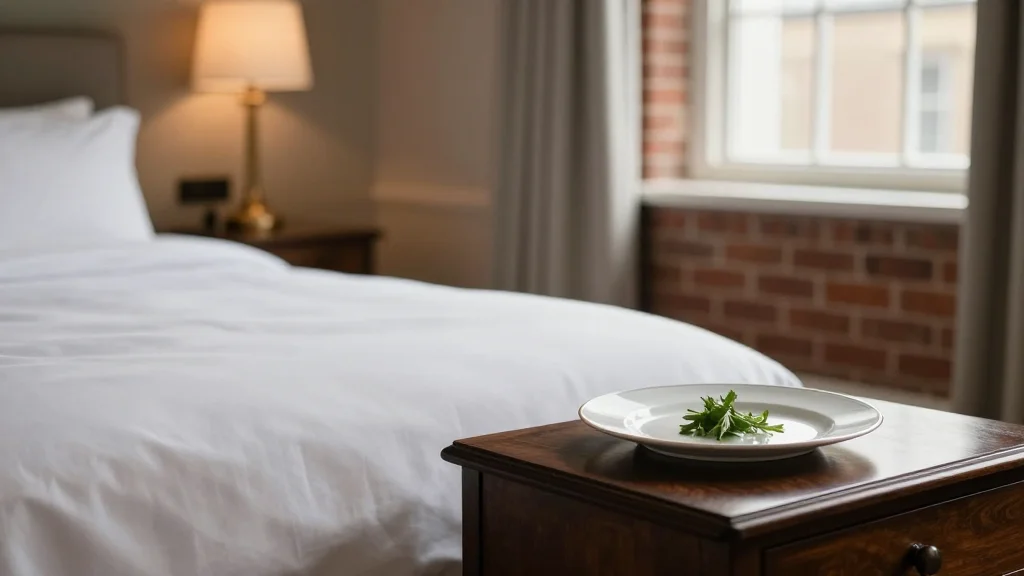
Michelin-Starred Lyla Adds Four Boutique Rooms to Edinburgh Georgian Townhouse

Why It Matters
Lyla’s boutique‑room launch illustrates how fine‑dining operators are diversifying revenue streams amid a post‑pandemic market that values immersive, multi‑sensory experiences. By converting existing space into high‑margin accommodation, restaurants can capture a larger share of a guest’s spend while deepening brand loyalty. The initiative also signals a shift in consumer expectations: travelers increasingly view dining as part of a broader lifestyle narrative. As more culinary destinations adopt a hotel component, the line between restaurant and boutique hotel will blur, prompting traditional hoteliers to rethink service models and prompting regulators to consider zoning and licensing implications for mixed‑use properties.
Key Takeaways
- •Lyla adds four boutique bedrooms—Aster, Linden, Samphire, Purslane—to its Georgian townhouse.
- •Rooms designed by Scarinish Studio blend historic architecture with modern textures and Scottish craftsmanship.
- •Guests receive a curated hospitality journey, from aperitif to a 10‑course tasting menu and in‑room breakfast.
- •Chef Stuart Ralston expands his portfolio, building on previous ventures like Aizle, Noto, and Parisian bar Vinette.
- •The expansion reflects a growing trend of experience‑focused luxury hospitality in historic city centers.
Pulse Analysis
Lyla’s hybrid model taps into a niche where culinary prestige meets boutique lodging, a segment that has been under‑exploited in the UK. Historically, Michelin‑starred restaurants have remained pure dining venues, relying on reservation revenue and occasional private events. By adding high‑margin rooms, Lyla not only diversifies income but also creates a captive audience for its tasting menu, potentially smoothing revenue volatility caused by seasonal tourism fluctuations.
From a competitive standpoint, the move could pressure other elite eateries in Edinburgh and beyond to consider similar expansions. The capital efficiency of repurposing existing space—rather than constructing a new hotel—lowers entry barriers, making the model replicable for establishments with suitable real estate. However, success hinges on maintaining culinary excellence while delivering consistent hospitality standards; any lapse could dilute the brand’s premium perception.
Looking ahead, the model may influence city planning and hospitality regulations, as mixed‑use properties become more common. Policymakers might need to address licensing, fire safety, and tax structures that currently differentiate restaurants from hotels. If Lylya’s occupancy and guest satisfaction metrics prove strong, investors could view experiential hospitality as a viable growth avenue, potentially spurring a wave of capital into boutique culinary retreats across Europe and North America.
Michelin-Starred Lyla Adds Four Boutique Rooms to Edinburgh Georgian Townhouse
Comments
Want to join the conversation?
Loading comments...