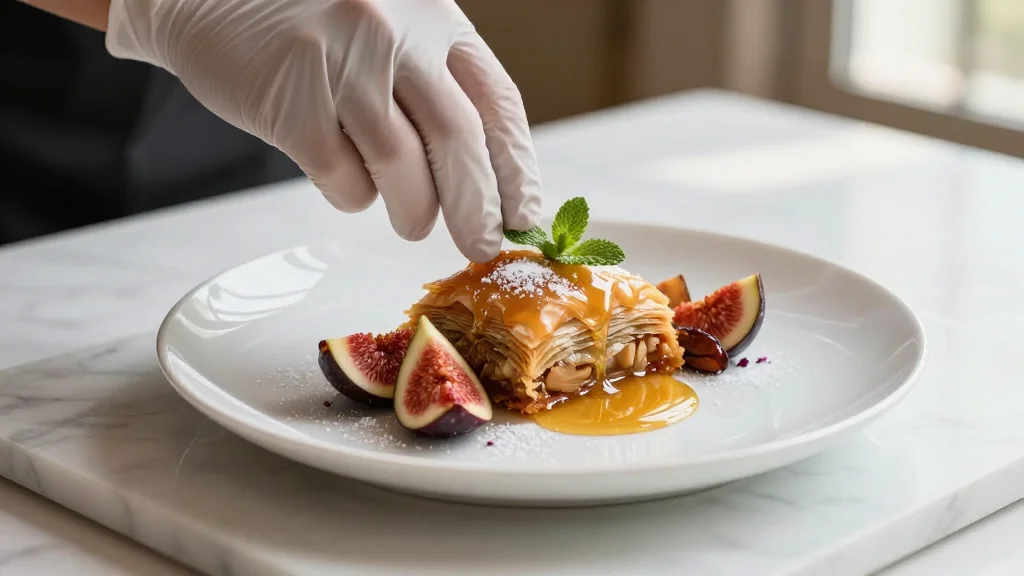
Michelin-Trained Chef Sumaiya Bangee Launches Thuluthan to Modernize Sunnah Cuisine

Companies Mentioned
Why It Matters
Thuluthan’s launch highlights a growing appetite for food experiences that marry cultural heritage with modern health narratives. By foregrounding Islamic dietary wisdom, the venture challenges the dominant Euro‑centric culinary discourse and offers a template for other faith‑based food entrepreneurs. Its success could reshape how retailers source and market culturally specific products, prompting a broader reevaluation of authenticity versus innovation in the food industry. Furthermore, the initiative taps into the wellness market’s shift toward functional ingredients rooted in tradition. As consumers seek foods that promise both nutritional benefits and cultural resonance, Thuluthan’s model may accelerate the mainstreaming of historically marginalised cuisines, influencing menu development in restaurants, product pipelines in food manufacturers, and investment flows toward niche culinary startups.
Key Takeaways
- •Sumaiya Bangee, Michelin‑trained pastry chef, launches Thuluthan with co‑founder Saleh Alkhalaf.
- •Thuluthan reinterprets Sunnah foods, starting with talbina pancakes served with date syrup.
- •The brand aims to blend prophetic culinary wisdom with modern wellness trends.
- •Launch targets faith‑focused consumers and the growing functional‑food market.
- •Next step: limited‑edition tasting menu in U.S. cities slated for summer 2026.
Pulse Analysis
Thuluthan’s debut signals a strategic pivot in the specialty food sector, where cultural authenticity is increasingly leveraged as a growth engine. Historically, faith‑based food brands have remained niche, often confined to community markets. By positioning prophetic dishes within a Michelin‑level framework, Bangee elevates the narrative from heritage preservation to culinary innovation, potentially unlocking premium pricing and broader distribution.
The venture also arrives at a moment when investors are allocating capital toward health‑centric, culturally resonant products. If Thuluthan can demonstrate scalable demand—through pop‑ups, retail partnerships and a compelling story—it may attract venture funding that could accelerate product development and geographic expansion. However, the brand must balance commercial ambitions with the risk of cultural commodification; missteps could provoke backlash from religious communities and erode trust.
In the longer term, Thuluthan could catalyse a wave of similar enterprises, prompting larger food conglomerates to acquire or partner with niche faith‑based startups. This would deepen the integration of diverse culinary traditions into mainstream offerings, reshaping consumer expectations and expanding the definition of ‘modern’ cuisine beyond Western paradigms.
Michelin-Trained Chef Sumaiya Bangee Launches Thuluthan to Modernize Sunnah Cuisine
Comments
Want to join the conversation?
Loading comments...