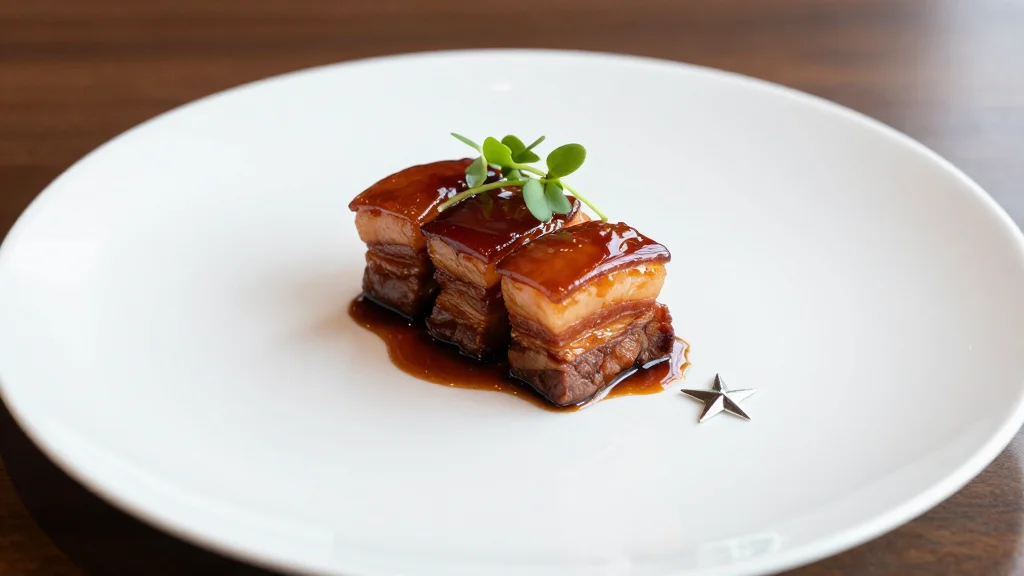
Michelin Unveils First Combined Guide for Shanghai, Jiangsu and Zhejiang

Companies Mentioned
Why It Matters
The combined Shanghai‑Jiangsu‑Zhejiang guide signals Michelin’s confidence in the maturity of China’s fine‑dining sector, offering diners a trusted reference that spans the economic heart of the country. By consolidating three regions, the guide amplifies visibility for restaurants that might otherwise compete for attention in fragmented listings, potentially driving tourism, investment and talent to the Yangtze River Delta. For restaurateurs, inclusion in the guide—especially with new star awards—can translate into heightened brand prestige, increased reservations and stronger negotiating power with suppliers. The guide also provides a barometer for culinary trends, indicating where consumer preferences are shifting toward specialized, high‑quality experiences.
Key Takeaways
- •Michelin’s first combined guide covers Shanghai, Jiangsu and Zhejiang
- •156 restaurants featured across 35 cuisines
- •Three restaurants promoted to two MICHELIN Stars in Shanghai
- •Three new establishments earn their first MICHELIN Star
- •Guide highlights the synergistic strength of the Yangtze River Delta dining market
Pulse Analysis
Michelin’s decision to merge Shanghai, Jiangsu and Zhejiang into a single guide reflects a strategic response to the rapid upscale of China’s dining landscape. Historically, Michelin entered mainland China with city‑specific editions—Beijing, Shanghai, Guangzhou—each serving as a market test. The new combined edition acknowledges that the culinary ecosystems of these three provinces have become interdependent, sharing supply chains, chef talent and a clientele that travels across the delta for premium experiences.
From a market perspective, the guide’s emphasis on diversity and segmentation aligns with broader consumer trends in China, where affluent diners are seeking niche experiences—from hyper‑local regional dishes to globally inspired fine dining. The promotion of three Shanghai restaurants to two stars and the addition of three first‑time stars suggest that the Michelin evaluation criteria are adapting to recognize not just traditional French or Italian excellence but also innovative interpretations of Chinese cuisine.
Looking forward, the combined guide could reshape competitive dynamics. Restaurants now compete on a larger stage, prompting owners to invest in service standards, ingredient sourcing and chef development to meet Michelin’s expectations. At the same time, the guide’s broader reach may attract international culinary talent to the delta, further elevating the region’s profile. If Michelin continues this multi‑province approach, we may see a cascade of similar editions in other high‑growth Chinese markets, reinforcing the brand’s role as a global arbiter of culinary quality while deepening its influence on China’s restaurant economics.
Michelin Unveils First Combined Guide for Shanghai, Jiangsu and Zhejiang
Comments
Want to join the conversation?
Loading comments...