Michelin‑Recognized Alteño to Open in Austin’s Tallest Hotel Tower

Companies Mentioned
Why It Matters
Alteño’s entry into Austin signals the city’s evolution from a regional food hub to a national fine‑dining destination. By situating a Michelin‑recognized concept within the state’s tallest hotel tower, the project blends hospitality, tourism, and culinary prestige, potentially reshaping visitor expectations and driving higher spending in the local economy. The move also illustrates how chefs are leveraging heritage cuisine to capture upscale markets, setting a template for other culturally rooted concepts seeking expansion. For investors, the development offers a case study in how luxury hotels can differentiate themselves through curated dining experiences. The partnership may encourage further collaborations between hotel operators and acclaimed restaurateurs, accelerating the convergence of hospitality and high‑end gastronomy in fast‑growing metros like Austin.
Key Takeaways
- •Alteño, a Michelin‑recommended Mexican restaurant, will open in summer 2026 inside 1 Hotel Austin.
- •The 1 Hotel Austin tower will be 74 stories tall, becoming Texas’s tallest building.
- •Chef Johnny Curiel and co‑founder Kasie Curiel lead the expansion through Fonda Fina Hospitality.
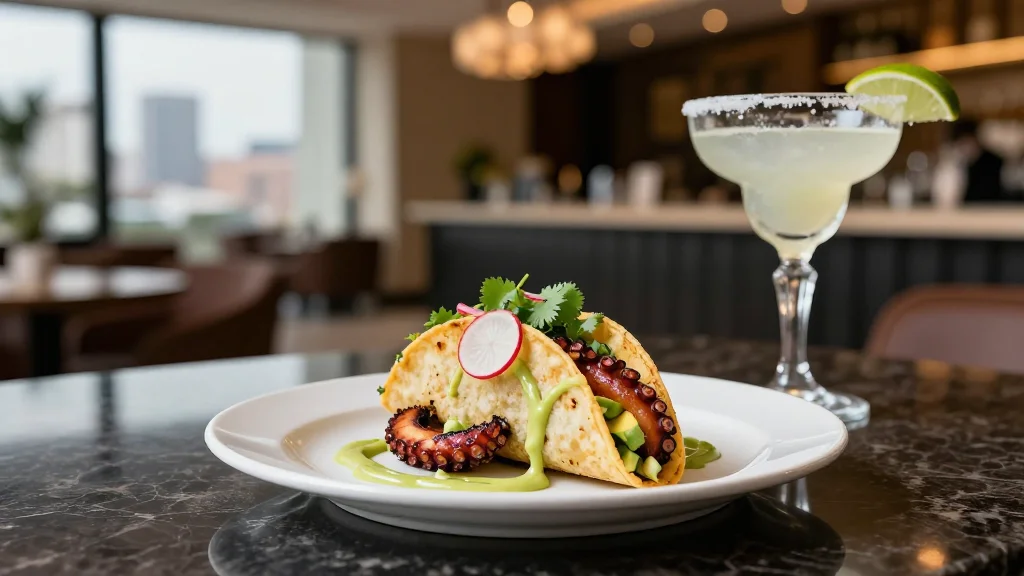
- •The restaurant focuses on Jalisco Highlands cuisine, emphasizing open‑fire cooking and family recipes.
- •The project reflects a broader trend of luxury hotels integrating destination‑grade dining to boost revenue.
Pulse Analysis
Alteño’s Austin debut illustrates a convergence of three market forces: the rise of upscale Mexican cuisine, the premiumization of hotel amenities, and the rapid vertical growth of Austin’s downtown core. Historically, Mexican food in the United States has been dominated by casual, fast‑casual concepts. Over the past decade, chefs like Johnny Curiel have elevated the narrative, positioning Mexican regional dishes alongside French and Japanese fine‑dining benchmarks. The Michelin nod for the Denver flagship validates this shift and provides a credential that can be leveraged in new markets.
From a hospitality perspective, 1 Hotel’s brand identity centers on sustainability and experiential travel. By embedding Alteño, the hotel not only adds a culinary draw but also aligns with a growing consumer appetite for authentic, story‑driven dining. This symbiosis can translate into higher average daily rates and longer guest stays, especially as business travelers and tourists seek integrated experiences. Competitors in Austin—such as the emerging fine‑dining Mexican spots in the East Austin corridor—will need to differentiate through either price, location, or unique culinary narratives.
Looking ahead, the success of Alteño could spur a wave of similar partnerships, where boutique chefs partner with luxury developers to secure prime real estate and built‑in clientele. Investors should monitor reservation trends, average check sizes, and ancillary revenue streams (e.g., private dining, branded merchandise) as early indicators of the model’s scalability. If Alteño captures sustained demand, it may set a precedent for other regional cuisines to pursue Michelin‑level ambition in secondary markets, reshaping the national fine‑dining map.
Michelin‑Recognized Alteño to Open in Austin’s Tallest Hotel Tower
Comments
Want to join the conversation?
Loading comments...