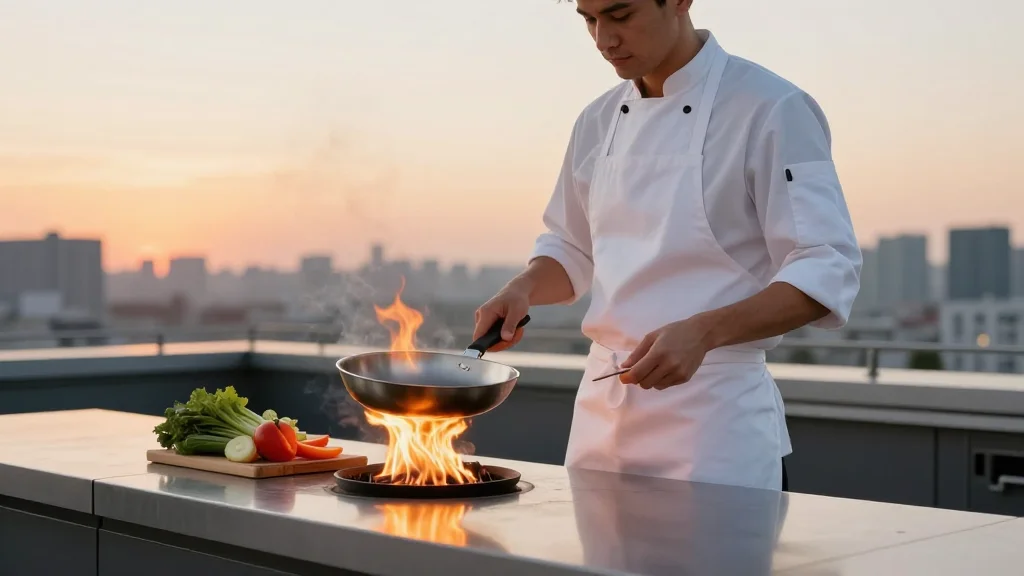
Michelin‑Starred Pine Team to Open Live‑Fire Restaurant Pyr in Newcastle

Why It Matters
Pyr’s opening signals a shift in British fine‑dining toward experiential, fire‑driven cooking that foregrounds regional produce. By anchoring a major mixed‑use development, the Byerleys are leveraging Newcastle’s industrial legacy to create a destination that can attract both local patrons and culinary tourists, potentially boosting the city’s hospitality revenues. The concept also highlights a growing consumer appetite for transparent sourcing and cooking methods that emphasize flavor through smoke and char, trends that could reshape menus across the UK’s upscale restaurant sector. Furthermore, Pyr’s integration into Freight Island’s broader food programme illustrates how large‑scale urban redevelopment projects are increasingly incorporating high‑profile culinary anchors to drive foot traffic and brand identity. Success here may encourage other cities to adopt similar models, blending real estate development with flagship dining experiences to revitalize urban cores.
Key Takeaways
- •Michelin‑starred chefs Cal and Siân Byerley launch Pyr on Aug. 6 at Newcastle’s Freight Island.
- •Pyr features a custom live‑fire kitchen overseen by head chef Ian Waller.
- •Menu pricing: snacks from £5 (~$6.30), small plates from £10 (~$12.60), mains from £30 (~$38), desserts from £8 (~$10).
- •The 60,000‑sq‑ft rooftop venue anchors a development with 12 independent kitchens and four bars.
- •Pyr aims to showcase North‑East ingredients, reinforcing regional sourcing trends in UK fine dining.
Pulse Analysis
Pyr represents a strategic evolution for the Pine brand, moving from a single Michelin‑starred establishment to a multi‑venue concept that leverages theatrical fire cooking. This pivot aligns with a broader industry trend where chefs are using dramatic techniques—such as open‑flame grills, wood‑fired ovens, and charcoal—to differentiate their offerings in a crowded market. By embedding Pyr within Freight Island, the Byerleys are not only securing a prime location but also tapping into the synergies of a mixed‑use development that promises steady foot traffic from non‑dining activities like music events and screenings.
The focus on hyper‑local sourcing underscores a post‑pandemic consumer shift toward transparency and sustainability. By highlighting day‑boat fish and heritage farm meats, Pyr can command premium pricing while reinforcing a narrative of regional authenticity. Competitors in the North‑East will likely feel pressure to elevate their own sourcing stories or adopt similar fire‑centric concepts to stay relevant.
Looking ahead, Pyr’s performance will be a litmus test for the viability of large‑scale, fire‑focused fine‑dining venues in secondary UK cities. If successful, it could spur a wave of similar projects, encouraging investors to pair culinary anchors with urban regeneration schemes. Conversely, operational challenges—such as managing smoke control in a dense city environment—could temper enthusiasm. The next few months will reveal whether Pyr can sustain its initial buzz and translate it into lasting market impact.
Michelin‑Starred Pine Team to Open Live‑Fire Restaurant Pyr in Newcastle
Comments
Want to join the conversation?
Loading comments...