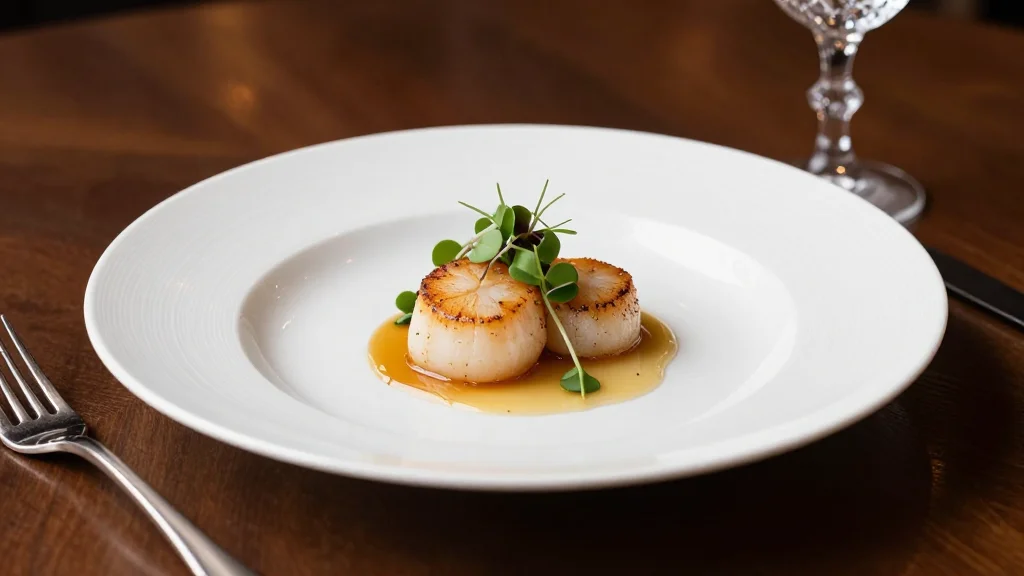
Michelin‑Starred Restaurants Join Global ‘Pay What You Can’ Day on Aug. 26

Companies Mentioned
Why It Matters
The Pay‑What‑You‑Can day tackles a long‑standing tension in the food sector: the desire for culinary excellence versus the financial barriers that keep many diners away. By allowing guests to set their own price, the initiative tests whether trust‑based pricing can coexist with the high‑cost structures of Michelin‑starred kitchens. If successful, it could inspire a wave of more inclusive dining models, prompting restaurants to rethink revenue streams and community engagement. Beyond the immediate social impact, the experiment offers a rare data set on consumer behavior in a high‑end context. Insights into tip generosity, average spend and repeat‑visit intent could inform future pricing strategies, subscription services, or tiered menu concepts. For investors and operators, the outcome may signal whether such socially driven initiatives can be scaled without compromising profitability, potentially reshaping the economics of the fine‑dining segment.
Key Takeaways
- •Over 50 restaurants worldwide, including Michelin‑starred Kabawa (NYC) and Oyster Oyster (DC), will participate on Aug. 26.
- •The initiative is led by Norma Listman and Saqib Keval of Masala y Maíz, who have run an annual pay‑what‑you‑can day in Mexico City since 2020.
- •Last year’s pilot involved 31 Mexico‑City restaurants, featuring one‑Michelin‑starred Expendio de Maiz Sin Nombre and Michelin Green Star winner Baldio.
- •Diners choose their payment amount and tip percentage; staff tips have historically matched or exceeded regular‑night levels.
- •Organizers will collect post‑event data to evaluate financial viability and potential for making the day an annual global event.
Pulse Analysis
The August 26 pay‑what‑you‑can day arrives at a moment when the fine‑dining industry is wrestling with inflationary pressures, labor shortages and a consumer base that increasingly values experience over exclusivity. Historically, Michelin‑starred establishments have relied on fixed, premium pricing to justify the labor‑intensive service and ingredient costs that define their brand. By temporarily suspending that model, the initiative forces a real‑time experiment in trust economics—a concept more common in the gig economy than in haute cuisine.
If the data shows that diners are willing to pay amounts that sustain kitchen operations while still feeling empowered, it could embolden other high‑end operators to adopt hybrid pricing structures. For example, a sliding‑scale menu could become a permanent feature on slower nights, smoothing revenue volatility without diluting brand prestige. Conversely, a shortfall could reinforce the necessity of traditional pricing, especially for restaurants with thin margins and high fixed costs.
From a competitive standpoint, early adopters may gain a reputational edge, positioning themselves as socially responsible innovators. This could attract a younger, more diverse clientele that values inclusivity, potentially translating into long‑term loyalty. However, the initiative also risks backlash from stakeholders who view such pricing experiments as gimmicks that undermine the perceived value of culinary craftsmanship. The coming months will reveal whether the pay‑what‑you‑can model can bridge the gap between accessibility and sustainability, or whether it remains a one‑day curiosity in an industry that largely depends on price as a signal of quality.
Michelin‑Starred Restaurants Join Global ‘Pay What You Can’ Day on Aug. 26
Comments
Want to join the conversation?
Loading comments...