Michelin‑trained Chef Jacob Harth Launches Bayocean Oyster House to Revive Oregon Coast Seafood

Companies Mentioned
Why It Matters
Jacob Harth’s Bayocean Oyster House tackles two entrenched challenges in the Pacific Northwest: the over‑reliance on imported seafood and the export of locally caught species. By turning invasive green crabs into a menu highlight, the restaurant offers a scalable model for turning ecological problems into culinary opportunities. If other chefs adopt similar approaches, the cumulative effect could reshape supply chains, keep more fish and shellfish in regional economies, and reduce pressure on overfished stocks. The project also underscores a broader trend of chefs leveraging Michelin‑level expertise to champion sustainability at the community level. As diners increasingly seek transparent, locally sourced meals, restaurants like Bayocean could become the nexus where high‑end culinary standards meet grassroots environmental stewardship, influencing both consumer habits and policy discussions around fisheries management.
Key Takeaways
- •Chef Jacob Harth, former Michelin‑starred chef, opens Bayocean Oyster House on Oregon coast in spring 2027
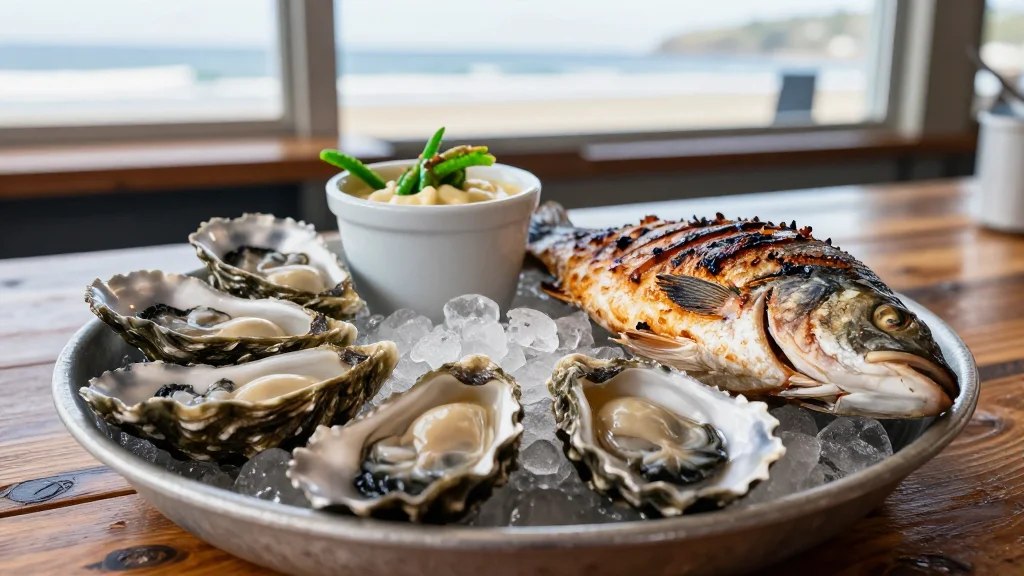
- •Menu focuses on local oysters, grilled fish and bisque made from invasive green crabs
- •Counter‑service model aims to keep more Oregon‑caught seafood on local plates
- •Addresses the 'Oregon seafood paradox' where 90% of local consumption is imported
- •Potential to influence regional supply chains and boost sustainable tourism
Pulse Analysis
Jacob Harth’s move from elite, reservation‑heavy dining to a modest counter‑service concept reflects a growing recognition that culinary influence can be wielded more effectively at scale than in exclusive settings. Historically, chefs have used star power to draw attention to food issues, but few have translated that clout into a business model that directly confronts supply‑chain inefficiencies. Harth’s decision to spotlight invasive green crabs is particularly savvy; it aligns with a national push to find market outlets for species that threaten ecosystems, turning a regulatory headache into a revenue stream.
The timing is also crucial. Post‑pandemic diners are more attuned to provenance and sustainability, and the Pacific Northwest’s tourism sector is eager for experiences that combine natural beauty with authentic local flavor. By situating Bayocean Oyster House near the Three Capes Scenic Loop, Harth taps into an existing visitor flow while offering a differentiated culinary draw. If the restaurant can maintain consistent quality and supply of local seafood, it could set a benchmark for other coastal communities grappling with similar export‑import imbalances.
Looking ahead, the success of Bayocean will likely hinge on three factors: the reliability of local fisheries to provide the needed volume of invasive crabs and bycatch, the ability to price sustainably sourced dishes competitively, and the effectiveness of marketing that frames the restaurant as both a gastronomic and environmental destination. Should these elements align, Harth’s venture could catalyze a ripple effect, encouraging more chefs to embed sustainability into the core of their menus rather than treating it as an ancillary concern.
Michelin‑trained chef Jacob Harth launches Bayocean Oyster House to revive Oregon Coast seafood
Comments
Want to join the conversation?
Loading comments...