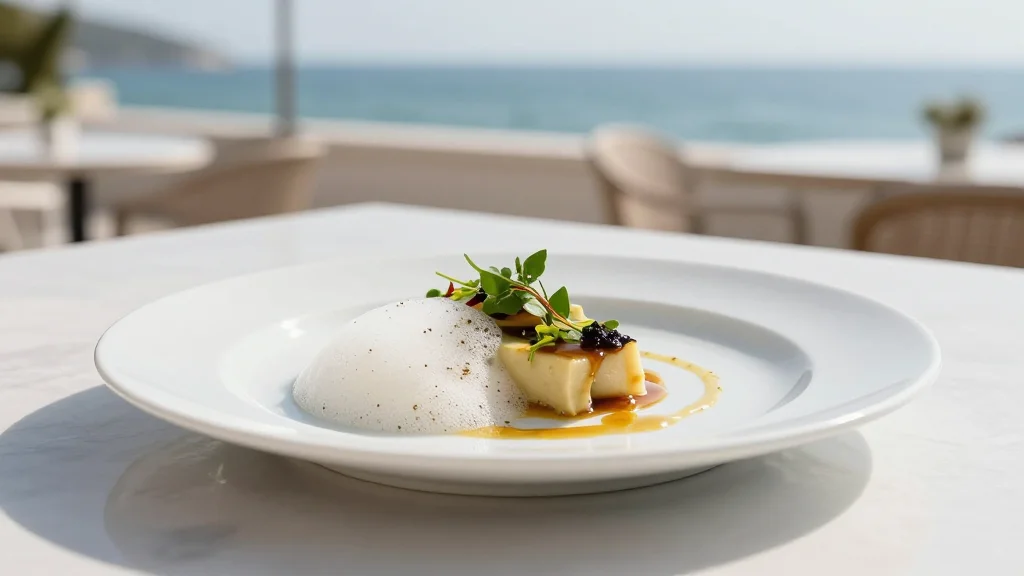
Mirazur Marks 20 Years with a Joint Menu by Mauro Colagreco and Ferran Adrià

Why It Matters
The Mirazur anniversary illustrates how top‑tier restaurants are leveraging chef collaborations to stay culturally relevant and attract a new generation of diners. By integrating experimental techniques with its established Mediterranean identity, Mirazur demonstrates that even the most celebrated kitchens must evolve to maintain prestige. The expansion into guest rooms and the public sharing of design processes signal a strategic pivot toward experiential hospitality. This could prompt other three‑star establishments to explore similar models, potentially reshaping the economics of fine dining and blurring the boundaries between restaurant and boutique hotel sectors.
Key Takeaways
- •Mirazur celebrated its 20th anniversary with a joint menu by Mauro Colagreco and Ferran Adrià
- •The menu featured an olive sphere referencing elBulli’s spherification technique
- •Restaurant unveiled a six‑month redesign project for the guest journey
- •Diego Masciaga, former Waterside Inn GM, oversaw service during the event
- •Mirazur announced plans to add guest rooms, extending the dining experience
Pulse Analysis
Mirazur’s anniversary menu is more than a celebratory offering; it is a strategic maneuver to cement the restaurant’s relevance in a market where culinary novelty is fleeting. By aligning with Ferran Adrià, Colagreco taps into a legacy of boundary‑pushing that resonates with both critics and a younger, experience‑hungry clientele. This partnership also serves as a litmus test for how traditional fine‑dining houses can incorporate avant‑garde techniques without alienating their core audience.
The decision to publicize internal design work and to introduce guest rooms reflects an emerging business model where elite restaurants become destination experiences. Revenue diversification through hospitality services mitigates the volatility of a single‑seat dining model and creates new touchpoints for brand loyalty. If Mirazur’s guest‑room rollout proves successful, it could accelerate a wave of similar integrations across the Michelin‑starred landscape, prompting investors to view high‑end restaurants as multi‑service assets rather than pure culinary ventures.
From a competitive standpoint, Mirazur’s move may pressure peers to pursue comparable collaborations or to accelerate their own experiential upgrades. The risk, however, lies in diluting the restaurant’s core identity; balancing innovation with the expectations of a discerning clientele will be critical. As the industry watches Mirazur’s next steps, the outcome will likely influence how luxury dining brands negotiate the tension between heritage and reinvention.
Mirazur Marks 20 Years with a Joint Menu by Mauro Colagreco and Ferran Adrià
Comments
Want to join the conversation?
Loading comments...