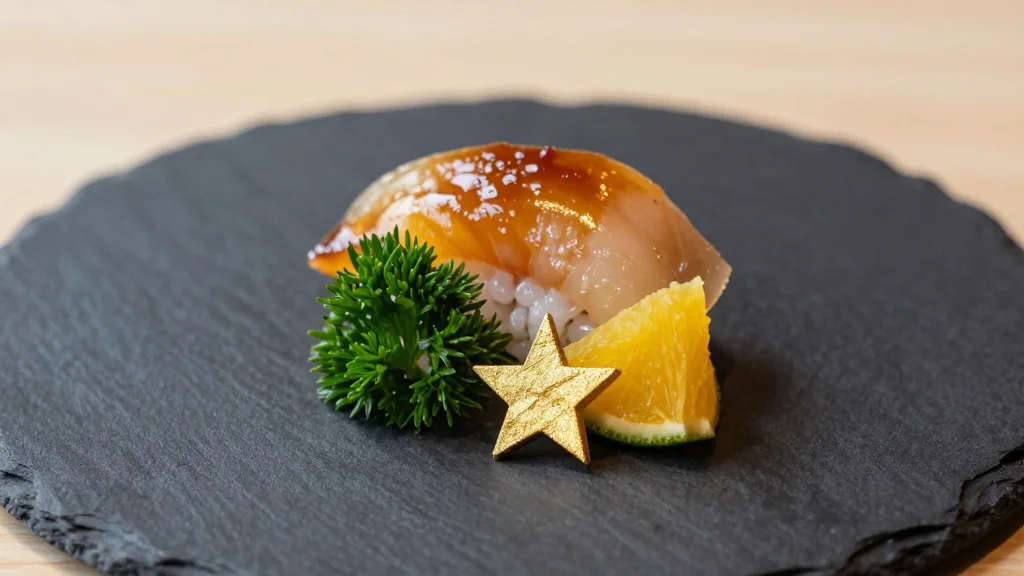
Miyamaso Wins Third Michelin Star, First New 3‑Star in Osaka‑Kyoto Since 2020

Companies Mentioned
Why It Matters
Miyamaso’s third star signals a shift in the Osaka‑Kyoto culinary hierarchy, where new entrants can break into a tightly contested elite. The recognition validates a business model that blends hyper‑local sourcing with a strong sustainability ethos, potentially inspiring other chefs to adopt similar practices. Moreover, the Mentor Chef Award given to Hideaki Matsuo highlights a parallel focus on talent development, suggesting that future Michelin evaluations may weigh mentorship and environmental stewardship alongside pure culinary skill. The broader impact extends to tourism and regional branding. As the Osaka‑Kyoto corridor attracts more high‑spending gastronomic tourists, a new three‑star venue diversifies the itinerary options, spreading economic benefits beyond the traditional downtown hubs. This could encourage local governments to invest further in culinary infrastructure and heritage preservation, reinforcing the area’s reputation as a world‑class food destination.
Key Takeaways
- •Miyamaso earned its third Michelin star, the first new three‑star restaurant in Osaka‑Kyoto since 2020
- •Chef Hisato Nakahigashi, who first received two stars in 2011, celebrated the achievement at a press conference
- •The region now hosts six three‑star restaurants in Kyoto and three in Osaka, out of 179 starred venues
- •Hideaki Matsuo received the Mentor Chef Award for his work in sustainability and chef education
- •The award may boost tourism and encourage other chefs to prioritize local sourcing and environmental practices
Pulse Analysis
Miyamaso’s ascent to three stars reflects a broader evolution in Japan’s fine‑dining sector, where the Michelin jury is rewarding not just technical perfection but also narrative depth—stories of place, seasonality, and ecological responsibility. Historically, the Osaka‑Kyoto corridor has been dominated by legacy establishments that earned stars through decades of refinement. Miyamaso’s breakthrough suggests that newer concepts, especially those rooted in hyper‑local terroir, can now compete on equal footing.
From a market perspective, the new star is likely to trigger a ripple effect. High‑end restaurants often see a surge in reservations and price elasticity after a Michelin upgrade; Miyamaso can expect a similar demand spike, which may pressure nearby venues to differentiate through unique experiences or collaborations. Simultaneously, the Mentor Chef Award to Hideaki Matsuo underscores an emerging metric: the chef’s role as a steward of the next generation and the environment. As sustainability becomes a more visible criterion, we may see future guides incorporating measurable ESG indicators into their assessments.
Looking forward, the 2027 Michelin Guide will test whether this trend endures. If Miyamaso maintains its three‑star status while expanding mentorship programs, it could set a template for a new breed of Japanese restaurants that blend culinary artistry with social responsibility. Such a model would not only preserve the region’s gastronomic heritage but also future‑proof it against shifting consumer values and regulatory pressures.
Miyamaso Wins Third Michelin Star, First New 3‑Star in Osaka‑Kyoto Since 2020
Comments
Want to join the conversation?
Loading comments...