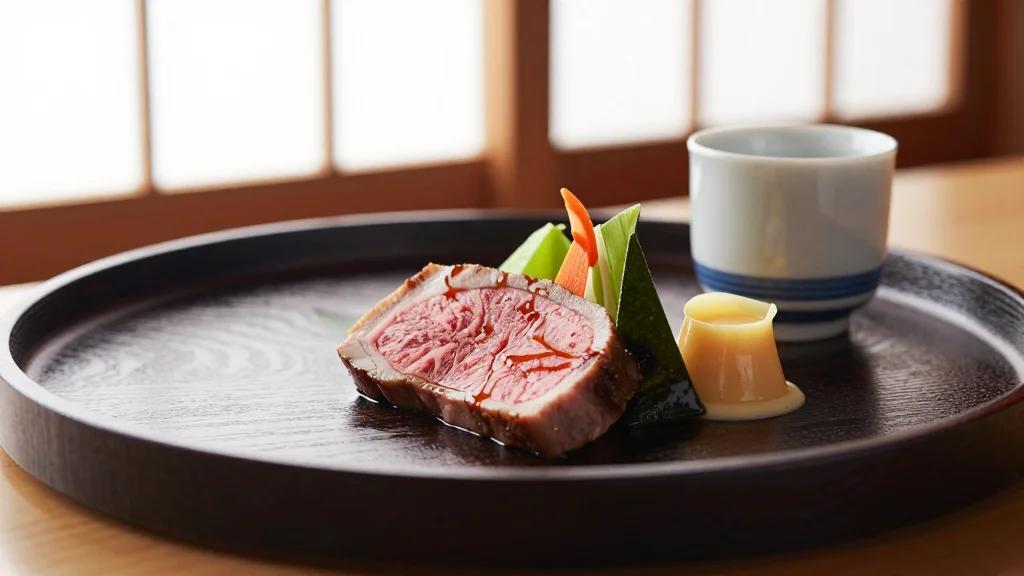
Miyamaso Wins Three Michelin Stars, First New Three‑Star Spot in Kyoto Since 2020

Companies Mentioned
Why It Matters
The three‑star designation cements Miyamaso’s status among the world’s culinary elite, drawing international attention to Kyoto’s fine‑dining scene and reinforcing the city’s reputation as a hub for innovative, terroir‑driven cuisine. The award also validates the Michelin Guide’s emphasis on sustainability, as Miyamaso retains its Green Star, signaling to chefs and restaurateurs that eco‑friendly practices can coexist with the highest levels of culinary excellence. Michelin’s digital ambitions, highlighted in the guide’s commentary, could democratize access to top‑tier dining information, making it easier for travelers to discover hidden gems like Miyamaso. This shift may accelerate competition among restaurants to differentiate through technology, data‑driven marketing, and unique, locally sourced menus, reshaping the Japanese fine‑dining market in the coming decade.
Key Takeaways
- •Miyamaso receives three Michelin stars in the 2026 Kyoto‑Osaka guide, the first new three‑star restaurant in Kyoto since 2020.
- •The restaurant’s menu centers on satoyama foraging, seasonal river fish, mushrooms and game, and it retains a Green Star for sustainability.
- •Five restaurants earn two stars and 19 earn their first star across Kyoto and Osaka, highlighting regional culinary depth.
- •Michelin introduces its first Sommelier Award for the Kyoto‑Osaka area and outlines plans for a comprehensive digital platform.
- •The accolade is expected to boost luxury tourism to Kyoto and reinforce the market trend toward sustainable, hyper‑local cuisine.
Pulse Analysis
Miyamaso’s three‑star elevation is more than a trophy; it reflects a broader shift in Japanese fine dining toward hyper‑local sourcing and environmental stewardship. Historically, Michelin’s three‑star awards in Japan have favored long‑established institutions with a strong emphasis on technique and tradition. Miyamaso, however, blends those hallmarks with a foraging ethos that resonates with a new generation of diners who value authenticity and sustainability. This alignment suggests that Michelin’s criteria are evolving to reward not just culinary perfection but also the narrative behind the plate.
The guide’s digital strategy, hinted at in Gwendal Poullennec’s comments, could further amplify this trend. By aggregating data on restaurants, hotels and wine producers into a single platform, Michelin may lower discovery barriers for emerging venues that lack the marketing muscle of legacy establishments. For Miyamaso, this could translate into a broader, more international clientele beyond the traditional Michelin‑tourist circuit, potentially increasing revenue streams and encouraging other ryokan‑based eateries to pursue similar sustainability‑focused models.
Looking ahead, the next guide release will test whether Michelin continues to broaden its definition of excellence. If more three‑star recognitions flow to restaurants that prioritize local ecosystems and digital engagement, the industry could see a cascade effect: chefs will invest more in regional supply chains, investors will fund sustainable concepts, and travelers will increasingly seek out experiences that marry culinary artistry with environmental responsibility. Miyamaso’s success may thus be a bellwether for the next era of haute cuisine in Japan and beyond.
Miyamaso Wins Three Michelin Stars, First New Three‑Star Spot in Kyoto Since 2020
Comments
Want to join the conversation?
Loading comments...