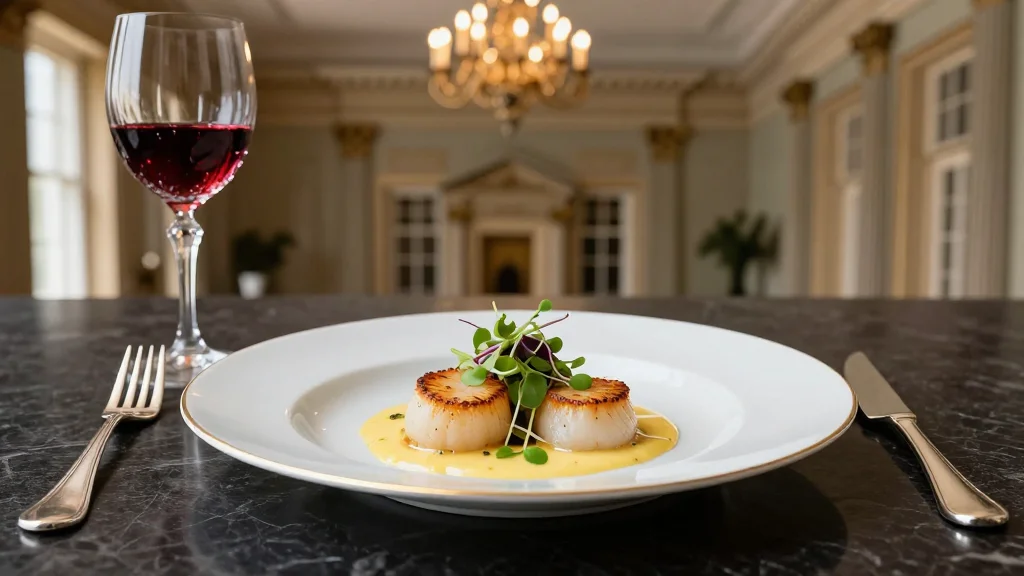
Mount Juliet’s Manor House and Lady Helen Restaurant Reopen After €8 Million ($8.7 M) Renovation

Why It Matters
The €8 million renovation signals a renewed confidence in Ireland’s high‑end tourism market, especially after pandemic‑related disruptions. By preserving heritage architecture while adding modern luxury, Mount Juliet sets a benchmark for how historic estates can remain competitive. The revival of a Michelin‑starred restaurant also strengthens Ireland’s reputation as a culinary destination, potentially attracting international visitors and boosting ancillary sectors such as local food producers and artisans. Furthermore, the project illustrates the economic multiplier effect of hospitality investment: the refurbishment employed local designers, suppliers, and craftsmen, injecting capital into regional supply chains. As luxury travel rebounds, similar upgrades across the country could amplify job creation and reinforce Ireland’s brand as a premium travel locale.
Key Takeaways
- •Mount Juliet invested €8 million ($8.7 million) to restore Manor House and Lady Helen restaurant.
- •Suite count increased from 8 to 24, bringing total accommodation to 31 luxury suites.
- •Interior designer Aisling Healy led the project, emphasizing local Irish artisans.
- •Michelin‑starred Lady Helen resumes its tasting menu under chef John Kelly.
- •Renovation aims to boost luxury tourism, conference business, and regional employment.
Pulse Analysis
Mount Juliet’s refurbishment arrives at a pivotal moment for Irish hospitality. The sector has seen a surge in demand for experiential travel, where guests value authenticity as much as comfort. By marrying Georgian heritage with contemporary design, the estate taps into this demand while differentiating itself from newer, purpose‑built resorts. The decision to invest heavily in a single property reflects a strategic bet that high‑margin, low‑volume luxury offerings can outpace mass‑market recovery.
Historically, Ireland’s luxury hotels have relied on natural assets—golf courses, coastal scenery—to attract affluent visitors. Mount Juliet adds culinary prestige to that mix, leveraging the Michelin star as a marketing lever. This aligns with a global pattern where fine‑dining establishments become anchor attractions for resorts, driving ancillary spend on accommodation, spa services, and events. The estate’s integrated approach—combining upgraded rooms, a top‑tier restaurant, and world‑class sport facilities—creates a self‑reinforcing ecosystem that can sustain higher average daily rates.
Looking forward, the success of this refurbishment will likely influence other historic estates contemplating similar upgrades. If occupancy and revenue targets are met, we may see a wave of heritage‑focused capital projects across Ireland and the broader UK, each seeking to capture the premium segment of post‑pandemic travel. However, the venture also carries risk: luxury demand can be volatile, and the high fixed costs of maintaining historic properties require consistent occupancy. Mount Juliet’s ability to attract international guests, especially from markets like the United States and China, will be a key determinant of the project’s long‑term viability.
Mount Juliet’s Manor House and Lady Helen Restaurant Reopen After €8 Million ($8.7 M) Renovation
Comments
Want to join the conversation?
Loading comments...