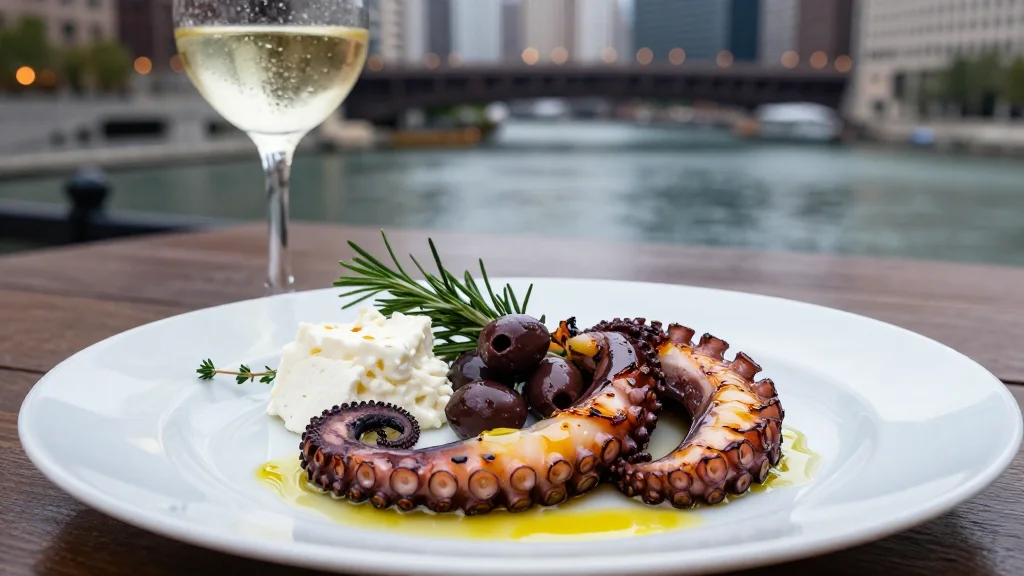
Naia Opens on Chicago Riverfront with 400 Seats of Greek‑Levantine Cuisine

Why It Matters
Naia’s launch diversifies Chicago’s high‑end dining scene by introducing a chef‑driven Greek‑Levantine concept at a scale rarely seen on the riverfront. The restaurant demonstrates that ambitious, infrastructure‑heavy projects can succeed in a post‑COVID market, signaling confidence among investors and operators to revitalize underused urban spaces. Moreover, the venue’s emphasis on Eastern Mediterranean flavors adds cultural depth to the city’s culinary offerings, appealing to diners seeking both novelty and authenticity. The opening also highlights a broader trend of waterfront redevelopment in major U.S. cities, where restaurateurs are leveraging scenic locations to command premium pricing and attract tourism. If Naia proves profitable, it could spur similar large‑scale projects along the Chicago River and beyond, reshaping how urban waterfronts are utilized for hospitality.
Key Takeaways
- •Naia opened June 1, 2024 at 300 N. LaSalle Street
- •12,000‑sq‑ft space with 150 ft of Chicago River frontage
- •400 seats across indoor dining room and riverfront patio
- •Menu created by Top Chef: Greece winner Athinagoras Kostakos
- •Co‑founders Luke Stoioff and David Rekhson of DineAmic led the conversion
Pulse Analysis
Naia’s debut arrives at a moment when Chicago’s dining market is rebounding from pandemic‑induced volatility. The city has seen a surge in boutique concepts, but few have tackled the logistical challenges of a below‑grade, river‑adjacent venue. By investing in costly engineering and a sizable footprint, DineAmic signals that the upside of a premium waterfront experience outweighs the risk. This mirrors a national pattern where operators are betting on experiential dining—scenic views, open‑kitchen concepts, and culturally specific menus—to differentiate in a crowded market.
From a competitive standpoint, Naia enters a space dominated by smaller, hotel‑linked eateries and casual Riverwalk stalls. Its 400‑seat capacity positions it as a destination for larger groups, corporate events, and tourists seeking a full‑service experience. The partnership with Chef Kostakos adds credibility; his reputation from Mykonos and television exposure can draw diners beyond the local base, potentially boosting off‑peak traffic.
Looking forward, the restaurant’s performance will be a barometer for future riverfront investments. If Naia can maintain high table turnover and command premium pricing, developers may revisit other dormant basements and underutilized riverfront parcels. Conversely, operational challenges—such as weather‑related maintenance of the pergola system or the cost of maintaining a large staff—could temper enthusiasm. Either outcome will inform how cities and investors approach the delicate balance between architectural ambition and economic viability in urban waterfront hospitality.
Naia Opens on Chicago Riverfront with 400 Seats of Greek‑Levantine Cuisine
Comments
Want to join the conversation?
Loading comments...