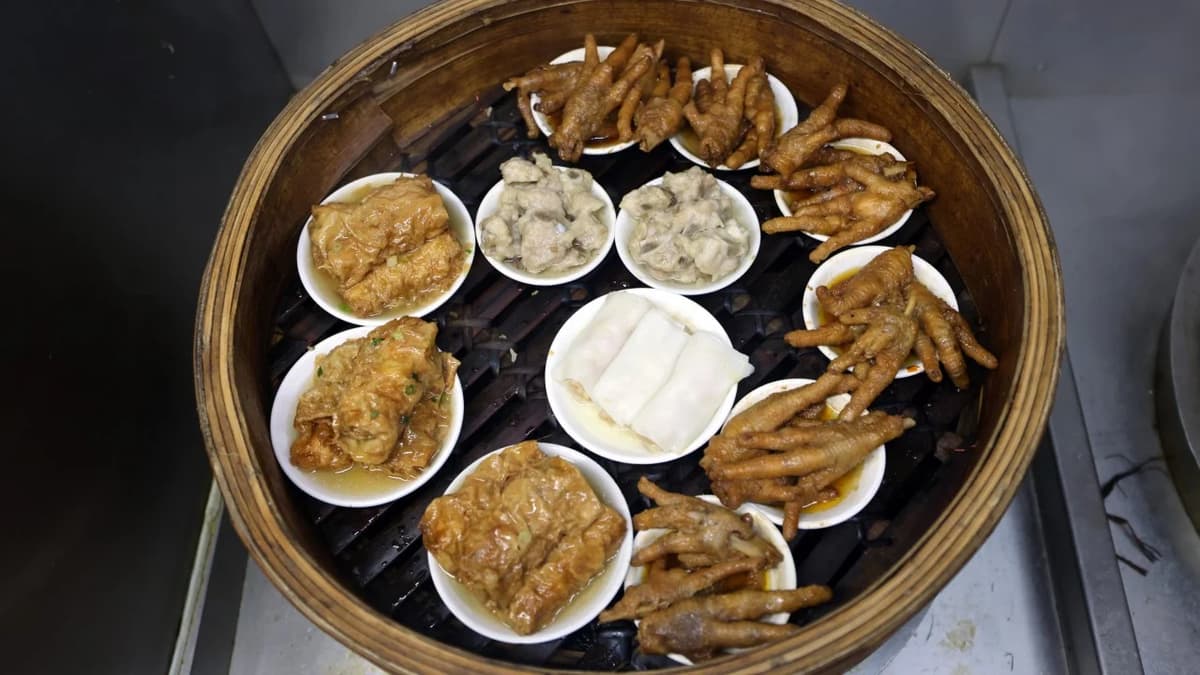
New Guangzhou Rule on Handmade Dim Sum Sparks Debate on Heritage Food in Hong Kong
Why It Matters
The policy forces greater transparency in a culturally iconic food sector, influencing consumer trust and competitive dynamics for restaurants in both mainland China and Hong Kong. It also sets a precedent for heritage‑based food regulations that could reshape industry standards regionally.
Key Takeaways
- •Guangzhou mandates dim sum freshness labeling by May 1.
- •24‑hour freshness window protects intangible heritage.
- •Hong Kong debates voluntary certification versus mandatory labeling.
- •Central kitchens differ from factory‑pre‑made meals, industry says.
- •Talent shortage drives apprenticeships and subsidies for dim sum masters.
Pulse Analysis
The new Guangzhou ordinance reflects a growing trend of governments using heritage protection as a lever to regulate food quality. By tying labeling requirements to a 24‑hour freshness rule, authorities signal that traditional craftsmanship is not merely a marketing hook but a cultural asset worth safeguarding. This move aligns with China’s broader push to codify intangible cultural heritage, offering a template that other regions may emulate as they grapple with the rise of mass‑produced cuisine.
For Hong Kong restaurateurs, the debate centers on balancing authenticity with operational efficiency. Central kitchens, which pre‑process fillings before on‑site assembly, are defended as extensions of the kitchen rather than wholesale industrialization. Yet, without clear labeling, consumers cannot differentiate between genuine handmade dim sum and items assembled from pre‑made components, potentially eroding brand trust. Voluntary certification schemes could provide a middle ground, allowing establishments to showcase craftsmanship while avoiding the administrative burden of mandatory disclosures.
Looking ahead, the regulation could catalyze a regional harmonization of food‑safety standards and heritage preservation policies. Subsidies for master dim sum chefs and apprenticeship programs address the talent bottleneck that has long threatened the craft. Moreover, transparent labeling may enhance Hong Kong’s appeal to culinary tourists seeking authentic experiences, turning a regulatory challenge into a market differentiator. As mainland draft standards evolve, Hong Kong’s response will likely shape the future of morning‑tea culture across the Greater Bay Area.
New Guangzhou rule on handmade dim sum sparks debate on heritage food in Hong Kong
Comments
Want to join the conversation?
Loading comments...