Noma Opens First U.S. Retail Store in Silver Lake Amid Protests

Why It Matters
The opening of Noma Projects in Los Angeles signals a watershed moment for the fine‑dining sector, where iconic kitchens are increasingly leveraging their culinary capital to enter the consumer packaged‑goods market. This shift not only diversifies revenue but also democratizes access to techniques—like fermentation—that were once confined to exclusive tasting menus. At the same time, the protests underscore a growing expectation that celebrated chefs and their brands be held to rigorous labor standards, linking product success to ethical practices. If Noma can sustain sales while addressing the abuse allegations, it may pave the way for other elite restaurants to follow suit, accelerating a trend toward hybrid restaurant‑retail models. Conversely, a backlash could deter similar expansions, reinforcing the importance of workplace transparency as a prerequisite for brand extensions.
Key Takeaways
- •Noma Projects opened its first U.S. store in Silver Lake on April 9, operating Thursday‑Sunday through the summer
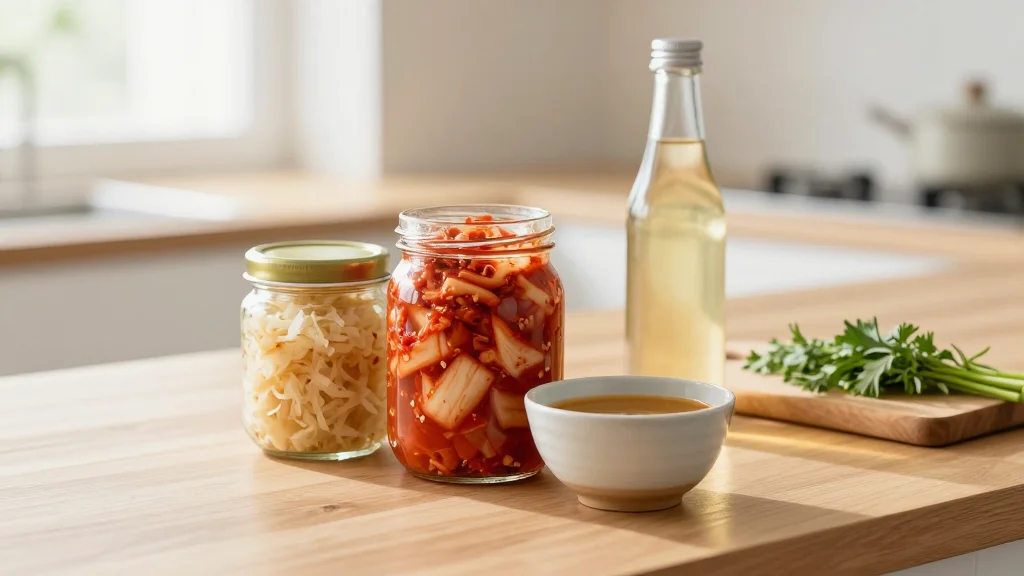
- •The shop sells fermentation‑based pantry items and Los Angeles‑exclusive collaborations
- •Protests erupted outside the store following abuse allegations detailed in a New York Times report
- •Chef René Redzepi announced he is stepping away from day‑to‑day operations and resigned from his nonprofit board
- •The launch reflects a broader trend of fine‑dining brands entering the retail space to diversify revenue
Pulse Analysis
Noma’s entry into retail is both a strategic diversification and a litmus test for the resilience of celebrity‑chef brands under ethical scrutiny. Historically, restaurants have relied on reservation‑driven revenue, but rising labor costs, staffing shortages, and heightened consumer awareness of workplace culture have forced many to explore ancillary income streams. By packaging its fermentation expertise, Noma taps into a growing market for artisanal condiments and specialty ingredients, a segment that has seen double‑digit growth in the past five years.
The timing, however, is fraught. The New York Times exposé and subsequent protests have placed Noma’s brand equity under a microscope. While the retail model can insulate the company from the volatility of table turnover, it cannot fully detach from the chef’s reputation, which remains a core marketing asset. Redzepi’s public statement—"You’ll see me around, but not in the way you’ve seen me around for the past 23 years"—signals an attempt to retain personal brand value while distancing himself from operational controversy. This delicate balance will likely influence investor confidence and partnership opportunities, especially with retailers wary of reputational risk.
Looking ahead, the success of Noma Projects will hinge on three variables: product acceptance, community sentiment, and the outcome of any formal investigations into the alleged abuse. Strong sales could validate the retail‑first approach for other haute cuisine establishments, prompting a wave of boutique pantry lines from chefs worldwide. Conversely, sustained protests or legal repercussions could curtail the momentum, reinforcing the lesson that culinary innovation must be matched by robust, transparent labor practices. The Silver Lake experiment thus serves as a bellwether for the next evolution of the global food‑service ecosystem.
Noma Opens First U.S. Retail Store in Silver Lake Amid Protests
Comments
Want to join the conversation?
Loading comments...