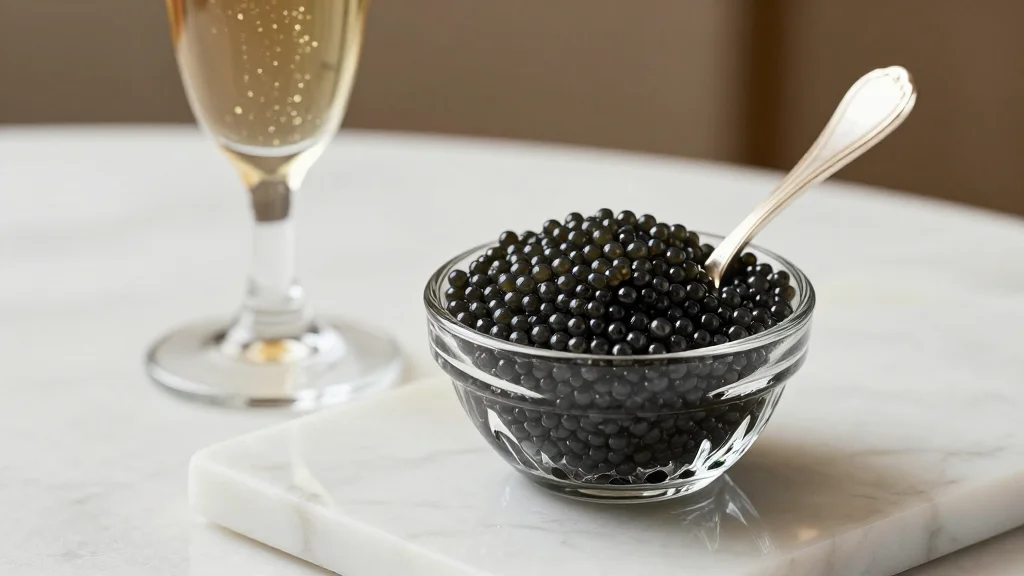
NY Power Dining Goes Casual, Caviar Takes Center Stage, Says Daniel Boulud

Why It Matters
The shift toward casual dining and caviar‑heavy menus reflects a broader transformation in consumer expectations among high‑net‑worth individuals. By prioritizing experience, shareable dishes, and Instagram‑ready luxury foods, restaurants can capture a demographic that values authenticity and social media appeal over traditional pomp. This evolution also pressures legacy establishments to adapt or risk obsolescence, potentially reshaping the competitive landscape of New York’s upscale restaurant sector. Furthermore, the rise of private clubs and mocktail offerings signals diversification in revenue streams. As diners seek exclusive yet relaxed environments, operators who can blend luxury ingredients like caviar with a laid‑back atmosphere may unlock new profit avenues while maintaining the high‑ticket pricing that sustains fine‑dining economics.
Key Takeaways
- •Daniel Boulud says NY power‑dining is becoming more casual and caviar‑centric
- •80% of guests at Boulud’s La Tete d’Or are properly attired despite relaxed dress code
- •Classic bistro resurgence highlighted with venues like Le Veau d’Or
- •Sharing plates and mocktails are growing trends, though wine and cocktail sales stay steady
- •Boulud’s 25th restaurant, Brasserie Boulud, will test the casual‑caviar model
Pulse Analysis
The casual‑caviar pivot marks a strategic response to a generational shift in wealth consumption. Millennials and Gen Z executives, who now dominate the upper echelons of finance and tech, favor experiences that are both Instagrammable and less rigid than the formal dining rituals of their predecessors. By foregrounding caviar—a universally recognized luxury—restaurants can maintain an aura of exclusivity while shedding the intimidating trappings of white‑tie service.
Historically, New York’s elite dining scene has cycled through phases of opulence and restraint. The 1990s saw the rise of ultra‑formal establishments, while the 2010s introduced a wave of minimalist, farm‑to‑table concepts. Boulud’s observation suggests we are entering a hybrid era where luxury ingredients coexist with relaxed ambience. This hybridization could democratize high‑end dining, allowing a broader cohort of affluent diners to partake without the fear of breaching etiquette.
Looking ahead, the success of Brasserie Boulud will likely influence whether other marquee chefs double‑down on the casual‑caviar formula or revert to more traditional fine‑dining models. If the model proves profitable, we may see a proliferation of upscale venues that prioritize shareable luxury dishes, flexible dress codes, and curated social‑media moments—ultimately redefining what it means to dine powerfully in New York.
NY Power Dining Goes Casual, Caviar Takes Center Stage, Says Daniel Boulud
Comments
Want to join the conversation?
Loading comments...