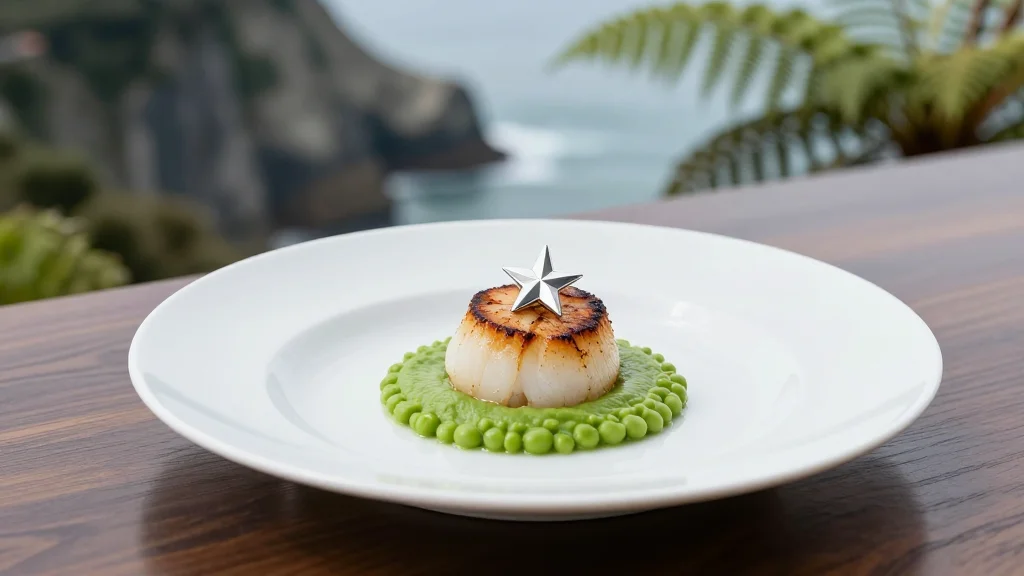
NZICC Hosts New Zealand's First Michelin Guide Ceremony in Auckland

Companies Mentioned
Why It Matters
The inaugural Michelin Guide ceremony places New Zealand on the global fine‑dining map, offering a new benchmark for culinary excellence that can attract international tourists, investors and talent. By aligning with the Michelin brand, Auckland strengthens its reputation as a world‑class events hub, potentially boosting hotel occupancy, airline traffic and ancillary spending across the hospitality sector. Moreover, the ceremony sparks a dialogue about preserving New Zealand’s distinctive food identity while meeting the exacting standards of a European‑origin rating system, a tension that will shape menu innovation and cultural storytelling in the years ahead. For chefs and restaurateurs, Michelin recognition can translate into higher reservation demand, premium pricing power and access to global supply networks. Conversely, the pressure to earn stars may drive operational costs and shift focus toward traditional fine‑dining formats, challenging businesses that have built success on casual, locally rooted concepts. The outcome will influence how New Zealand balances commercial growth with the preservation of its unique culinary heritage.
Key Takeaways
- •June 30: NZICC hosts New Zealand's first Michelin Guide ceremony in Auckland.
- •Event gathers top chefs, restaurateurs and hospitality leaders to celebrate the guide's arrival.
- •Prue Daly (NZICC GM) and Ian Love (Director of Operations) highlighted the ceremony's significance for the venue and the nation.
- •Michelin's entry is expected to boost culinary tourism, potentially adding 12 % to inbound travel spend.
- •First star ratings are slated for release later in 2026, setting a new benchmark for New Zealand restaurants.
Pulse Analysis
The launch of the Michelin Guide in New Zealand arrives at a pivotal moment for the country's food sector. Historically, Michelin has acted as a catalyst for market expansion: cities like Tokyo and San Francisco saw restaurant revenues surge after receiving stars, and tourism boards leveraged the accolade in promotional campaigns. Auckland, already a regional hub for conferences and cultural festivals, can now market itself as a Michelin destination, attracting high‑spending diners who travel specifically for acclaimed culinary experiences.
However, the guide's European roots pose a cultural dilemma. New Zealand's recent culinary narrative has been defined by a fusion of Māori ingredients and Pacific flavors, a story that resonates with both locals and adventurous tourists. If Michelin's criteria prioritize classic French techniques and service formalities, some chefs may feel compelled to adjust their concepts, risking a dilution of the very authenticity that earned them international attention. The industry will need to negotiate a balance—leveraging the prestige and economic upside of Michelin while safeguarding the distinctiveness of Aotearoa's food identity.
Looking ahead, the ripple effects will extend beyond restaurants. Suppliers of native produce, boutique wineries, and boutique hotels stand to benefit from increased demand driven by star‑seeking diners. Conversely, labor markets may tighten as restaurants compete for skilled staff capable of delivering Michelin‑level service. Policymakers and tourism officials should consider supportive measures—such as training programs and marketing incentives—to ensure the benefits are broadly distributed. In sum, the ceremony is more than a symbolic first step; it is a strategic inflection point that could reshape New Zealand's culinary ecosystem for a decade.
NZICC Hosts New Zealand's First Michelin Guide Ceremony in Auckland
Comments
Want to join the conversation?
Loading comments...