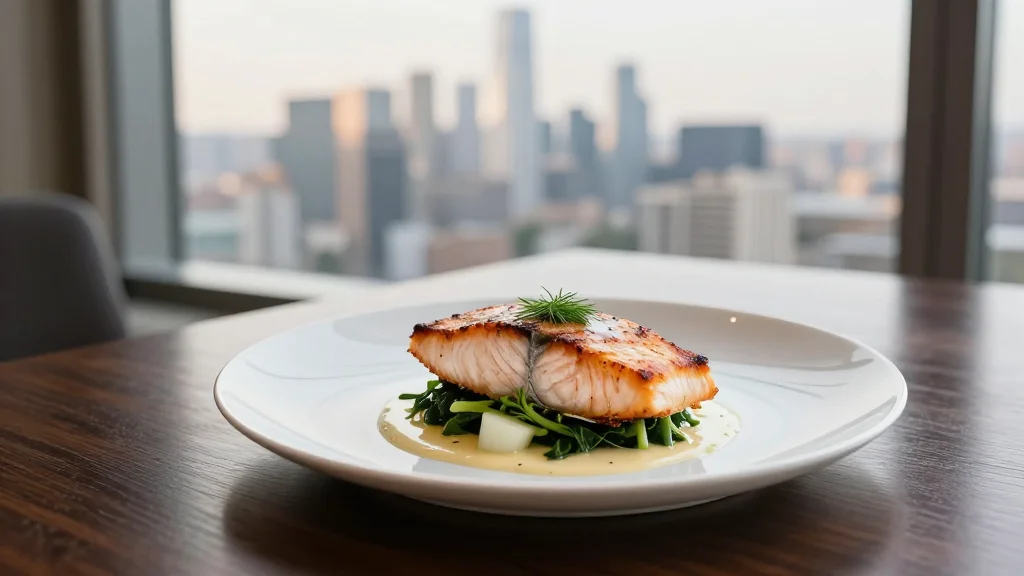
Old Tower Redefines Beijing Fine Dining with Nordic‑Chinese Fusion

Why It Matters
Old Tower’s fusion of Nordic methods with northern Chinese ingredients challenges entrenched notions of what Chinese fine dining can be, opening doors for sustainable sourcing and regional diversity. By elevating under‑used produce, the restaurant not only supports rural supply chains but also positions Beijing as a laboratory for culinary innovation, influencing both domestic chefs and international gastronomic observers. The restaurant’s success may accelerate a broader movement toward ingredient‑centric menus that prioritize terroir over spectacle, reshaping consumer expectations and prompting investors to back concept‑driven eateries. In a market where luxury is often equated with tradition, Old Tower demonstrates that modernity and heritage can coexist profitably, potentially redefining the business model for high‑end Chinese restaurants.
Key Takeaways
- •Old Tower opened in September 2025 in Sanlitun, Beijing.
- •Chef Talib Hudda, a Canadian trained in Copenhagen, leads the kitchen.
- •Menu focuses on northern Chinese ingredients, presented with Nordic techniques.
- •Signature dishes include yellow corn chawanmushi with conch and a macaroni‑and‑cheese‑style ‘kao lao lao’ with 36‑month‑aged Comté.
- •Hudda’s earlier restaurant Refer was the first Beijing venue on Asia’s 50 Best Restaurants list.
Pulse Analysis
Old Tower exemplifies a new breed of Chinese fine‑dining establishments that prioritize ingredient provenance and cross‑cultural technique over the grandiose banquet formats of the past. This pivot mirrors a global trend where chefs use hyper‑local sourcing to tell stories about place, climate and culture, appealing to diners who seek authenticity tempered with novelty. Hudda’s background—trained in the Nordic culinary capitals of Copenhagen and then immersed in Chinese regional cuisines—gives him a unique lens to reinterpret northern Chinese staples, turning them into dishes that feel both avant‑garde and rooted.
From a market perspective, the restaurant’s model is financially savvy. By sourcing from rural farms and fisheries, Old Tower can negotiate lower input costs while differentiating itself in a saturated luxury market. The pescatarian focus also aligns with rising consumer health consciousness and sustainability concerns, potentially expanding its appeal beyond traditional fine‑dining patrons to a younger, eco‑aware demographic. Investors watching Beijing’s hospitality sector may view this as a proof point that high‑margin, concept‑driven venues can thrive alongside the city’s retail megastructures.
Looking ahead, Old Tower’s success could catalyze a wave of similar ventures, prompting culinary schools and incubators in China to emphasize regional ingredient studies and international technique training. If other chefs adopt this hybrid approach, Beijing could evolve into a global hub for innovative Chinese cuisine, challenging the dominance of established culinary capitals and reshaping the narrative of Chinese food on the world stage.
Old Tower Redefines Beijing Fine Dining with Nordic‑Chinese Fusion
Comments
Want to join the conversation?
Loading comments...