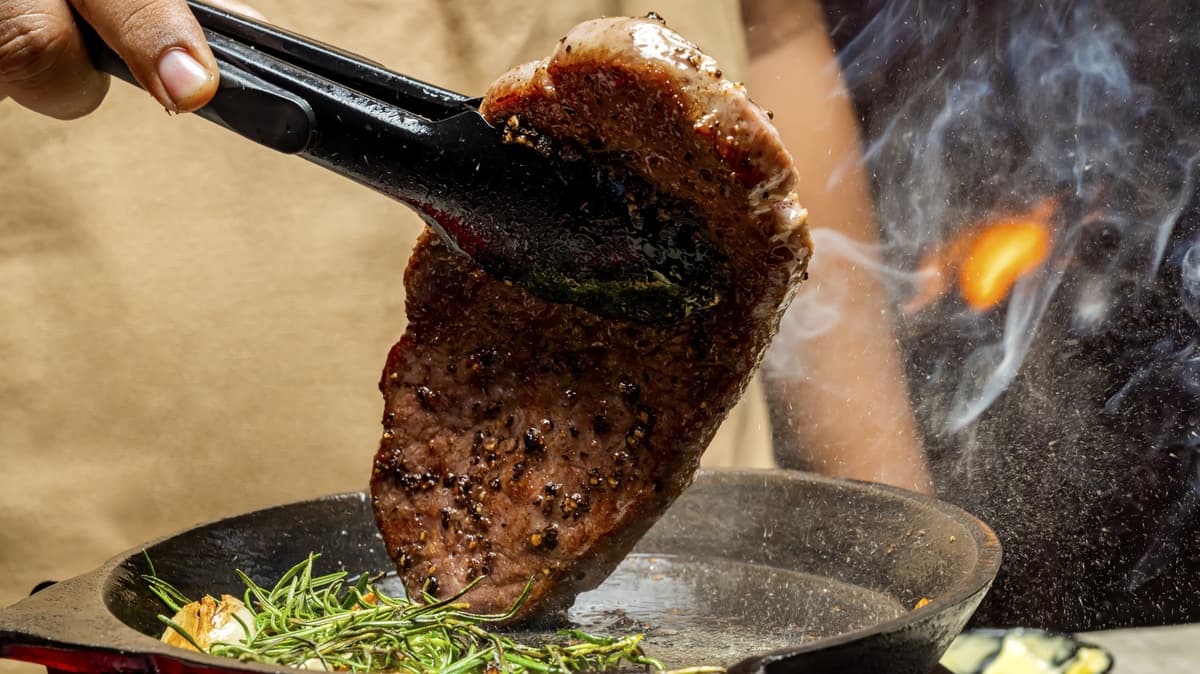
Olive Oil Or Butter? Here's Which Fat Is Best For A Flavorful Steak
Why It Matters
Choosing the right cooking fat maximizes steak flavor while minimizing smoke and unhealthy compounds, a concern for both restaurants and home chefs seeking consistent, health‑conscious results.
Key Takeaways
- •Chef recommends high‑smoke oil for searing, then finish with butter
- •Avocado, grapeseed, and canola oils stay neutral, preserving steak flavor
- •Butter burns above 300°F, adding bitterness and smoke
- •Heart‑healthy oils like olive or avocado lower LDL cholesterol
Pulse Analysis
The debate over olive oil versus butter for steak often overlooks the science of smoke points. High‑smoke oils such as avocado, grapeseed, and canola can withstand temperatures above 400 °F, allowing a deep Maillard reaction without breaking down into acrid compounds. By searing in a neutral‑flavored oil, chefs preserve the beef’s intrinsic taste, then introduce butter at the end to impart richness without risking the bitter, burnt notes that occur when butter’s milk solids exceed 300 °F. This two‑step method balances flavor development with kitchen safety.
Beyond flavor, the choice of fat influences nutritional outcomes. While butter delivers saturated fat and a distinct buttery aroma, it also contributes to higher cholesterol intake and can generate harmful oxidation products when overheated. In contrast, monounsaturated and polyunsaturated oils—especially olive and avocado—provide heart‑healthy fats that help lower LDL cholesterol and reduce inflammation. Their neutral profiles mean they won’t mask the steak’s natural umami, making them ideal for health‑conscious diners who still crave a restaurant‑quality sear.
Industry trends reflect this culinary shift. Upscale steakhouses increasingly list avocado or grapeseed oil in their prep sheets, citing both performance and consumer demand for cleaner, lower‑saturated‑fat cooking methods. Home cooks, guided by food‑media personalities, are also adopting the high‑smoke‑oil‑first, butter‑last technique to achieve restaurant‑level results without excessive smoke or off‑flavors. As diners prioritize taste, health, and kitchen comfort, mastering the right fat sequence becomes a key skill for any steak enthusiast.
Olive Oil Or Butter? Here's Which Fat Is Best For A Flavorful Steak
Comments
Want to join the conversation?
Loading comments...